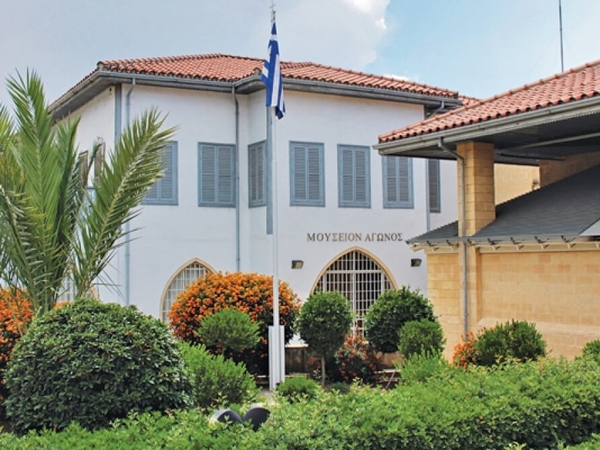
Indonesian Minister of Culture Fadli Zon emphasized the importance of enhancing the role of museums as educational tools for the nation's history during his visit to the Yogyakarta Struggle Museum. Zon explained that the museum offers a rich educational experience for young people by presenting the country's history in an interactive and easily understandable manner.
Zon pointed out that the museum reflects the nation's struggle, starting from the establishment of the Budi Utomo movement to the declaration of independence, making it an ideal place to teach new generations about their history.
Event Details
During his visit, Zon expressed his admiration for the content displayed in the museum, which includes a collection of artifacts and dioramas that narrate the story of the national struggle. He confirmed that Yogyakarta plays a pivotal role in Indonesian history, having been the capital of the country in 1946 and witnessing significant historical events, such as the Dutch military aggression.
Zon also noted that the museum, which was established at the initiative of Sultan Hamengkubuwono IX in 1958, aims to commemorate the 50th anniversary of the nation's revival. The construction of the museum was completed in 1961, featuring a circular design and containing 40 historical scenes.
Background & Context
The history of Indonesia is filled with significant events that have shaped its national identity. From Dutch colonialism to independence, there have been many milestones worthy of documentation and learning. Museums play a vital role in preserving this history and transmitting it to future generations.
Museums in Indonesia are an essential part of the national culture, providing a platform for interaction between history and society. By enhancing historical education, museums can contribute to building a strong national identity among the youth.
Impact & Consequences
The Minister of Culture's visit to the Yogyakarta Struggle Museum is an important step towards enhancing historical awareness among the youth. By presenting the nation's history in an interactive manner, museums can play a role in shaping public opinion and fostering national pride.
If museums can attract more visitors, especially from the youth, this will contribute to enhancing the collective understanding of history and underscore the importance of historical education in society.
Regional Significance
Indonesia's experience in enhancing the role of museums as educational tools can serve as a model for Arab countries. Many Arab nations suffer from a lack of historical awareness among the youth, necessitating the enhancement of museums as educational and cultural platforms.
Arab countries can benefit from Indonesia's experiences in developing their museums and improving the ways history is presented in an interactive and engaging manner, thereby contributing to the enhancement of national identity and cultural pride.