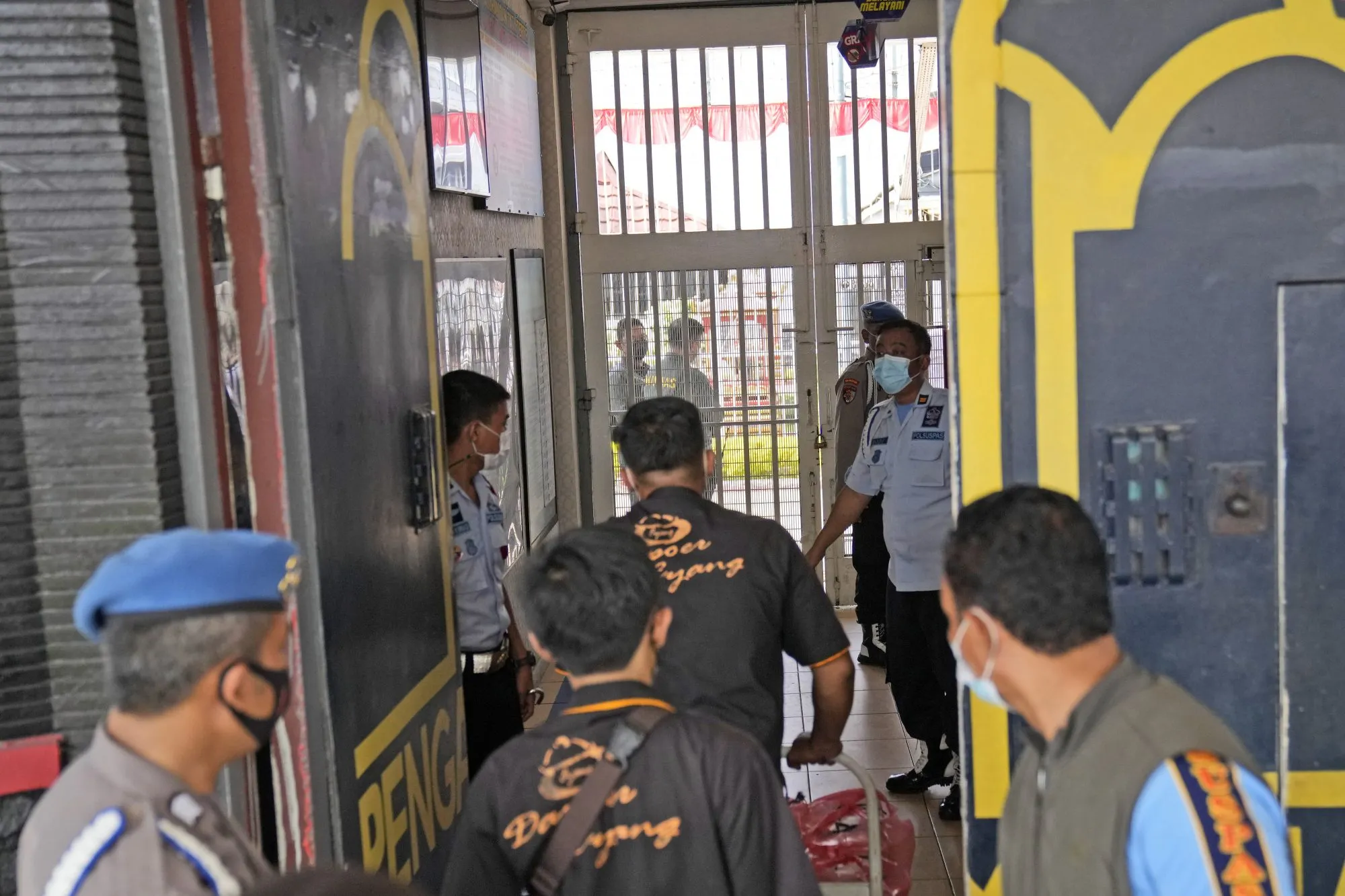
In a move aimed at improving inmate conditions, Indonesian parliament member Tony Tesar has called for the enhancement of facilities at the women's prison in Jayapura, including the provision of drinking water through the drilling of new wells. These remarks were made during his visit to the institution, where he stressed the necessity of improving services provided to inmates.
During the visit, Tesar expressed the importance of enhancing cooperation among different sectors to support the improvement of services in the prison system. He also extended congratulations on the occasion of the 62nd Prison Service Day, praising the efforts of workers in this sector.
Details of the Event
Tesar pointed out that improving basic facilities, such as providing drinking water, is vital to ensure the safety and comfort of inmates. He emphasized that correctional institutions should serve as places that contribute to the rehabilitation of inmates rather than merely serving as punishment.
He also added that there are future plans to provide additional sports facilities, which will contribute to enhancing the physical and mental health of inmates, as well as developing their skills.
Background & Context
Indonesia is one of the countries facing significant challenges in its penal system, with many prisons suffering from overcrowding and resource shortages. Historically, there have been numerous calls to improve prison conditions, but progress has been slow.
The Indonesian government seeks to enhance the criminal justice system by focusing on rehabilitation, aligning with international human rights standards. These steps are part of broader efforts to reform the judicial system in the country.
Impact & Consequences
Improving prison facilities can have a positive impact on society as a whole. Inmates who receive quality education and training are more likely to successfully reintegrate into society after their release, thereby reducing crime rates.
Moreover, providing a healthy and safe environment for inmates can help reduce stress and conflicts within prisons, leading to an overall improvement in the atmosphere of correctional institutions.
Regional Significance
Human rights issues and judicial reform are significant concerns in many Arab countries. Indonesia's experience in improving prison conditions can serve as a model for the region.
Many Arab nations are striving to enhance their criminal justice systems, making it essential to share successful experiences and practices in this field.
In conclusion, improving prison facilities in Indonesia is a positive step towards promoting human rights, and other countries should learn from this experience.