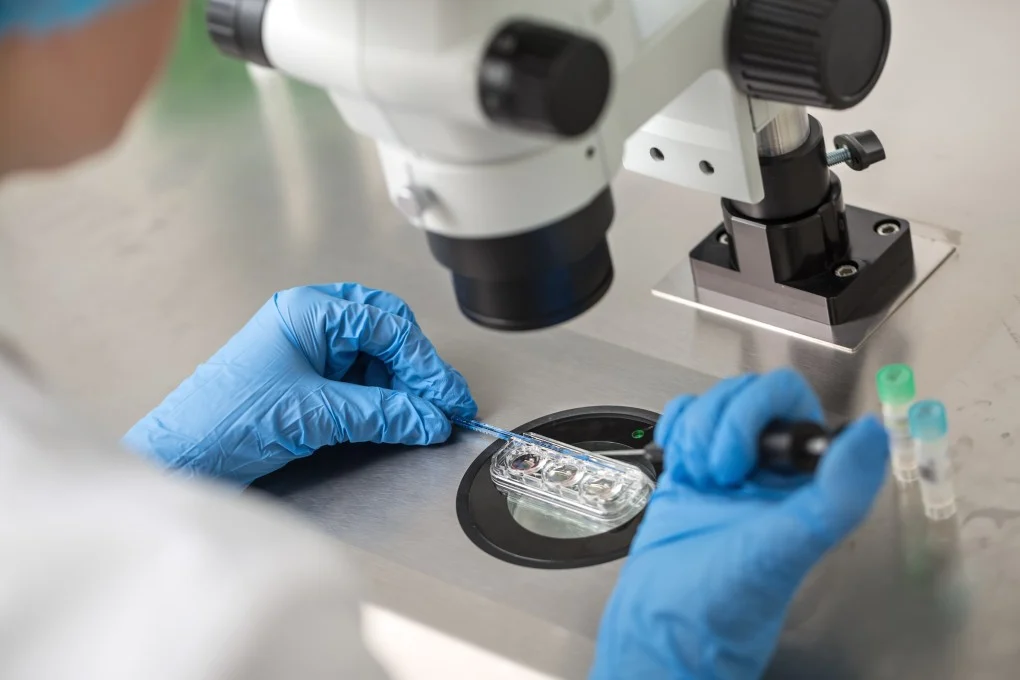
Hangzhou Diagens Biotechnology is striving to enhance its profit growth through AI-supported chromosome testing after its listing in Hong Kong. This initiative comes in light of the declining fertility rate in China and the rising demand for assisted reproductive services. The company's founder and CEO, Song Ning, confirmed that many young people in China are reluctant to marry or have children, and when they decide to start a family, they require medical assistance to achieve that.
The company is working to meet the needs of a growing number of couples facing infertility challenges, as these cases increase annually. Song points out that social and economic trends in China play a significant role in this shift, opening the door for innovations in the biotechnology sector.
Event Details
Hangzhou Diagens is considered one of the leading biotechnology companies in China and has listed its shares in Hong Kong as part of its strategy for expansion and growth. The company relies on artificial intelligence technologies to improve the accuracy of chromosome tests, facilitating the identification of potential genetic issues in embryos. This innovation can contribute to increasing the success rate of assisted reproductive procedures.
Infertility cases in China are significantly rising, with statistics indicating that about 15% of couples face reproductive issues. This is attributed to several factors, including economic and social pressures, as well as lifestyle changes. This makes services like those offered by Diagens more crucial than ever.
Background & Context
Historically, China has witnessed significant changes in its demographic structure, with a notable decline in the fertility rate in recent years. According to reports, the fertility rate in China has dropped to below 1.3 children per woman, which is far below the rate required to maintain population stability. This decline reflects changes in social values, as marriage and childbearing have become lower priorities for many young people.
In recent years, the Chinese government has taken steps to boost the fertility rate, including offering financial incentives for couples who have children. However, many social and economic factors continue to hinder these efforts, increasing the demand for assisted reproductive services.
Impact & Consequences
Innovations in biotechnology, such as AI-supported chromosome testing, are an important step towards improving couples' chances of conception. These technologies are expected to increase the success rates of assisted reproductive procedures, contributing to enhancing the quality of life for families facing infertility challenges.
Moreover, these innovations could lead to increased investments in the biotechnology sector in China, reinforcing the country's position as a global hub for innovation in this field. As the demand for assisted reproductive services grows, companies like Diagens may witness significant profit growth.
Regional Significance
In the Arab region, many countries also face similar challenges regarding fertility rates and infertility. Although fertility rates in some Arab countries remain high, there is a rising incidence of infertility, opening the door for innovations in assisted reproduction. Arab countries could benefit from China's experiences in this field by enhancing their investments in biotechnology and developing assisted reproductive services.
In conclusion, the use of AI-supported chromosome testing represents a significant step towards improving couples' chances of conception and reflects the changing social and economic trends in China. With the increasing demand for assisted reproductive services, these innovations could serve as a model for other regions, including the Arab world.