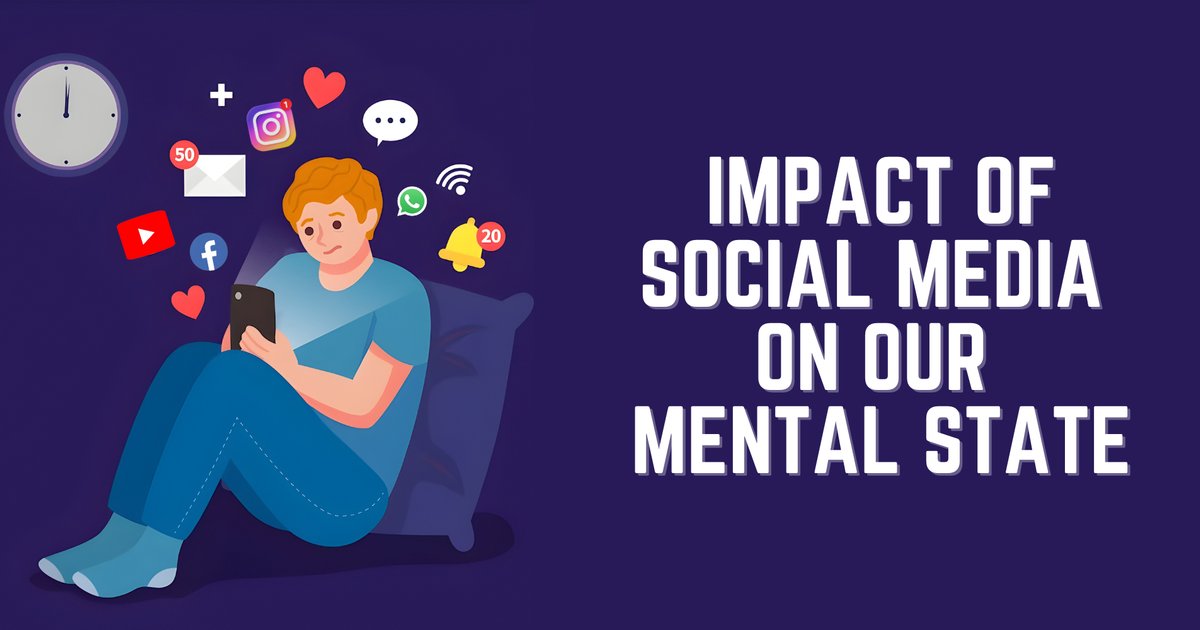
With the widespread prevalence of social media, several experts have warned that the continuous stimulation individuals receive through these platforms may adversely affect their mental health. This was highlighted in an article published in 'Le Monde', where specialists stressed the importance of taking steps to protect children and adolescents from this growing phenomenon.
The experts pointed out that humans are not equipped to handle continuous stimulation, which can lead to psychological issues such as anxiety and depression. They expressed concern that these platforms contribute to creating an unhealthy environment for children, who are exposed to content that may be harmful during sensitive stages of their development.
Details of the Event
The article emphasized that continuous stimulation through notifications and repeated updates can lead to a state of mental distraction and an inability to concentrate. Researchers noted that this type of stimulation is entirely different from the natural activities humans need, such as direct social interaction or physical exercise.
It was also underscored that stricter controls are necessary to protect the youth from the negative effects of these platforms, including setting usage times and providing safe, age-appropriate content.
Background & Context
Social media has become an integral part of many people's lives today, allowing individuals to communicate and share ideas and information. However, excessive use of these platforms can lead to negative effects, as many studies have shown. Research has indicated that overuse of social media can increase feelings of loneliness and isolation.
Historically, societies have witnessed significant changes in how communication and social interaction occur, and with the advent of the internet, these dynamics have changed radically. However, the new challenges arising from excessive use of these platforms require an effective response from governments and communities.
Impact & Consequences
The effects of continuous stimulation extend beyond individual dimensions to society as a whole. Studies have shown that increased anxiety and depression among youth can lead to lower academic performance and higher suicide rates. These phenomena require policymakers to take urgent steps to protect the youth.
There is also an urgent need to raise awareness among parents and teachers about how to deal with these phenomena and provide appropriate psychological support for the youth. Collaboration between various sectors, including education and health, is essential to develop effective strategies.
Regional Significance
In the Arab region, where the use of social media among youth is increasing, these warnings gain particular importance. Arab youth represent a large segment of the population, and there must be clear strategies to protect them from negative influences.
Enhancing awareness about the safe use of social media can improve the mental health of the youth, contributing to building healthier and more stable communities. Local and international initiatives should support this trend.
In light of the increasing challenges posed by social media, we must be aware of its effects on our mental health. It is essential to take effective steps to protect the youth and ensure a healthy environment for them.