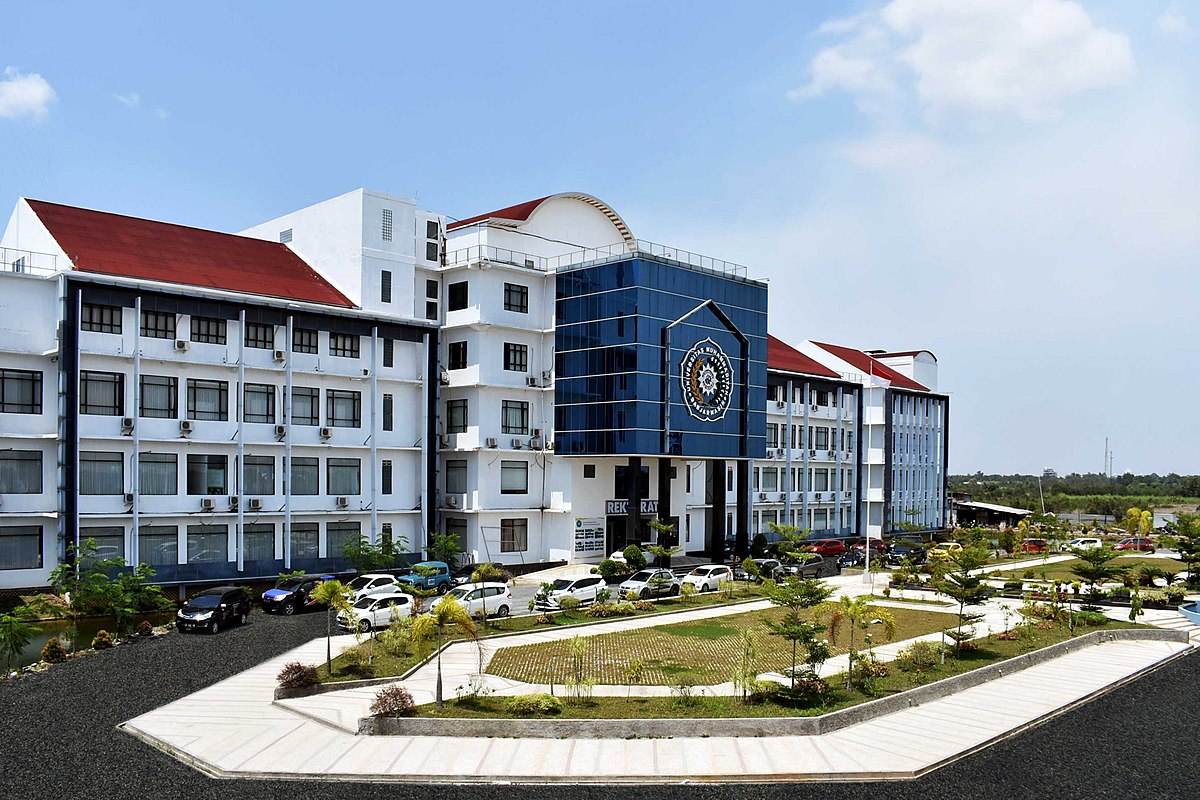
Lambung Mangkurat University (ULM) in Indonesia has partnered with the Canadian organization Pueblo Science, a nonprofit aimed at enhancing education in the sciences. This collaboration seeks to improve programming skills among students and teachers through robotics applications, contributing to the overall quality of education in the country.
The partnership includes organizing training courses targeting education college students and school teachers, focusing on experiential curriculum design. Dyasi Arisanti, the Deputy Dean of the Faculty of Education, emphasized that this initiative responds to the requirements of the 2026 Curriculum, which mandates the enhancement of skills in science, technology, engineering, and mathematics (STEM) education.
Event Details
During the training, students from natural sciences and computer science disciplines were introduced to robotics teaching methods. A group of teachers from various regions in Indonesia was selected to participate in these courses, with training provided by a team of international trainers from Pueblo Science, including Mayros Salvador, the executive director of the organization.
This initiative aims to address existing gaps in educational quality, particularly in schools that suffer from a lack of resources and facilities. By offering a flexible and easily applicable educational model, the project leaders hope to enhance the learning experience for both students and teachers.
Background & Context
Indonesia is one of the countries striving to improve its educational system, especially in the fields of science and technology. With the increasing reliance on technology in education, it has become essential to equip students with the necessary skills to face future challenges. Studies have shown an urgent need to develop curricula that include programming and robotics skills.
Historically, there have been multiple efforts to enhance education in Indonesia, but gaps in resources and opportunities still persist. Therefore, collaboration with international organizations like Pueblo Science represents a significant step toward achieving sustainable education goals.
Impact & Consequences
This collaboration is expected to enhance the skills of students and teachers in STEM fields, opening new horizons for innovation and creativity in education. Improving the quality of education in Indonesia can positively impact the country's economic and social development.
Moreover, enhancing programming and robotics skills can contribute to preparing a new generation of leaders and innovators capable of tackling global challenges. Thus, this collaboration represents an opportunity to strengthen education in Indonesia and achieve sustainable development.
Regional Significance
Many Arab countries are also seeking to improve their educational systems by integrating technology and innovation into their curricula. Indonesia's experience in collaborating with international organizations can serve as a model for the region, where Arab nations can benefit from these experiences to enhance youth skills in STEM fields.
In conclusion, this partnership between Lambung Mangkurat University and Pueblo Science marks an important step toward improving education in Indonesia and could have positive effects at the regional level as a whole.