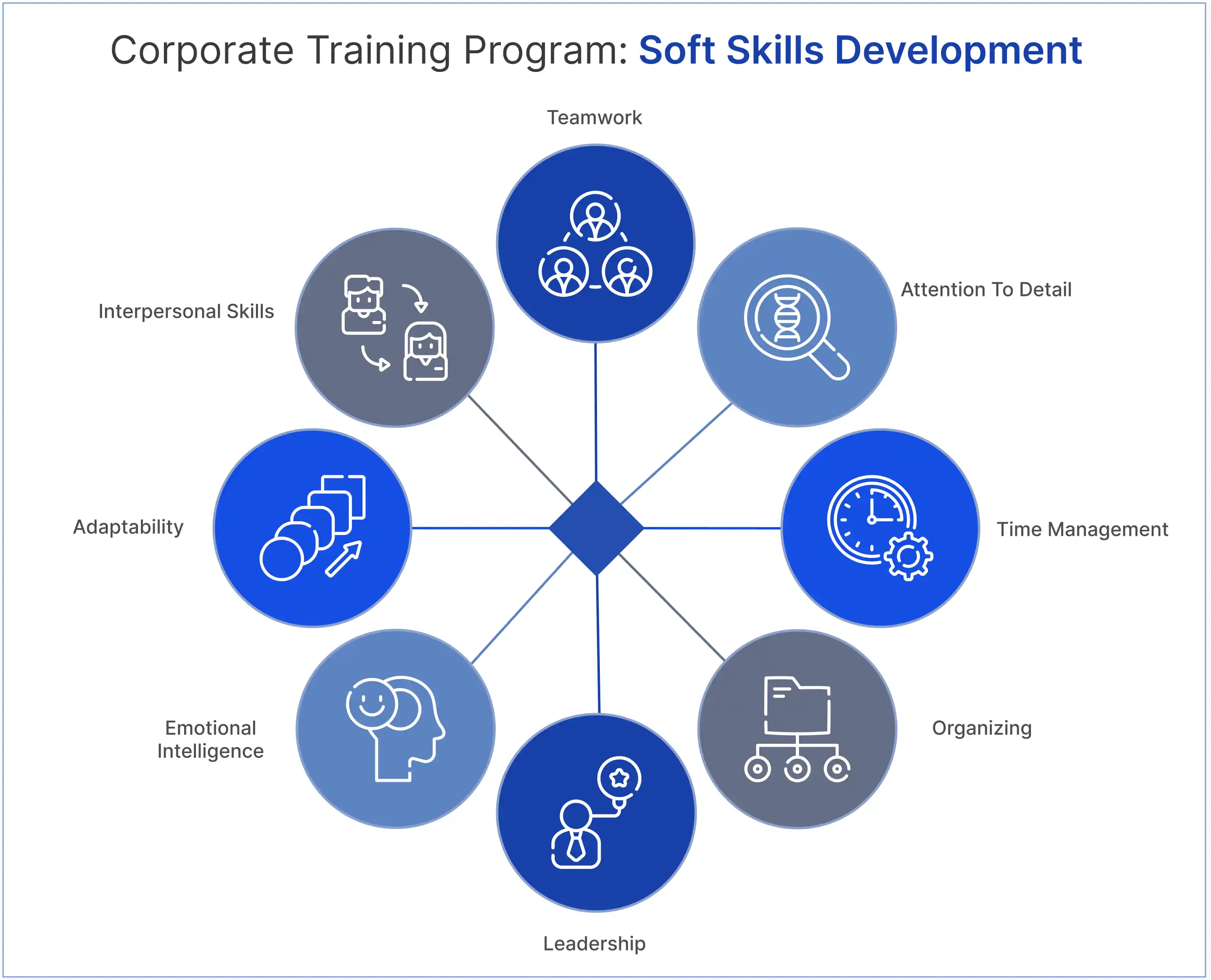
In a fast-evolving work landscape, it has become essential for employees to continuously develop their skills and abilities. This development is not limited to technical skills; it also encompasses personal and managerial skills that enhance job performance.
There are various ways employees can enhance their skills, ranging from training courses and workshops to self-education through online platforms. Engaging in new projects and collaborating with colleagues can significantly contribute to acquiring new skills.
Importance of Skill Development
The importance of skill development is increasing in light of the rapid changes in the job market. According to recent reports, companies that support their employees in skill development experience increases in productivity and innovation. Therefore, an employee who seeks to develop themselves contributes to strengthening their position in the job market.
For instance, employees can benefit from training programs offered by companies or even seek educational opportunities outside of work. Participation in conferences and seminars is also an effective means of exchanging knowledge and experiences with others in the field.
Background & Context
In recent years, many Arab countries have witnessed economic and social transformations that require individuals to develop their skills to keep pace with these changes. With the increasing reliance on technology, it has become essential for employees to effectively use digital tools.
Governments in some countries are striving to enhance education and vocational training as part of sustainable development strategies. These efforts aim to improve competency levels in the job market and increase available job opportunities.
Impact & Consequences
Skill development not only reflects on the individual but also impacts the institutions they work for. Companies that invest in training their employees witness improvements in overall performance, leading to better financial results and increased competitiveness.
Moreover, employees who develop their skills become more adaptable to changes in the work environment, enhancing their job stability and reducing the risks of job loss during economic crises.
Regional Significance
The Arab region is in dire need of developing its workforce skills, especially in light of the economic and social challenges it faces. Enhancing employee skills can contribute to achieving sustainable development and strengthen countries' ability to face future challenges.
Additionally, skill development can help reduce unemployment rates, as individuals become more qualified for available jobs in the market. Thus, investing in skill development is an investment in the future of upcoming generations.
In conclusion, employees must recognize the importance of developing their skills and abilities as part of their professional strategy. Continuous learning is the key to success in the changing world of work.