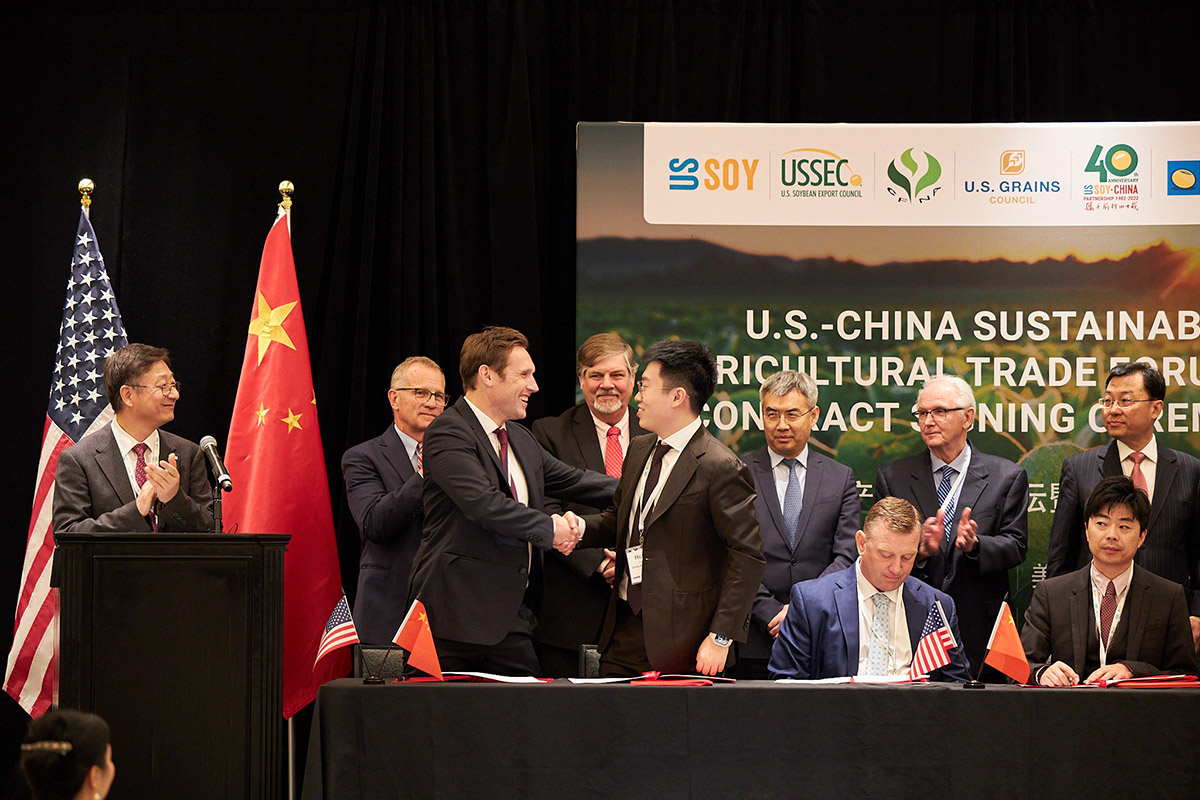
The spotlight is on the ongoing talks between the United States and China as both nations seek to enhance trade in the fields of agriculture and energy. These discussions come at a critical time, emphasizing the importance of these sectors in the economic relations between the two superpowers.
In her statements, Lizzy Galbraith, a political economy expert at Aberdeen, confirmed that these discussions could lead to significant market changes, pointing out that agriculture and energy are fundamental elements that determine the course of trade relations between the two countries.
Details of the Discussions
The current discussions between the United States and China encompass several aspects related to expanding trade in agricultural goods and oil. The United States aims to increase its agricultural exports to China, which is one of the largest global markets. In return, China is looking to secure the energy supplies necessary to meet its growing needs.
These talks are part of broader efforts to enhance cooperation between the two countries across multiple fields, as both face internal and external economic challenges. Additionally, these discussions occur at a time when the global economy is experiencing significant fluctuations, which increases the importance of stability in trade relations between the world's two largest economies.
Historical Context and Background
Historically, US-China relations have experienced numerous fluctuations, influenced by trade and political tensions. In recent years, there have been multiple attempts to improve relations, especially following a period of trade disputes that affected the global economy. Agriculture and energy are areas that can contribute to building bridges of cooperation between the two nations.
In past years, China has heavily relied on imports from the United States in agriculture, such as soybeans and wheat. Conversely, the United States is one of the largest importers of oil from China, making these sectors pivotal in bilateral relations.
Consequences and Market Impact
These talks could lead to significant changes in the market, potentially alleviating economic pressures on both countries. If an agreement is reached, it could result in increased investments in the agricultural and energy sectors, positively impacting the global economy.
Moreover, these developments may influence commodity prices in global markets, necessitating close monitoring by investors and decision-makers. Strengthening cooperation in these areas could also contribute to improving political relations between the two countries, potentially leading to greater stability in the global economic system.
Impact on the Arab Region
The Arab region stands to be a potential beneficiary from the strengthening of trade relations between the United States and China. Many Arab countries rely on oil and gas exports, so any changes in global energy policy could impact their economies. Additionally, enhancing agricultural trade could open new avenues for cooperation between Arab nations and the United States.
In light of these developments, Arab countries should closely monitor these discussions, as they may influence their economic and trade strategies in the future.