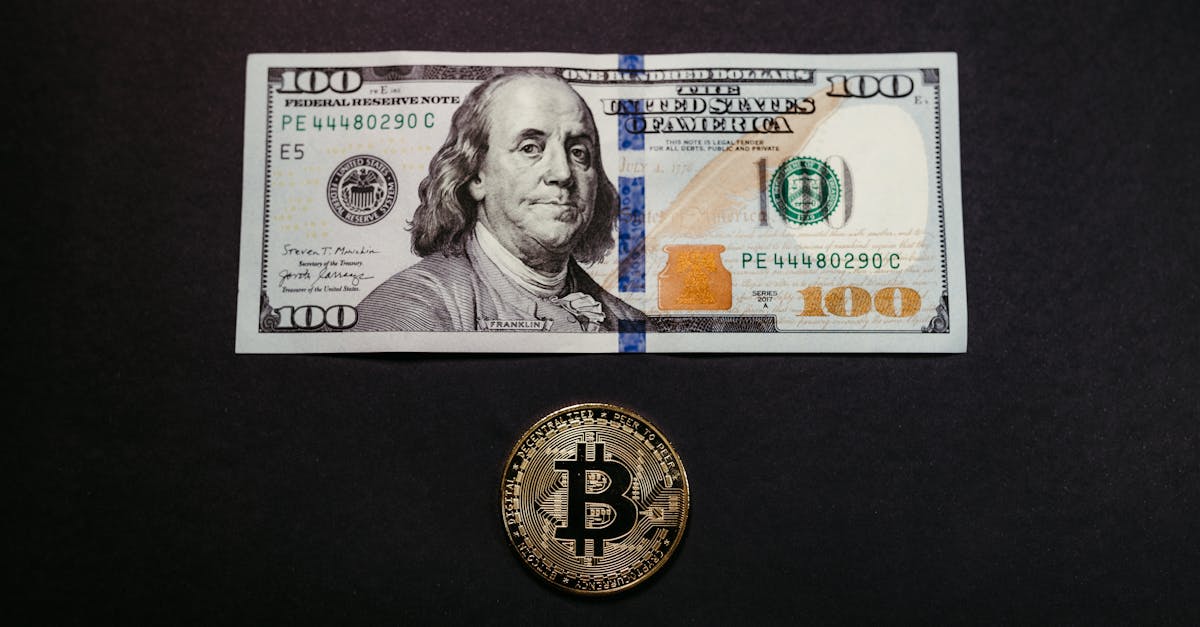
In a new episode of the Odd Lots podcast, journalist Brendan Greely, who is currently pursuing a PhD in financial history, delves into the concept of the dollar and its role in the global economy. Greely asserts that the dollar is not merely an American currency; it has deep historical roots that extend beyond the United States, making it a pivotal element in the global financial system.
Greely pointed out that the dollar began as a means of trade but evolved into a global reserve currency. This transformation was not solely a result of American policies but stemmed from complex economic and cultural interactions worldwide.
Event Details
Greely discussed how the dollar influences other economies, explaining that many countries rely on the dollar for their trade and financial transactions. This reliance grants the dollar significant power and influence, positioning the United States favorably in the global economic arena.
He also addressed the impact of historical events such as wars and economic crises on the dollar's value, and how these events have contributed to shaping the dollar's image as a global currency. For instance, after World War II, the dollar became the primary currency in international trade, enhancing its strength and influence.
Background & Context
The history of the dollar dates back to the 18th century when it was used as currency in the American colonies. Over time, the dollar became a symbol of American economic power. In 1944, the dollar was adopted as a global reserve currency during the Bretton Woods Conference, further solidifying its position in the international financial system.
The history of the dollar also reflects the economic and political transformations the world has undergone. By studying the evolution of the dollar, one can understand how American economic policies affect other nations and how these policies can lead to changes in the global financial system.
Impact & Consequences
The dollar's influence extends worldwide, with many countries depending on it for their trade transactions. This reliance makes the dollar a strategically important currency, as any fluctuations in its value can significantly impact the global economy.
Moreover, the strength of the dollar affects the monetary policies of other nations. Countries that rely on the dollar may find themselves compelled to adjust their economic policies based on dollar fluctuations, making them susceptible to external influences.
Regional Significance
In the Arab region, the dollar is a key currency in international trade, with many countries relying on it for importing goods and services. This dependence makes it crucial for Arab nations to monitor dollar movements and their effects on their economies.
Additionally, dollar fluctuations impact oil prices, which are among the most important economic resources for Arab countries. Therefore, understanding the history and significance of the dollar can aid Arab nations in making more informed economic decisions.
In conclusion, the dollar represents more than just a currency; it is a symbol of economic power and global influence. Understanding its history and impact can help countries navigate current and future economic challenges.