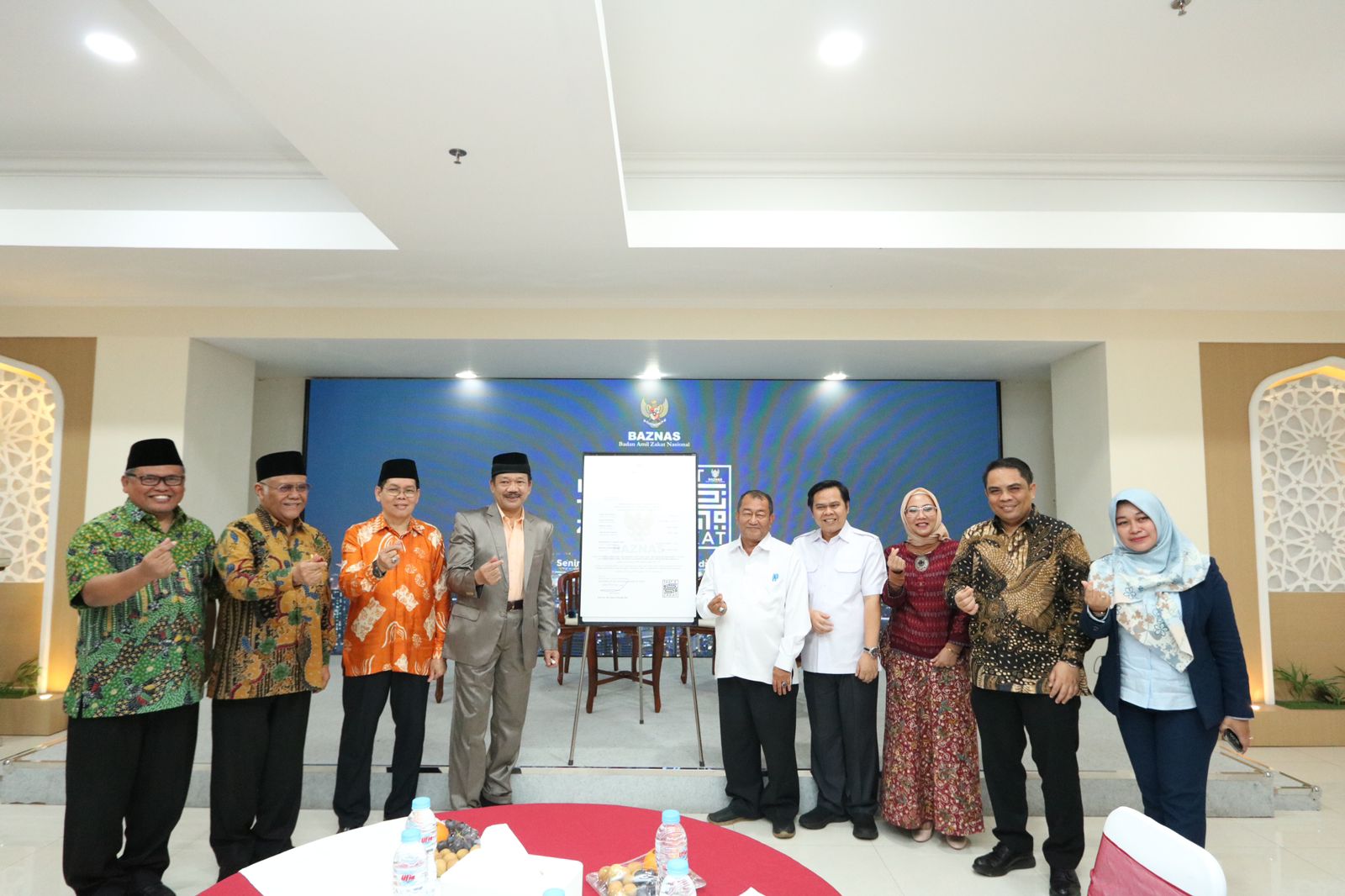
In a significant move to bolster the rural economy, Badan Amil Zakat Nasional (Baznas) of Indonesia has partnered with the Ministry of Development to enhance zakat programs across thousands of villages in Indonesia. This initiative comes at a time when many remote areas are struggling with limited economic resources, necessitating effective interventions to improve living conditions.
Sodik Mujahid, the head of Baznas, emphasized that this partnership will utilize the 'Zakat Village' model implemented in the Siamis region, where residents have shown considerable awareness of the importance of zakat. He also noted that the Sering area will be the next region to witness development in this context.
Event Details
The programs to be implemented include the formation of zakat collection units in villages, a vital step to harness local potentials. Additionally, the initiatives will involve the development of productive projects such as livestock farming and the strengthening of agricultural cooperatives, contributing to the enhancement of the local economy.
These programs are expected to improve the living standards of residents by providing new job opportunities and increasing income. Baznas will work to integrate these programs with the extensive data and networks held by the ministry, thereby enhancing the effectiveness of these initiatives.
Background & Context
Zakat is one of the fundamental pillars of Islam and plays a significant role in supporting impoverished communities. In Indonesia, where many people live in remote areas, zakat can be an effective means of improving living conditions. Historically, zakat has been used to support the poor and needy, but as society evolves, it has become essential to integrate it into economic development strategies.
The Indonesian government aims to enhance living standards in villages through comprehensive development programs, and collaboration with Baznas is part of this strategy. By raising awareness of the importance of zakat, positive social and economic outcomes can be achieved.
Impact & Consequences
This collaboration is expected to have a significant impact on rural communities, contributing to the creation of an independent economic environment. The establishment of zakat collection units will enable communities to manage their resources more effectively, enhancing their ability to face economic challenges.
Moreover, this initiative will raise awareness of zakat's importance as a development tool, potentially encouraging more individuals to contribute to supporting their communities. If these programs succeed, they could serve as a model for other countries facing similar economic issues.
Regional Significance
This initiative serves as a model for the Arab world, where Arab countries could benefit from similar experiences in promoting zakat as a means to support economic development. In many Arab nations, zakat plays a crucial role in aiding the poor, but integrating it into sustainable development strategies could be beneficial.
In conclusion, the collaboration between Baznas and the Ministry of Development represents an important step towards improving living conditions in Indonesian villages and could have a positive impact on local communities. Enhancing awareness of zakat as a development tool can open new avenues for improving living standards in many nations.