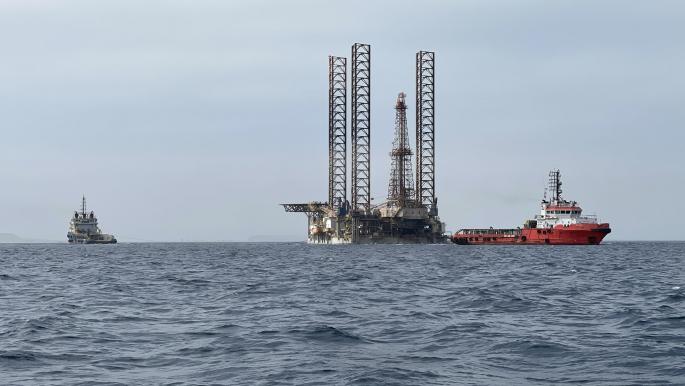
Italian energy group Eni has revealed a new gas and condensate discovery off the coast of Egypt, where two trillion cubic feet of gas were found after drilling the exploration well Denis W-1 in the Timsah concession, located in the eastern Mediterranean. This discovery comes at a critical time for Egypt, which is striving to enhance its status as a major energy source in the region.
This discovery is a significant step in Eni's efforts to boost its investments in the energy sector in Egypt, as the country is considered one of the promising markets for natural gas. It reflects Eni's commitment to expanding its operations in the Mediterranean region, which is witnessing increased activity in exploration and production.
Details of the Discovery
The Denis W-1 well was drilled in the Timsah area, known for its rich hydrocarbon resources. This discovery is part of Eni's strategy to broaden its operations in Egypt, as the company aims to increase its natural gas production amid rising energy demand.
This announcement follows a series of successful discoveries made by Eni in recent years, reinforcing Egypt's position as a key player in the natural gas market. This discovery is expected to contribute to an increase in gas production in the country, enabling it to meet local needs and export to foreign markets.
Background & Context
Egypt is one of the leading countries in natural gas production in the region, having witnessed a notable increase in investments in this sector in recent years. New discoveries have enhanced the country's capacity to meet its energy needs while also strengthening its position as a major gas supplier in global markets.
This discovery aligns with the Egyptian government's efforts to develop the energy sector, as it seeks to attract more foreign investments and enhance partnerships with global companies. Natural gas is one of the primary energy sources in Egypt, making these discoveries strategically important for the Egyptian economy.
Impact & Consequences
This discovery is expected to have a significant impact on the Egyptian economy, contributing to increased state revenues from gas exports. Additionally, the rise in gas production will help meet local market demands, reducing reliance on imports.
Furthermore, this discovery could open new avenues for cooperation between Egypt and neighboring countries in the energy sector, thereby enhancing economic stability in the region. Increased gas production may also improve living conditions for citizens by providing energy at affordable prices.
Regional Significance
Eni's gas discovery off the coast of Egypt is a notable event in the context of regional competition for energy resources. Enhancing gas production in Egypt could affect gas markets in the region, potentially leading to changes in supply and demand dynamics.
This discovery may also bolster Egypt's role as a regional energy hub, contributing to enhanced cooperation among Arab countries in the energy sector. Such collaboration is expected to improve energy security in the region, benefiting all involved nations.
In conclusion, Eni's gas discovery off the coast of Egypt marks an important step toward strengthening the country's position in the global energy market and reflects the commitment of global companies to invest in this vital sector.