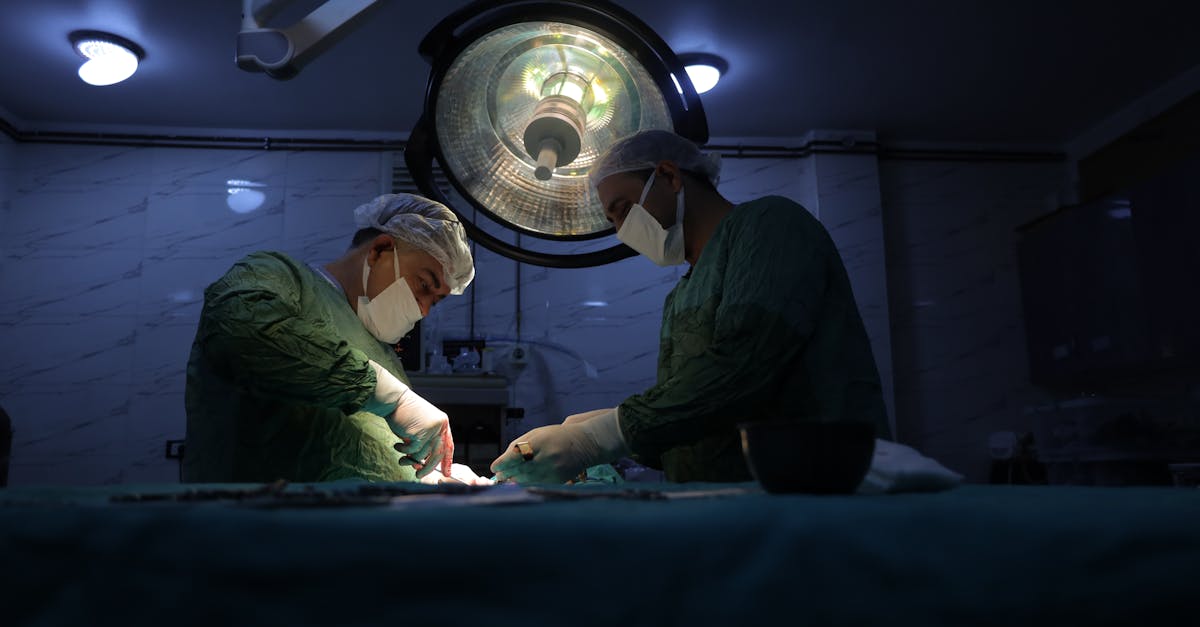
Health efforts continue during the Hajj season to ensure the safety of pilgrims and provide necessary care. These efforts include comprehensive medical services in the holy sites, where hospitals and health centers are equipped with the latest equipment and trained medical staff.
The health services during Hajj are among the most significant factors contributing to the success of this major religious event. Health care is provided to pilgrims from various nationalities, reflecting the Kingdom of Saudi Arabia's commitment to offering the best services to the guests of Allah.
Event Details
The Saudi Ministry of Health works to provide all necessary capabilities to deliver integrated health services during the Hajj season. These services include medical examinations, emergency treatment, and first aid. Specialized medical teams have also been designated to monitor the health status of pilgrims and provide necessary support in emergencies.
Additionally, hospitals in Mecca and Medina have been prepared to receive pilgrims, including intensive care units, emergency departments, and specialized doctors in various medical fields.
Background & Context
Historically, health services for Hajj have seen significant development over the years. The Kingdom has been improving these services for decades, which has contributed to reducing health risks associated with Hajj. A health command and control center has also been established to monitor the health status of pilgrims daily.
The number of pilgrims increases annually, necessitating continuous development of health services. In recent years, modern technology has been utilized in providing health services, such as smartphone applications that help pilgrims easily access health centers.
Impact & Consequences
The health services provided during Hajj directly affect the health and safety of pilgrims. The more advanced and effective the health services are, the greater the chances for pilgrims to perform their rituals safely and securely. These efforts also reflect a positive image of the Kingdom and its role in serving pilgrims.
These services also contribute to enhancing religious tourism, as pilgrims feel reassured knowing that necessary health care is available. This, in turn, strengthens the Kingdom's position as a major center for Hajj and Umrah.
Regional Significance
The health services during Hajj serve as a model for other Arab and Islamic countries. Other nations can benefit from the Saudi experience in organizing health services during major events. Furthermore, cooperation among countries in the field of public health can contribute to improving the services provided to pilgrims.
The Kingdom is always striving to enhance these services, reflecting its commitment to providing the best possible care for the guests of Allah. This strengthens the ties between Islamic countries and embodies the values of cooperation and solidarity.
In conclusion, health services during Hajj remain a fundamental aspect of ensuring the safety of pilgrims, and the efforts made by the Kingdom of Saudi Arabia reflect its commitment to providing the best services. Improving these services is an important step towards enhancing the Hajj experience and providing a healthy and safe environment for pilgrims.