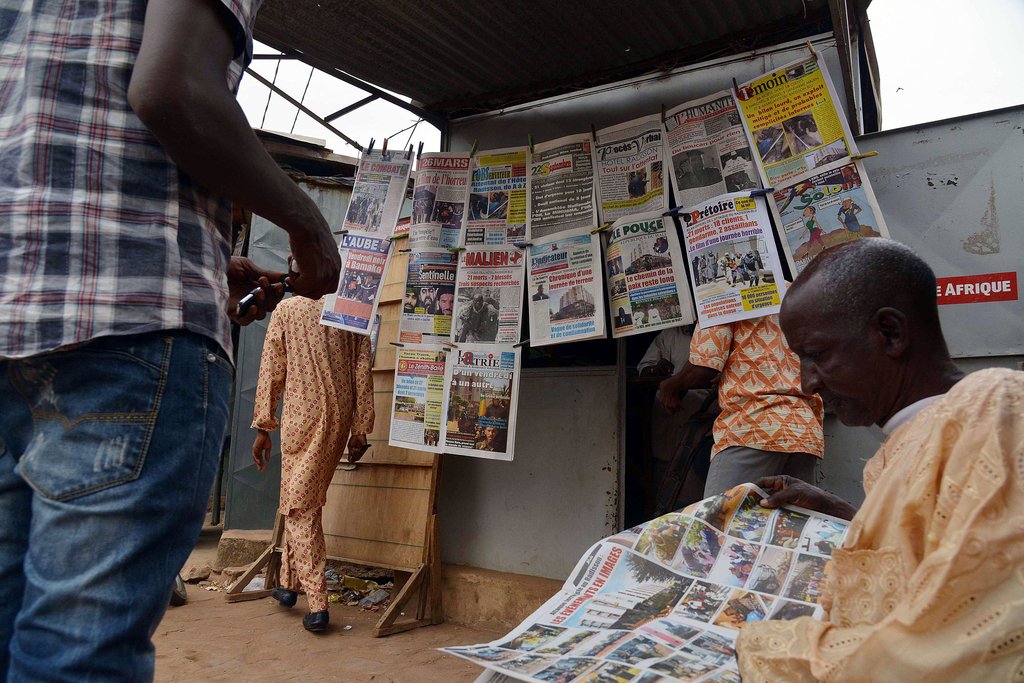
On Saturday, the capital of Mali, Bamako, witnessed a series of attacks that marked a significant escalation in the ongoing conflict in the Sahel region. The International Crisis Group reported that these attacks reflect a strategic shift by armed groups, which have increasingly begun to target major urban centers in the country.
The attacks in Bamako come at a sensitive time as the Malian government seeks to bolster security and stability within the nation. These incidents resulted in several casualties, further complicating the security situation in the area.
Details of the Attacks
The details surrounding the attacks in Bamako are numerous, as armed groups targeted several vital locations, leading to panic among the residents. Advanced weaponry was utilized in these assaults, indicating that the armed groups may have received greater logistical support than previously anticipated.
These attacks are part of a broader strategy adopted by armed groups in the Sahel region, aiming to expand their operations to include major cities, which signifies a shift in the nature of the conflict from remote areas to urban centers.
Background & Context
Since 2012, Mali has seen an increase in armed activities, with extremist groups emerging in the northern part of the country following a military coup. As tensions escalated, these groups began to expand their operations to include southern regions, exacerbating the security situation.
Historically, armed groups focused on rural and remote areas, but the current shift towards targeting major cities reflects an evolution in their strategies, as they seek to exert greater influence over the government and society.
Impact & Consequences
The International Crisis Group anticipates that these attacks will heighten tensions between the government and armed groups, potentially hindering peace and stability efforts in the country. Furthermore, the escalation of violence may worsen humanitarian conditions, placing civilians at an increasing risk.
Additionally, these developments could impact international relations, as neighboring countries may need to reassess their security strategies to address the rising threats from armed groups.
Regional Significance
The situation in Mali serves as an indicator of the security challenges facing the Sahel region, which could affect the stability of neighboring countries. The rise in violence in Mali may also evoke memories of security crises in other nations such as Libya and Syria, where armed activities have surged in recent years.
Ultimately, the international community must unite to confront these security challenges and work towards supporting peace and stability efforts in Mali and the Sahel region as a whole.