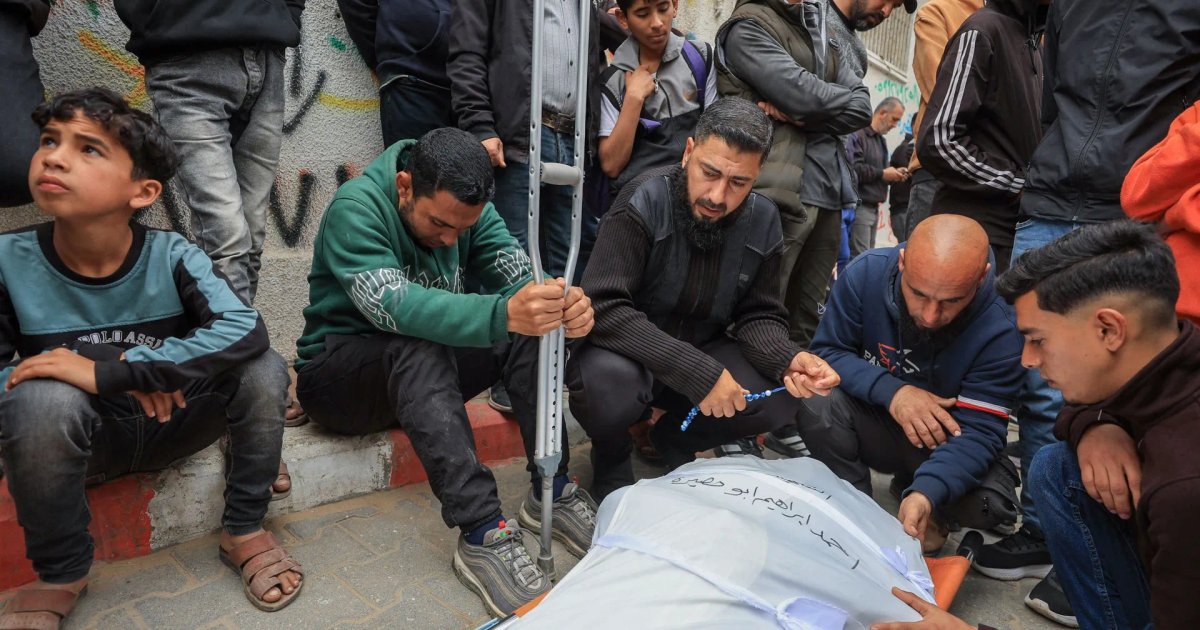
Gaza is experiencing a dangerous escalation with intensive Israeli airstrikes targeting civilians, raising questions about Prime Minister Benjamin Netanyahu's motivations to keep the front active. Recent attacks have resulted in the deaths of 13 Palestinians, including children, reflecting an unprecedented increase in assaults on the territory.
The Israeli airstrikes targeted a police vehicle in the Mawasi area of Khan Younis, resulting in the deaths of 8 individuals, including a child. Additionally, a woman and her two children were killed due to artillery shelling that targeted homes near Kamal Adwan Hospital in northern Gaza. In another attack, an Israeli aircraft targeted another police vehicle in Gaza City, leading to the deaths of 2 people and injuring others.
Details of the Incident
These developments come at a time when international pressure on Israel to halt military operations in Gaza is increasing. Analysts believe that these targeted attacks are part of an Israeli strategy aimed at disrupting any path to calm, placing the situation in Gaza at a critical juncture. Political analyst Ahmed Al-Tanani reported that targeting police personnel reflects a clear Israeli desire to spread chaos and undermine civil stability.
Al-Tanani also noted that the occupation seeks to justify these operations through flimsy security pretexts, making Gaza an unlivable environment and forcing residents into displacement options. The occupation has exploited these operations to expand its field control, now commanding over 60% of the territory.
Background & Context
Historically, Gaza has witnessed repeated escalations in the Israeli-Palestinian conflict, with military operations intensifying at certain times. Currently, it seems that Netanyahu relies on the continuation of war as a guarantee for his political survival, especially amid internal and external pressures. Researcher Mohannad Mustafa indicated that the Israeli government refuses to calm any front, whether in Gaza, Lebanon, or Iran, reflecting its strategy of maintaining a state of instability.
Conversely, some circles within the U.S. administration hold the view that the stalemate in Gaza is due to Hamas's obstinacy regarding disarmament. Strategic analyst Adolfo Franco points out that the second phase of any agreement requires the entry of international forces and disarmament, complicating the situation further.
Impact & Consequences
These events underscore that the situation in Gaza may head towards further escalation, potentially exacerbating humanitarian conditions. This escalation also reflects the inability of the involved parties to reach an agreement that achieves stability. Al-Tanani noted that the occupation has not adhered to the terms of previous agreements, with humanitarian aid entering Gaza not exceeding 40% of what was agreed upon.
This escalation could have serious regional implications, potentially heightening tensions between Israel and Arab countries. Furthermore, the continuation of military operations may hinder any diplomatic efforts aimed at achieving peace in the region.
Regional Significance
The events in Gaza have significant implications for the Arab region, as they reflect the ongoing Israeli-Palestinian conflict as one of the most pressing issues affecting regional stability. These escalations may increase popular support for resistance movements, complicating peace efforts. Additionally, the continued deteriorating humanitarian conditions in Gaza could provoke strong international reactions, potentially pressuring the international community to intervene.
In conclusion, the situation in Gaza remains complex, intertwining political, military, and humanitarian factors, necessitating urgent international efforts to reach sustainable solutions.