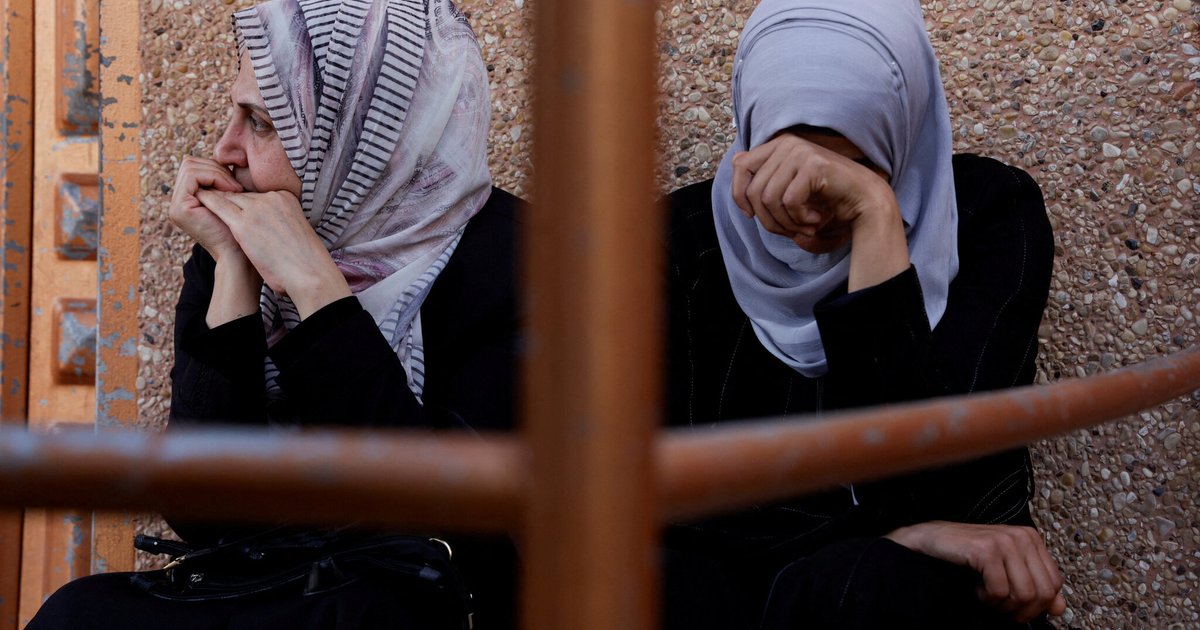
In a special statement to "Al-Quds Al-Arabi," Dr. Ismail Thawabteh pointed out that documented field data confirms that the past few days have witnessed an unprecedented escalation in crimes committed by Israeli occupation forces against civilians in the Gaza Strip. He explained that these attacks are no longer mere "isolated incidents" but rather part of a systematic strategy that deliberately targets civilians.
The occupation forces continue to carry out intense attacks, targeting populated areas and shelters, resulting in a significant number of casualties and injuries. These actions come at a time when the sector is suffering from a severe humanitarian crisis, with hospitals lacking essential resources to treat the injured.
Details of the Events
According to reports, recent attacks have focused on densely populated areas, leading to the destruction of numerous homes and infrastructure. Thawabteh noted that these attacks coincide with a rise in Israeli political rhetoric justifying the excessive use of force against Palestinians.
Thawabteh also emphasized that the situation in Gaza requires urgent international action to stop these violations, stressing the importance of pressuring the occupation to comply with international laws and human rights.
Background & Context
Historically, the Gaza Strip has witnessed escalations in hostilities between the Israeli occupation and Palestinian factions, especially amid recurring political crises. Since 2007, the sector has been under a suffocating blockade that has significantly affected the daily lives of its residents, exacerbating the humanitarian situation.
Concerns are growing that the current escalation could lead to a new round of violence, especially in the absence of a political horizon for resolving the conflict. Recent years have seen several rounds of escalation, complicating the humanitarian situation in the region further.
Impact & Consequences
The recent escalation in Gaza has serious implications for security and stability in the region. As the number of civilian casualties rises, pressure mounts on the international community to act. These conditions may also exacerbate humanitarian crises, necessitating an urgent response from humanitarian organizations.
Additionally, these events could affect relations between Arab countries and Israel, as calls for solidarity with the Palestinian people and rejection of Israeli violations increase. Such circumstances may revive discussions about Palestinian rights in international forums.
Regional Significance
The events in Gaza are part of the Israeli-Palestinian conflict that impacts regional security. With increasing assaults, fears are rising regarding escalating tensions in neighboring countries like Lebanon and Jordan, where many Palestinian refugees reside.
These conditions may also influence the domestic policies of Arab countries, as public pressure mounts to support the Palestinian cause. Under these circumstances, it becomes essential for Arab nations to adopt effective policies to address the humanitarian crises in Gaza.
In conclusion, the situation in Gaza requires urgent action from the international community to ensure the protection of civilians and to end the escalation. The continuation of these violations will only worsen the humanitarian situation and increase tensions in the region.