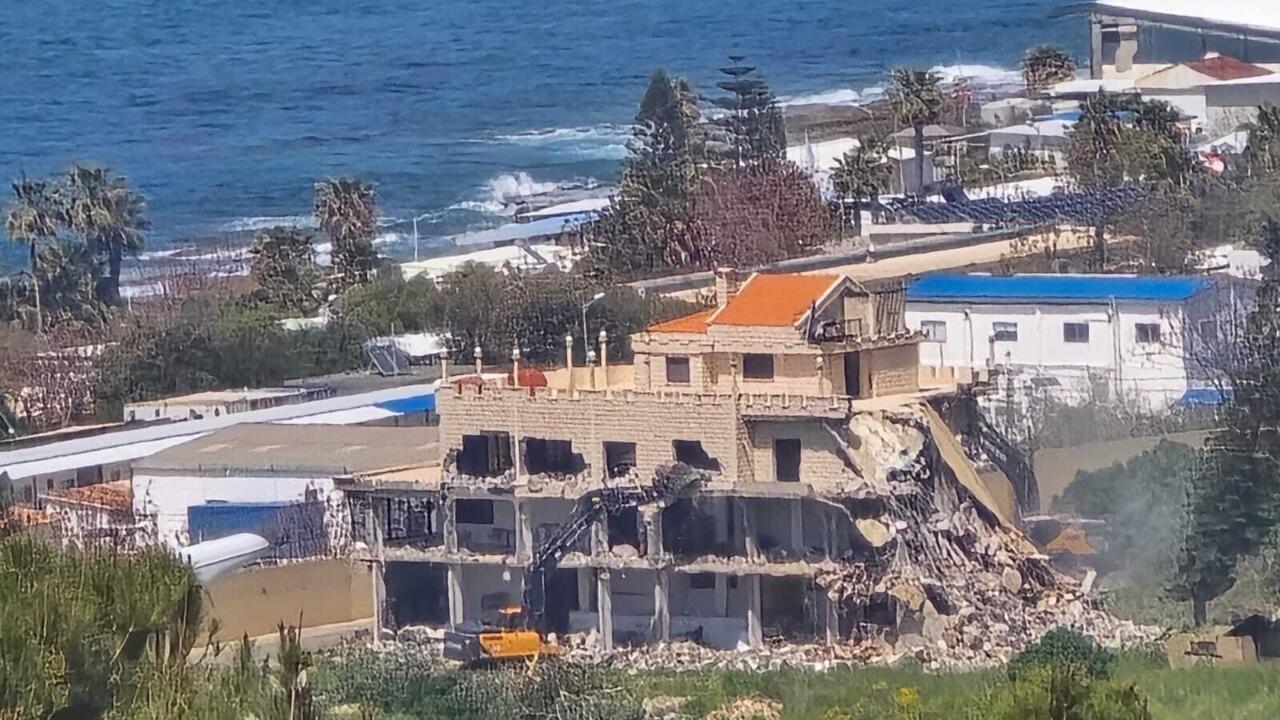
The repercussions of Israeli military operations in southern Lebanon continue to unfold, as videos reveal extensive destruction of homes and infrastructure in the region. Following the announcement of a ceasefire, many residents returned to their villages only to discover the extent of the devastation inflicted upon their homes and memories.
In the village of Naqoura, Israeli bulldozers were seen demolishing houses, with homes collapsing piece by piece amidst clouds of dust. Bernard Farhat, who left his village due to military advances, expressed his sorrow over the loss of his home, which represents all his memories. He stated, "This house is not just stones; it is my memories and my place of comfort."
Details of the Event
Since the beginning of March 2026, southern Lebanon has transformed into a new military operational theater, with the Israeli army launching operations aimed at pushing Hezbollah fighters away from the borders. Despite the army's assurances that it is targeting Hezbollah's infrastructure, the destruction inflicted upon civilian homes has been evident. On April 19, the Israeli army announced the establishment of what is referred to as the "Yellow Line" as a buffer zone.
Images of destruction in Naqoura and other towns such as Bint Jbeil and Ainata showed explosions in buildings far from active combat zones. Even with the United Nations forces' command center located in Naqoura, the area suffered significant destruction, with homes near the beach being crushed.
Background & Context
Historically, the region has witnessed repeated conflicts, suffering from displacement and destruction during previous wars. Bernard Farhat's family is not the only one to have lost their homes; many Lebanese families are grappling with the ongoing effects of the conflict. The current destruction reminds many of similar events in the past, where entire areas were evacuated of their residents.
The recent military operations come at a sensitive time, as Hezbollah seeks to bolster its presence along the borders while Israel attempts to secure its territory from any potential threats. This ongoing conflict leaves deep scars on the lives of civilians.
Impact & Consequences
The widespread destruction witnessed in the southern villages raises questions about the future of the region. Researcher Ahmad Baydoun pointed out that the destruction cannot be solely explained by military objectives but carries deeper political implications. There are concerns that this area may be planned for permanent evacuation of its residents, reminiscent of past experiences in other regions.
The impact of these operations extends to civilian lives, as many have lost their homes and livelihoods. With infrastructure destroyed, residents face significant challenges in returning to their normal lives.
Regional Significance
The events in southern Lebanon raise concerns across the Arab region, reflecting the ongoing conflict and tensions between nations. These conditions may exacerbate humanitarian crises and increase civilian suffering. Additionally, the repetition of military scenarios could contribute to destabilization in neighboring countries.
In conclusion, hope remains tied to the ability of residents to return and rebuild their lives despite all challenges. Their determination to return to their lands reflects the strength of human will in the face of adversity.