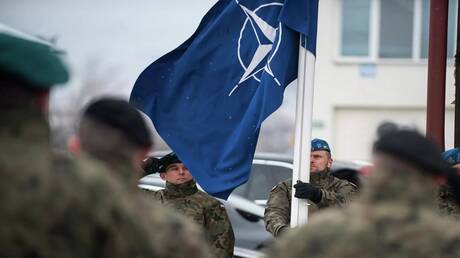
Diplomatic sources in Brussels and Washington report that NATO is contemplating the cancellation of its annual summits to prevent tense meetings with U.S. President Donald Trump. This decision comes amid escalating tensions between the alliance and the United States, as NATO seeks to maintain stable relations with the American administration.
The annual NATO summits serve as an important platform for discussing security and defense issues among member states. However, repeated statements from Trump regarding dissatisfaction with member countries' defense spending have created an atmosphere of tension and concern. It appears that the alliance is trying to avoid any situations that could escalate these tensions.
Details of the Event
The annual NATO meetings typically involve leaders from member countries, where significant strategic issues related to European and global security are addressed. However, the last summit witnessed notable tension, as Trump criticized some nations for failing to meet agreed-upon defense targets. This sparked concern among some European leaders who fear it could impact the unity of the alliance.
In light of this, some member countries have begun to consider how to approach these summits differently, contemplating the possibility of reducing the number of meetings or altering their format to avoid any embarrassing situations. This trend reflects NATO's desire to maintain its cohesion amid current challenges.
Background & Context
NATO was established in 1949 as a military alliance aimed at countering Soviet threats. Over time, the alliance has evolved to include new security issues, such as combating terrorism and cybersecurity. However, the relationship with the United States has always been a central focus in the alliance's strategies.
Under Trump's leadership, relations between the United States and its NATO allies have experienced significant fluctuations. Trump has repeatedly called for increased defense spending by member states, leading to mixed reactions among European leaders. These dynamics reflect the challenges the alliance faces in maintaining a balance of power among its members.
Impact & Consequences
If NATO decides to cancel the annual summits, it could significantly affect the decision-making mechanism within the alliance. The absence of these meetings may reduce opportunities for direct dialogue among leaders, potentially increasing the chances of misunderstandings and tensions. Furthermore, this decision could negatively impact the alliance's ability to address rising security challenges.
Moreover, cancelling the annual summits could weaken NATO's position in facing external threats, such as Russian expansion or terrorist threats. Under these circumstances, the alliance must consider effective alternatives to maintain communication among member states.
Regional Significance
The Middle East is one of the regions that could be indirectly affected by NATO's decisions. With rising tensions in the area, such as conflicts in Syria and Libya, a strong alliance like NATO could contribute to enhancing security and stability.
If NATO continues to reduce communication among its members, it may lead to weakened international coordination in addressing security challenges in the region. Consequently, any changes in NATO's strategy could impact regional security and relations between Arab states and Western countries.
In conclusion, the question remains about how NATO will address these challenges. Maintaining the alliance's unity and avoiding internal tensions will have a significant impact on global security stability.