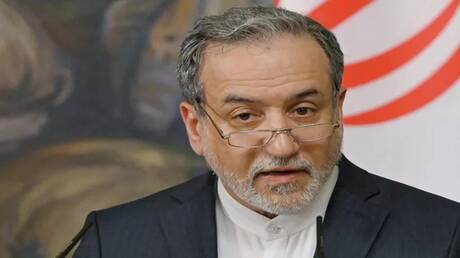
Iranian Foreign Minister Abbas Araqchi stated that his meeting with Russian President Vladimir Putin, held today in Moscow, was "very good." Araqchi noted that the discussions lasted more than an hour and a half, reflecting the significance of the topics addressed during the meeting.
This meeting occurs amid increasing tensions in international relations, particularly due to multiple regional and global crises. Both Iran and Russia are seeking to enhance cooperation in various fields, including economics and security.
Details of the Meeting
The meeting took place in the Russian capital, Moscow, where both sides discussed a range of issues of mutual interest. Araqchi expressed optimism regarding the outcomes of the discussions, indicating that there is a consensus on many issues. They also explored ways to strengthen bilateral relations in the fields of energy and trade.
The meeting also addressed the situation in the region, including the crises in Syria and Iraq, where both sides emphasized the importance of cooperation in combating terrorism and enhancing stability in these countries. Araqchi pointed out that Iran and Russia share a common vision regarding the necessity of maintaining regional security.
Background & Context
Historically, Iranian-Russian relations have been characterized by close cooperation, particularly in the fields of energy and defense. These relations have seen significant development in recent years, especially following the imposition of Western sanctions on both countries. Tehran and Moscow are both striving to enhance their partnership to face common challenges.
There is also increasing interest from both sides to boost economic cooperation, with Russia being one of Iran's largest trading partners. Numerous agreements have been signed in the fields of energy and transportation, reflecting both countries' commitment to strengthening their ties.
Impact & Consequences
This meeting is considered a crucial step in enhancing relations between Iran and Russia, potentially leading to positive effects on regional stability. Increased cooperation between the two countries could bolster security in the region, especially given the security challenges they face.
Moreover, strengthening economic relations could contribute to improving the economic conditions in both countries, providing new opportunities for cooperation and investment. This collaboration may also have positive effects on neighboring countries, as it could contribute to achieving stability and development.
Regional Significance
The Iranian-Russian relationship is significant for the Arab region, as it can influence political and security balances. Amid ongoing crises in Syria and Iraq, cooperation between Iran and Russia may help enhance stability in these countries, positively impacting neighboring nations.
Furthermore, strengthening ties between Iran and Russia could lead to changes in regional dynamics, affecting Arab countries' policies towards both Iran and Russia. Thus, this meeting carries important implications for the future of regional relations.
In conclusion, the meeting between Araqchi and Putin reflects the importance of cooperation between Iran and Russia in light of current challenges. It indicates the potential for progress in bilateral relations, which may contribute to enhancing stability in the region.