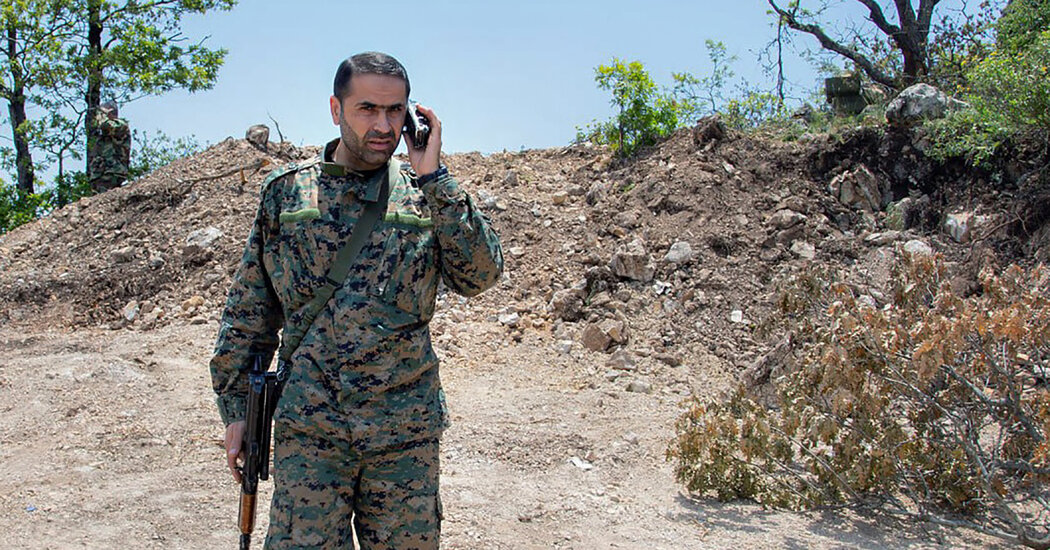
Hezbollah continues to carry out targeted operations against the Israeli army in southern villages and towns, in response to repeated violations of the ceasefire agreement and ongoing attacks on civilian areas. The group has executed a series of operations using suicide drones, targeting Israeli positions in southern Lebanon and northern occupied Palestine.
These operations come at a time when the Israeli occupation army appears to be in a real predicament, as pressures have increased due to these attacks. Reports indicate that Hezbollah has achieved significant successes in targeting Israeli forces, raising considerable concern within the Israeli army.
Details of the Operations
Hezbollah has conducted multiple operations using suicide drones, which have targeted Israeli military sites, resulting in the destruction of some military facilities. Reports indicate that these operations are part of the group's strategy to respond to repeated Israeli aggressions, which include targeting civilians and infrastructure in the southern regions.
Analysts have noted that these operations reflect Hezbollah's ability to develop new technologies in warfare, complicating the security situation in the region. The Israeli army, for its part, is attempting to confront these challenges by reinforcing its forces in border areas, but tensions seem to be continuously escalating.
Background & Context
Historically, the Lebanese-Israeli border has witnessed ongoing tensions, especially following the 2006 war. Since then, Hezbollah has sought to enhance its military capabilities to counter Israeli threats. The repeated violations by the Israeli army have exacerbated the situation, prompting Hezbollah to take escalatory steps.
In recent years, military operations in the region have increased, with each side seeking to strengthen its position. Political and economic crises in Lebanon have added pressure on Hezbollah, leading it to adopt more aggressive strategies.
Impact & Consequences
These operations could lead to a greater escalation in the conflict, threatening regional security. The continuation of tensions may affect relations between Lebanon and Israel, increasing the likelihood of a new conflict in the region. Some observers have warned that any escalation could result in serious humanitarian consequences, especially given the difficult economic conditions in Lebanon.
Moreover, these developments may impact the political situation in Lebanon, as pressures on the Lebanese government increase to address security and economic challenges. This could have a direct effect on the stability of the government and its ability to make effective decisions.
Regional Significance
These events indicate a rise in tensions in the region, which may affect neighboring countries. Amid the multiple crises facing the region, any escalation in the Lebanese-Israeli conflict could have repercussions for regional security.
Additionally, these events raise concerns among Arab nations, which are striving for stability in the region. They may lead to a reevaluation of Arab countries' strategies in dealing with regional conflicts, especially in light of increasing security challenges.
The escalation of Hezbollah's military operations against the Israeli army reflects a shift in the security dynamics in the region. As tensions continue, the question remains open regarding how the situation will evolve in the future.