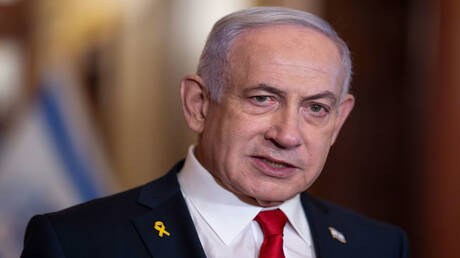
Israeli Prime Minister Benjamin Netanyahu announced that the Israeli army has achieved significant accomplishments in Lebanon, stressing the continuation of military operations in the 'security zone' and surrounding areas, extending beyond the Litani River. These remarks come at a time of increasing tensions between Israel and Hezbollah, raising fears of a larger military escalation.
During a meeting with military leaders, Netanyahu confirmed that the military operations aim to enhance Israeli security and address the growing threats from Hezbollah. He also noted that the army will continue its work in areas deemed sensitive to Israel's security, emphasizing the importance of maintaining military superiority in the region.
Details of the Operations
In his remarks, Netanyahu clarified that military operations include targeting Hezbollah positions that are considered a direct threat to Israel. Israeli military reports have indicated an increase in Hezbollah's military activities, prompting the Israeli army to take proactive measures. He mentioned that operations will continue until the specified objectives are achieved.
These statements come at a sensitive time, as fears of military escalation that could lead to a full-scale conflict in the region are growing. Some Arab countries have expressed concern over the escalation, calling for dialogue and negotiation to resolve conflicts.
Background & Context
Historically, relations between Israel and Hezbollah have been marked by ongoing tensions since the party's emergence in the 1980s. The two sides have fought several wars, most notably the 2006 war, which resulted in widespread destruction in Lebanon and significant damage in Israel. Since then, skirmishes and clashes along the border have persisted, rendering the situation in the region fragile.
Hezbollah, which is part of the Lebanese government, enjoys substantial support from Iran, complicating the situation further. In recent years, the party's military activities have increased, prompting Israel to bolster its military presence along the northern border.
Impact & Consequences
Netanyahu's recent statements may lead to heightened tensions in the region, as Hezbollah could respond with counter-military operations. This escalation could affect stability in Lebanon and increase the suffering of civilians living in conflict areas.
Moreover, these events may impact relations between Israel and other Arab countries, especially amid attempts by some nations to normalize relations with Israel. Any military escalation could reverse progress and affect peace efforts in the region.
Regional Significance
The situations in Lebanon and Israel are part of the larger picture of regional security. Any military escalation could negatively reflect on neighboring countries, increasing tensions and impacting regional security. Additionally, the situation in Lebanon could lead to a greater influx of refugees into neighboring countries, putting more pressure on these nations.
In conclusion, the situation in Lebanon and Israel remains under close observation, as any escalation could have widespread implications for security and stability in the region. It is crucial that both international and local efforts continue to maintain peace and avoid armed conflicts.