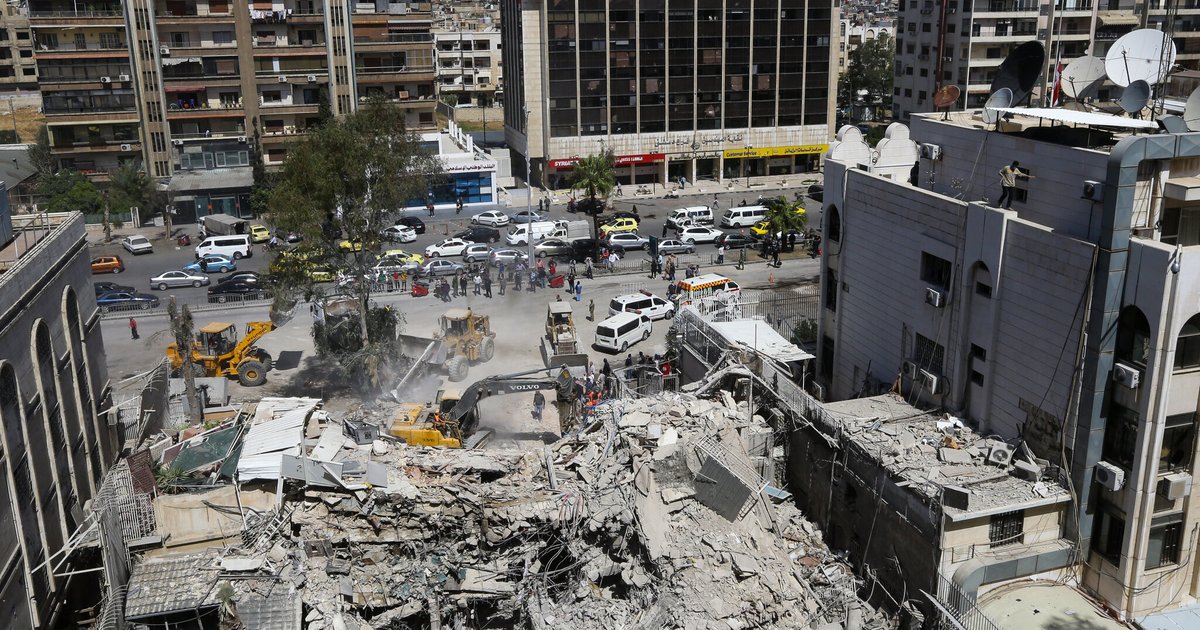
Reports indicate that the ongoing conflict against Iran has entered a new phase of complexity following five weeks of bombardment. Journalist Gil Paris in the French newspaper 'Le Monde' emphasizes that the unpredictability that characterized the era of former U.S. President Donald Trump no longer reflects the current situation, as matters have become more volatile and intricate.
Concerns are growing that the military escalation could lead to unforeseen outcomes, with political and military interests intertwining in complex ways. The writer notes that the challenges faced by major powers in this conflict may outweigh potential gains, raising questions about the strategies being employed.
Details of the Event
Since the onset of the bombardment, the region has experienced a rise in tensions, with airstrikes targeting sensitive sites in Iran. This escalation has elicited mixed reactions from the international community, with many countries calling for restraint and urging against further escalation.
There are also reports indicating that Iran has begun to bolster its defensive capabilities, further complicating the situation. Experts suggest that this escalation could lead to a broader conflict in the region, threatening regional stability.
Background & Context
Historically, relations between Iran and the United States have been marked by increasing tensions, especially following Trump’s withdrawal from the nuclear agreement in 2018. This withdrawal led to the imposition of stringent economic sanctions on Iran, exacerbating the conflict.
In recent years, Iran has sought to expand its regional influence, raising concerns among neighboring countries and the United States. As tensions escalate, it has become clear that any military escalation could have far-reaching implications for both regional and international security.
Impact & Consequences
The potential ramifications of this conflict could be extensive, affecting oil prices and global financial markets. Additionally, any military escalation could lead to an influx of refugees from the region, placing additional pressure on neighboring countries.
Moreover, the continuation of bombardments could worsen the humanitarian situation in Iran, where the population is suffering from the effects of economic sanctions. This could create a conducive environment for the escalation of internal protests against the Iranian government.
Regional Significance
Arab countries neighboring Iran are on high alert, closely monitoring developments in the conflict. Any escalation could lead to direct impacts on regional security, potentially altering the balance of power in the area.
Arab nations may find themselves compelled to intervene or take clear stances, further complicating the political landscape in the region. Under these circumstances, it is crucial for Arab states to adopt effective strategies to address the challenges arising from this conflict.
In light of escalating tensions and uncertainty, the most pressing question remains: how will this war affect the future of international relations in the region?