The Blue Nile fronts are witnessing a significant military escalation, as the Rapid Support Forces continue their attacks on Sudanese army positions, exacerbating the deteriorating humanitarian situation in the region.
This morning, the Rapid Support Forces launched an attack on the city of Sali, which is one of the most prominent cities in the region due to its strategic importance as a military base. A military source informed Al Jazeera that the army managed to repel the attack, resulting in casualties among the attackers.
Details of the Incident
Field developments in the Blue Nile are accelerating, with fighting erupting on several fronts, including the Kormok axis. Al Jazeera correspondent from Damazin, Osama Said Ahmed, noted that the recent attack on Sali city occurred in four consecutive waves, involving the Rapid Support Forces allied with the Sudan People's Liberation Movement.
Sali city has become a repeated target for the Rapid Support Forces due to its strategic location. As clashes continue, the suffering of civilians is increasing, with humanitarian conditions worsening in the region.
Background & Context
Historically, the Blue Nile region has witnessed ongoing conflicts between the Sudanese army and the Rapid Support Forces, leading to deteriorating humanitarian conditions. The current conflict is part of a broader struggle in Sudan, where various factions compete for control and influence.
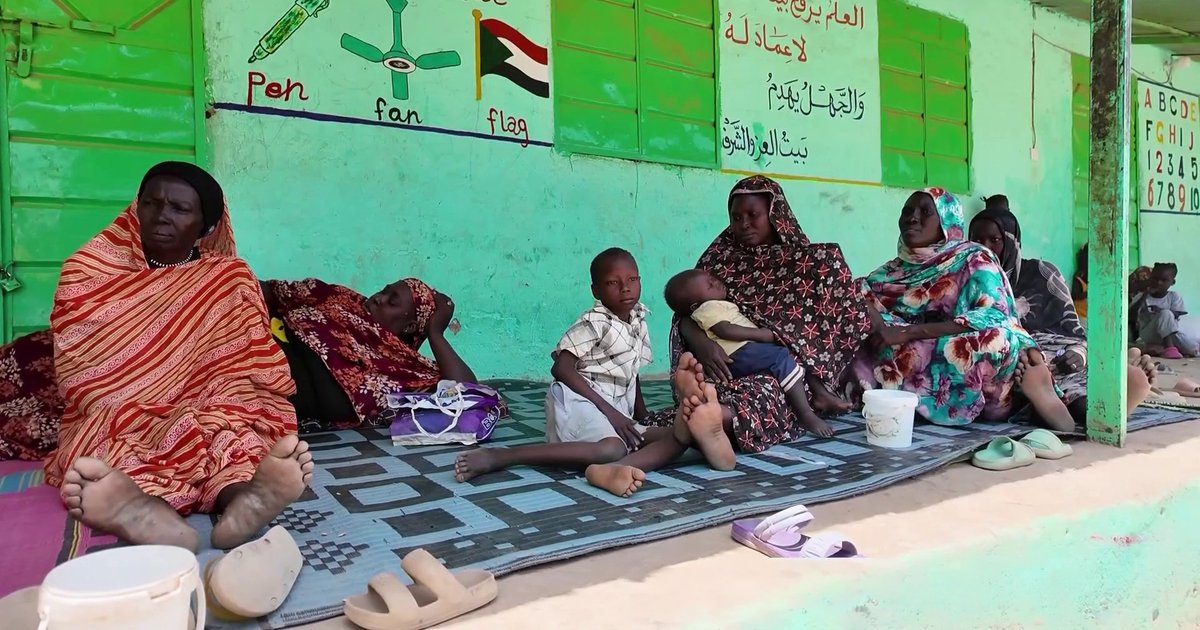
These conflicts have caused large-scale displacement, forcing many to leave their homes in search of safety. Al Jazeera's correspondent has reported on the humanitarian conditions faced by displaced persons from the Qaisan area, where they suffer from harsh conditions.
Impact & Consequences
The number of displaced persons is alarmingly increasing, with estimates indicating that around 5,000 families have been displaced, most of whom are women, children, and the elderly. These displaced individuals face difficult living conditions, with severe shortages of food and shelter.
The suffering of the displaced is exacerbated as they lack sufficient humanitarian aid to meet their basic needs. Zohair Ibrahim, the administrative director of Qaisan County, has appealed to humanitarian organizations to provide essential shelter supplies.
Regional Significance
The situation in the Blue Nile affects regional stability, as ongoing conflicts contribute to rising tensions in the area. The worsening humanitarian conditions reflect larger challenges faced by Arab countries in dealing with humanitarian crises.
In conclusion, it is evident that the situation in the Blue Nile requires an urgent response from the international community to assist those affected by the conflict and provide necessary support to the displaced.