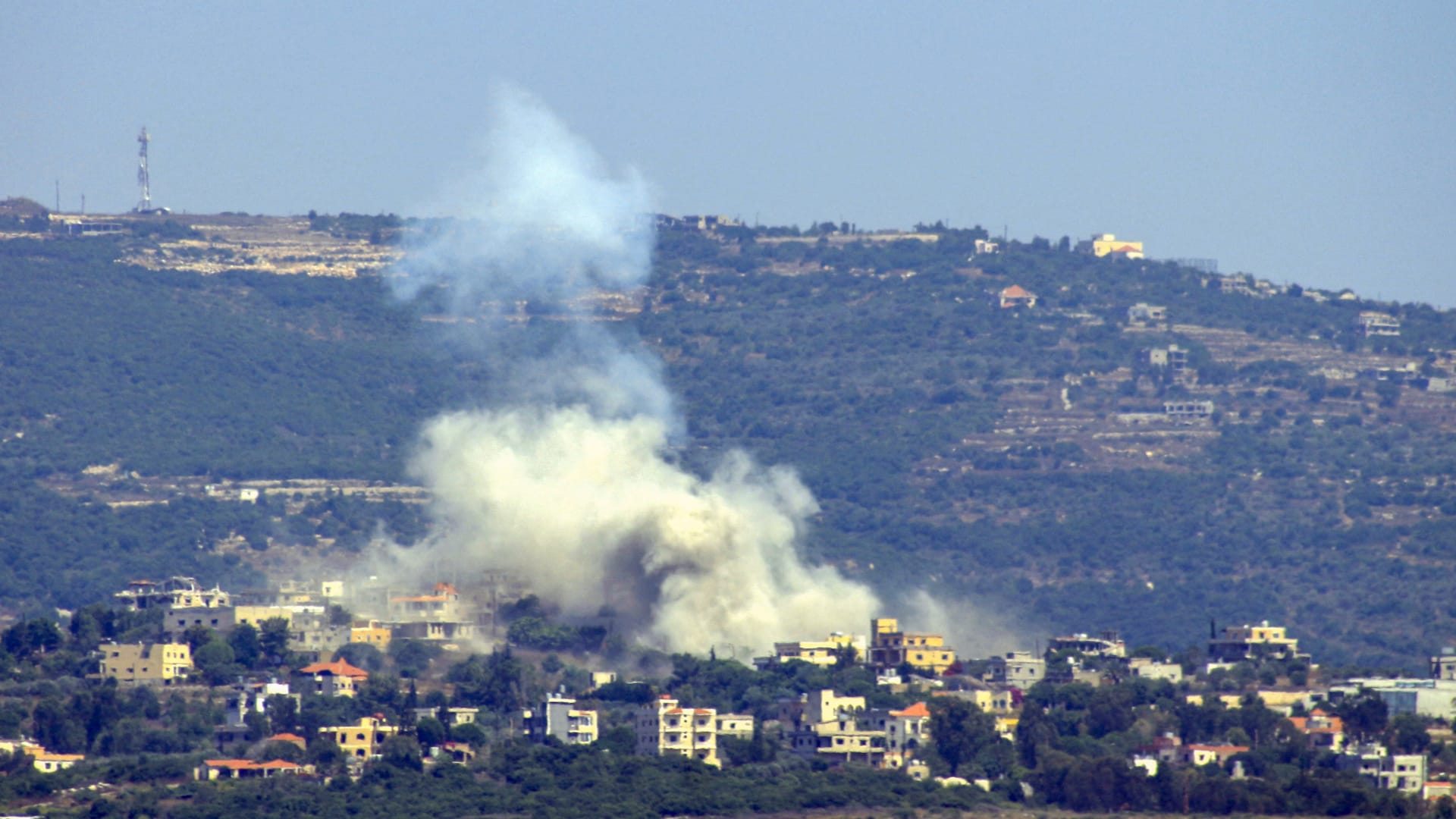
The tense situation between Iran and Israel persists, with the Iranian Revolutionary Guard announcing the launch of two new missile waves targeting deep into Israel. This escalation comes as the world awaits the results of the deadline set by U.S. President Donald Trump for Tehran.
As tensions rise, images from Tel Aviv document the damage inflicted on buildings and vehicles due to Iranian strikes, reflecting Tehran's desire to impose a new battlefield reality ahead of any potential negotiations.
Details of the Incident
Early Tuesday morning, the Iranian Revolutionary Guard announced the launch of the 78th and 79th waves of Operation "True Promise 4," targeting what Tehran describes as American bases in the region, in addition to deep Israeli territory. These strikes resulted in the destruction of buildings and the burning of vehicles in Tel Aviv, highlighting Iran's determination to strengthen its military position.
On the other hand, Israel did not hesitate to respond, targeting more than 50 sites inside Iran, including ballistic missile launch pads. The most intense strikes were concentrated in the city of Tabriz, resulting in civilian casualties, alongside attacks on energy facilities in Isfahan and Khorramshahr, despite Trump’s announcement of postponing any operations targeting these facilities.
Background & Context
These developments come at a sensitive time, as the U.S. Central Command announced its continued strikes on Iranian military targets, despite statements suggesting the possibility of reaching an agreement before the deadline expires. Relations between Iran and the United States have escalated to unprecedented levels since tensions began on February 28, leading to hundreds of casualties, including prominent figures such as Supreme Leader Ali Khamenei and defense and intelligence ministers.
The involved parties are seeking to bolster their positions before any potential dialogue, complicating the situation and reflecting a state of uncertainty in the region. These events have sparked widespread reactions on social media, where users exchanged opinions on the reasons behind the ongoing escalation.
Impact & Consequences
The military escalation between Iran and Israel indicates that the situation in the region may be heading toward further tension. Many analysts believe these military operations reflect each party's desire to strengthen its position before entering any negotiations. Some opinions consider the Iranian strikes as a political pressure tool aimed at improving Tehran's stance in any future negotiations.
Conversely, analyses suggest that Israeli attacks may be part of a broader strategy aimed at undermining Iranian military capabilities, especially given the ongoing U.S. support for Israel. These dynamics could lead to greater escalation in the near future.
Regional Significance
These events pose a significant concern for Arab countries, as they may lead to destabilization in the region. The increasing tension between Iran and Israel could negatively impact regional security and exacerbate existing conflicts. Furthermore, the continuation of the escalation may open the door for new external interventions, complicating the situation in the region.
In conclusion, the situation between Iran and Israel remains tense, with growing fears of a larger escalation that could affect regional and international security. This situation requires close monitoring by the international community, especially amid rising tensions.