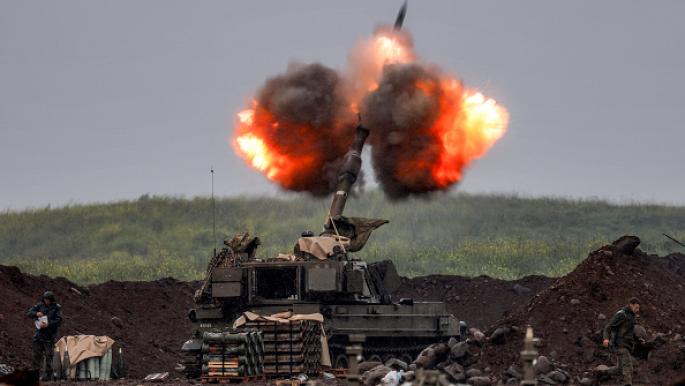
Events in Lebanon are unfolding rapidly, with clashes persisting in the south despite the United States announcing a ceasefire agreement. This mutual military escalation between the involved parties raises concerns and threatens efforts to stabilize the region.
In light of these tense conditions, Israeli officials are convening to discuss recent developments, as fears grow of a larger escalation that could worsen the humanitarian situation in Lebanon. This meeting comes at a critical time, as the international community seeks to achieve stability in the area.
Details of the Incident
Reports indicate that clashes have notably intensified in recent days, with Israeli forces and Lebanese factions exchanging fire in several areas, resulting in civilian casualties. These events have led to increasing calls from the international community to halt hostilities and return to the negotiating table.
Despite American efforts to impose a ceasefire, the ongoing military escalation highlights the significant challenges faced by the involved parties in achieving peace. This escalation serves as a test of the effectiveness of diplomatic efforts in addressing the ongoing conflict.
Background & Context
Historically, Lebanon has witnessed numerous armed conflicts, often linked to regional disputes. Since the outbreak of the Lebanese Civil War in the 1970s, the country has suffered from the repercussions of recurring conflicts, impacting its political and economic stability. In recent years, tensions between Israel and Hezbollah have escalated, making the situation in southern Lebanon increasingly fragile.
These developments come at a time when Lebanon is grappling with a severe economic crisis, leading to a significant deterioration in living conditions. This situation complicates the political landscape and makes it challenging to achieve any progress toward peace.
Impact & Consequences
These events could exacerbate the humanitarian situation in Lebanon, where the population is facing a severe shortage of essential resources. Additionally, the continuation of the escalation may open the door for military interventions by external parties, further complicating the situation.
Moreover, the escalation in Lebanon could affect regional stability, potentially provoking reactions from neighboring countries, thus enhancing the state of instability in the area. This situation calls for urgent steps from the international community to contain the situation before it worsens.
Regional Significance
The events in Lebanon are part of a larger picture concerning conflicts in the Middle East. Current tensions may impact relations between Arab countries, especially those with direct interests in Lebanon. Furthermore, the continuation of the conflict could lead to an influx of refugees into neighboring countries, increasing pressure on these nations.
In conclusion, the situation in Lebanon remains a significant concern for the international community, requiring coordinated efforts to achieve stability and de-escalation. The current escalation underscores the urgent need for dialogue and negotiation as the only way out of this crisis.