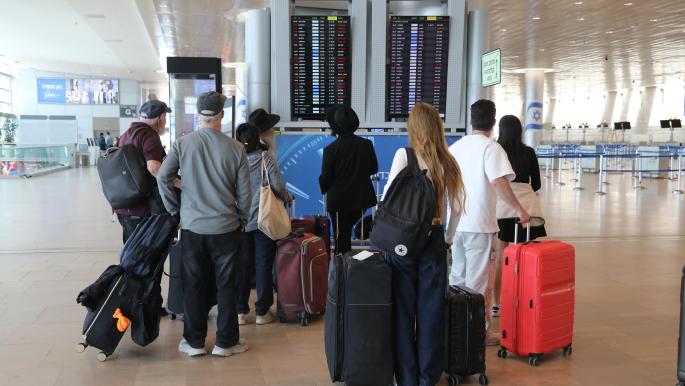
Flight disruptions have intensified as several countries closed their airspace and suspended operations at their airports amid rising tensions between Iran and Israel. These measures raise concerns about flight safety during a sensitive time.
Reports indicate that the countries taking these steps include several in the Middle East, where military and political tensions have escalated. This escalation comes at a critical time as many travelers seek to return to their home countries or travel for work or tourism purposes.
Details of the Incident
In light of recent events, some countries have closed their airspace to flights coming from and going to Iran and Israel, significantly impacting air traffic. Operations at several airports have been suspended, leading to the postponement of many flights and the cancellation of others. These steps come amid rising tensions between the two sides, increasing concerns about aviation safety in the region.
The measures taken by the concerned countries include complete or partial airspace closures, reflecting growing fears of potential military escalation. These actions have caused confusion among travelers, as many are trying to reschedule their flights or seek alternative options.
Background & Context
Historically, relations between Iran and Israel have been marked by increasing tensions, with both countries exchanging accusations regarding military activities and interference in each other's internal affairs. These tensions are not new, but they have seen a notable escalation in recent months, prompting a swift response from neighboring countries.
In recent years, there have been multiple attempts to reach peace agreements, but these have often faced significant obstacles. The current escalation may have far-reaching effects on regional relations, necessitating close monitoring by the international community.
Impact & Consequences
These developments directly affect air travel and tourism in the region, as airspace closures could lead to significant financial losses for airlines and airports. Additionally, the impacts may extend to the local economy, as many countries rely on tourism as a primary source of revenue.
Moreover, these measures could heighten political tensions among the involved countries, hindering peace and stability efforts in the region. It is crucial for the concerned nations to maintain communication and seek diplomatic solutions to prevent further escalation.
Regional Significance
These events serve as a reminder of the fragility of the security situation in the Arab region. Many Arab countries depend on stability in air travel and tourism, and any disruptions could negatively impact the economy. Furthermore, these events may increase citizens' concerns about travel and mobility.
In conclusion, the current situation requires a swift response from the concerned governments to ensure the safety of citizens and residents. There must be joint efforts to de-escalate tensions and work towards achieving stability in the region.