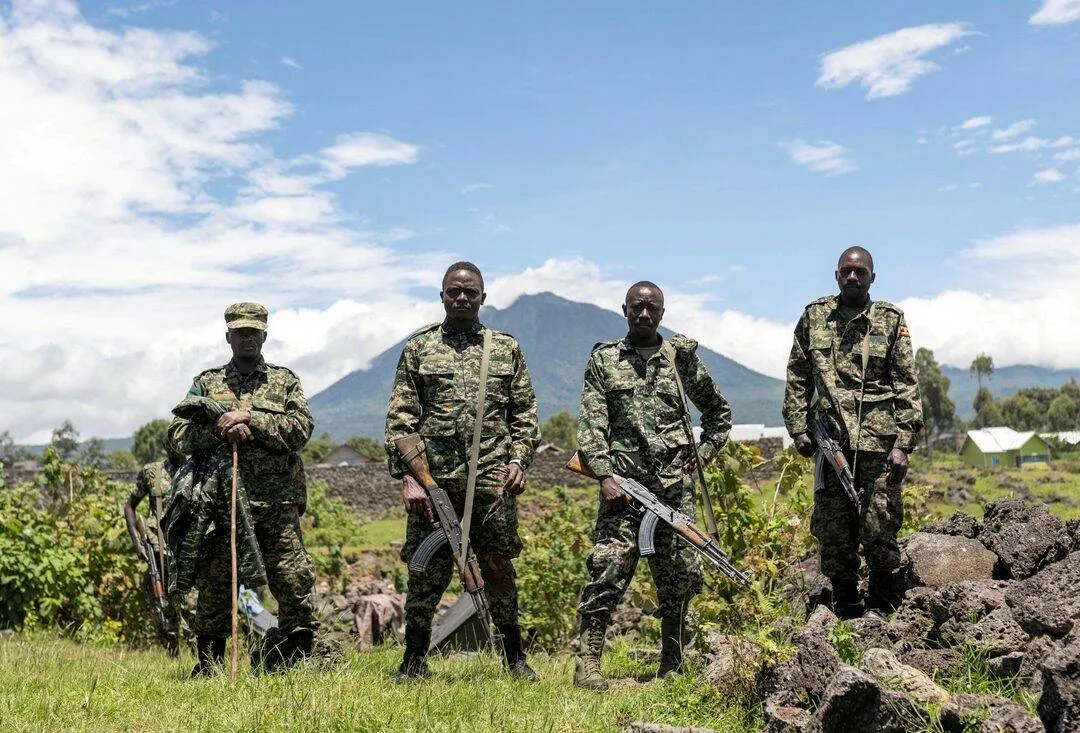
The security situation in the eastern Democratic Republic of Congo is deteriorating, with the country experiencing a surge in violence over the past two years, as rebels and armed groups seize control of strategic areas. This troubling scenario coincides with Uganda's warning of withdrawing its troops from the region, heightening the risks of a security vacuum that could exacerbate ongoing crises.
These threats come alongside increased activity from rebel groups, with experts suggesting that this situation may lead to an escalation of military tensions. Ugandan army commander, Muhoozi Kainerugaba, has indicated that the Ugandan People's Defense Forces may begin withdrawing from their positions in North Kivu and Ituri if what he described as "political obstacles" continue to hinder their operations.
Details of the Situation
These developments occur amid rising tensions with Ituri Governor Johnny Loboia Nkashama, who has imposed restrictions on the movements of Ugandan forces, which Kampala views as an impediment to their military operations. Conversely, the government in Kinshasa supports the governor's measures as part of its efforts to bolster sovereignty and reduce the role of foreign troops.
Chadian political analyst Saleh Ishaq Issa believes that Uganda's threats regarding the reduction of troop movements or withdrawal reflect increasing tensions in relations with Kinshasa, particularly concerning the presence of Ugandan forces in Ituri. This presence, which began in 2021, was based on security agreements to pursue armed groups, but it now appears more fragile due to emerging disputes over freedom of movement.
Background & Context
Historically, the Democratic Republic of Congo has witnessed multiple armed conflicts, with the eastern region being one of the most affected by violence. Armed activities have surged, particularly from groups like the March 23 Movement and the Allied Democratic Forces, which pledged allegiance to ISIS since 2019. These groups exploit the security vacuum to expand their influence, complicating the security situation in the region.
In the past two weeks, the United Nations Office for the Coordination of Humanitarian Affairs (OCHA) has expressed deep concern over the ongoing violence's impact on civilians in eastern Congo, where displacement sites have become increasingly overcrowded. This situation reflects the deteriorating humanitarian conditions in the region and exacerbates the suffering of local populations.
Impact & Consequences
If Uganda's threat to withdraw is realized, it will lead to an expanded security vacuum in a region already suffering from weak state authority. This vacuum is often exploited by armed factions to redeploy or intensify attacks, suggesting a potential rise in violence rather than containment. Furthermore, any decline in coordination between Uganda and the Democratic Republic of Congo could weaken border monitoring operations, increasing disruption to population movement and trade.
Issa emphasizes that the solution begins with clear agreements between Congo and intervening countries, precisely outlining the troops' missions and duration of stay. It also requires disarming armed groups and reintegrating their members into society, alongside improving economic conditions and addressing the marginalization that has fueled conflict for years.
Regional Significance
The Arab region is indirectly affected by the security situation in the Democratic Republic of Congo, as any escalation in violence could lead to an influx of refugees into neighboring countries, increasing the burden on those nations. Additionally, instability in Congo may impact the economic interests of Arab countries, particularly in investment and trade sectors.
In conclusion, the situation in eastern Democratic Republic of Congo remains complex, necessitating a comprehensive approach that considers security, economic, and social dimensions. Without such measures, any temporary calm will remain fragile and prone to collapse, threatening regional stability.