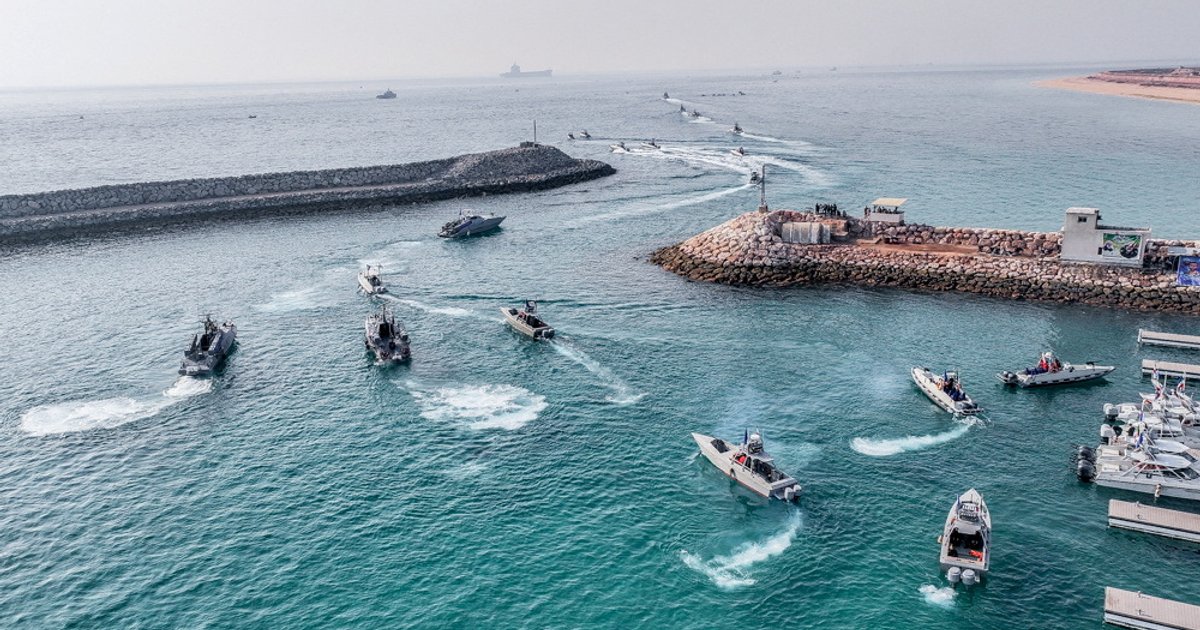
The situation in the Strait of Hormuz has become a significant challenge for global shipping, as Arsenio Dominguez, the Secretary-General of the International Maritime Organization, revealed that around 20,000 sailors are stranded in the area, with about 2,000 ships unable to move. This crisis comes at a sensitive time, as these waterways are among the most crucial shipping points in the world, raising concerns about its implications for the global economy.
Dominguez added in his statements to Al Jazeera that insurance companies have started to refuse coverage for losses resulting from these conditions, leading to the cancellation of many contracts or imposing significantly higher insurance premiums. This situation complicates matters for sailors and companies that rely on these routes to transport their goods.
Details of the Event
The Strait of Hormuz is a vital transit point for about 20% of the world's oil, making any disruption in movement directly impact oil prices and global markets. In recent weeks, the region has witnessed an escalation in political and military tensions, increasing the risks associated with shipping.
Concerns are growing that the continuation of these conditions could exacerbate economic crises in oil-dependent countries, in addition to affecting the stability of global markets. Furthermore, delays in ship movements may impact supply chains, potentially leading to shortages of essential goods.
Background & Context
Historically, the Strait of Hormuz has seen numerous crises, serving as a stage for military conflicts and political disputes. In recent years, tensions between Iran and Western countries have escalated, raising fears about the safety of navigation in the region. These tensions often lead to threats of closing the strait, causing alarm in the international community.
This current crisis is part of a series of events reflecting the increasing tensions in the area. Previously, there have been attempts by the international community to secure freedom of navigation, but these efforts have not been sufficient to halt the escalation.
Impact & Consequences
The repercussions of this crisis extend beyond the region, affecting the global economy as a whole. Rising shipping costs due to increased insurance premiums may lead to higher prices for goods in global markets, impacting consumers worldwide.
Moreover, the continuation of these conditions could worsen humanitarian crises in countries that rely on imports to meet their basic needs. The economic impacts may also lead to increased social and political tensions in those countries.
Regional Significance
For Arab countries, the situation in the Strait of Hormuz represents a significant challenge, as many of these nations depend on oil and gas exports. Any disruption in shipping movements could directly affect the revenues of these countries, potentially leading to negative impacts on their economies.
Additionally, the tensions in the region may lead to increased political divisions among Arab countries, complicating regional cooperation efforts. Under these circumstances, it becomes essential for Arab nations to adopt strategies to address these challenges, including enhancing security and economic cooperation.
In conclusion, the situation in the Strait of Hormuz represents a complex crisis that requires a swift response from the international community. The concerned countries must work together to ensure the safety of navigation and protect their economic interests.