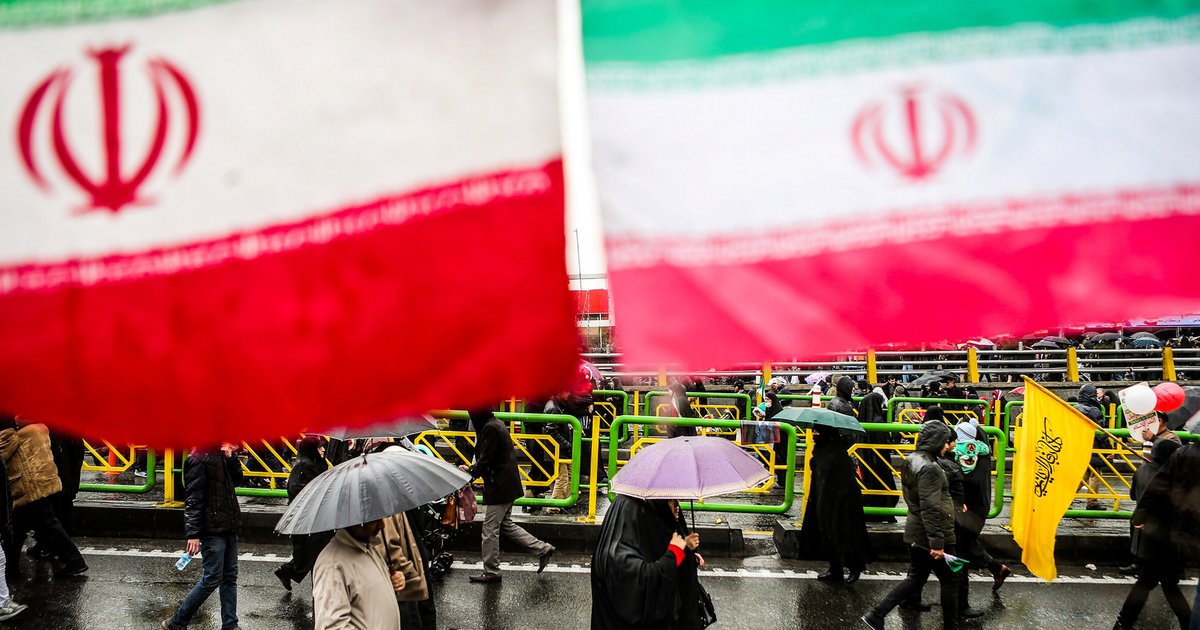
Reports indicate that Iranian leaders have greater motivations to continue the conflict with the United States, reflecting the complexities of the current geopolitical situation. While former President Donald Trump seeks to reduce tensions, Iran appears to benefit from the ongoing conflict for political and economic purposes.
Iran is under increasing pressure due to economic sanctions, yet it simultaneously sees these circumstances as an opportunity to strengthen its regional position. By escalating the conflict, Iran hopes to achieve both internal and external political gains, making it more prepared to continue the confrontation.
Details of the Event
In recent months, relations between Iran and the United States have witnessed a notable escalation in tensions. Iran has continued to develop its nuclear program, raising concerns within the international community. In response, the United States is seeking to impose further sanctions on Tehran, complicating the situation even more.
Reports suggest that Iran may be willing to endure more pressure, as the Iranian leadership views the continuation of the conflict as a means to bolster its authority domestically. There is also a belief that escalation may help unify internal ranks in the face of external pressures.
Background & Context
Historically, relations between Iran and the United States have been strained since the Islamic Revolution in 1979. Since then, the region has witnessed numerous crises that have led to heightened tensions. The economic sanctions imposed by the United States on Iran aimed to reduce its regional influence, but at the same time, they have exacerbated humanitarian and economic crises within the country.
In recent years, Iran has sought to strengthen its relations with other countries in the region, such as Russia and China, in an attempt to mitigate the effects of sanctions. This alliance reflects Tehran's strategy in confronting Western pressures.
Impact & Consequences
The continuation of the conflict between Iran and the United States could lead to serious repercussions at both the regional and international levels. Increased tensions may result in military escalation, threatening the stability of countries in the region and impacting oil prices and global markets.
Furthermore, the ongoing conflict may contribute to increasing sectarian divisions in the region, as some extremist groups might exploit the situation to enhance their influence. This could exacerbate humanitarian crises in neighboring countries like Iraq and Syria.
Regional Significance
For Arab countries, the rising tensions between Iran and the United States represent a significant challenge. Gulf states, in particular, are concerned about any escalation that may threaten their security and stability. There are also fears that the conflict could lead to increased foreign interventions in the region's affairs.
In light of these circumstances, Arab countries must take proactive steps to enhance their security and stability, and work on building strategic alliances to face future challenges.
In conclusion, the situation between Iran and the United States represents a turning point in international relations, with risks and challenges on the rise. It is crucial for Arab nations to closely monitor developments and be prepared to address any repercussions that may arise from this conflict.