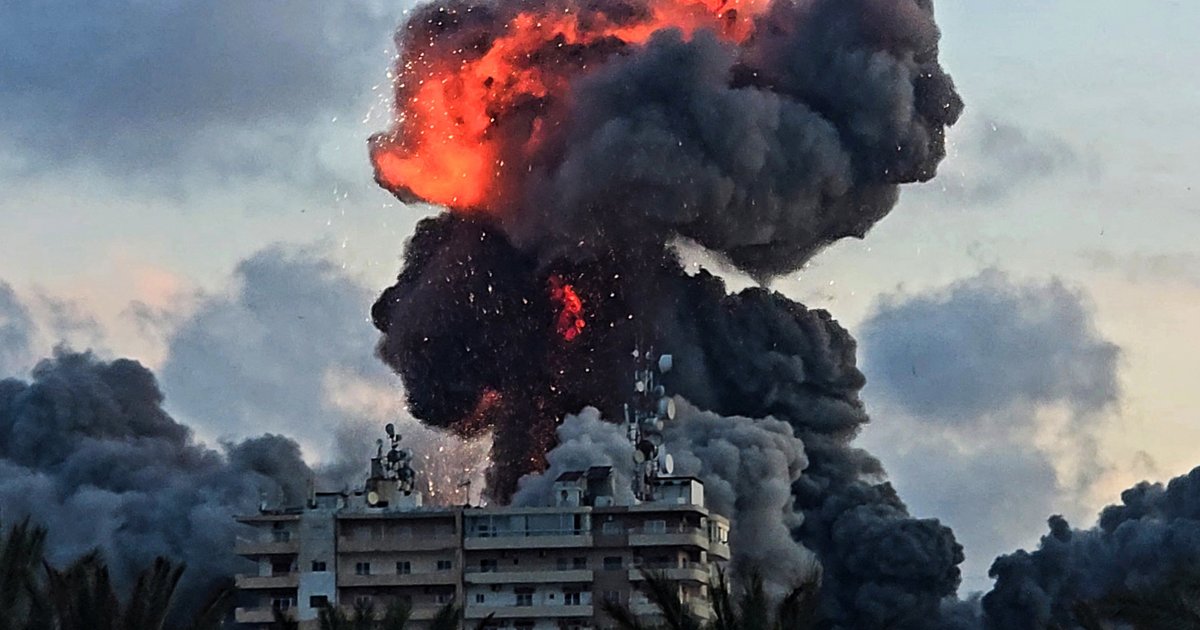
Tensions between Iran and the United States have significantly escalated, as Iran launched retaliatory attacks on a US base after Bandar Abbas International Airport was struck. While Iran did not specify the targeted base, alarm sirens were activated in Kuwait in response to the hostile missile and drone attacks.
In related developments, the US Treasury Department announced new sanctions on Wednesday concerning Iran, adding the Gulf Cooperation Council to the list of specially designated individuals and entities. This move is part of the United States' efforts to increase pressure on Tehran.
Details of the Incident
Reports indicate that Iranian forces fired upon four ships attempting to cross the Strait of Hormuz. The official Iranian television reported that Iranian forces warned the ships before opening fire, but after the warnings were ignored, warning shots were fired to compel them to turn back.
In a related context, President Donald Trump threatened to blow up Oman if it cooperated with Iran to impose fees on vessels transiting the Strait of Hormuz as part of a settlement to end the war with Tehran. These statements reflect the intensifying tensions in the region.
Background & Context
Historically, relations between Iran and the United States have seen increasing tensions since Washington's withdrawal from the Iranian nuclear deal in 2018. This withdrawal led to the reimposition of stringent economic sanctions on Iran, exacerbating military tensions between the two parties.
The situation in the region also reflects a broader struggle between regional and international powers, as Iran seeks to bolster its influence in the Middle East, while the United States and its allies aim to curtail this influence. The recent escalation comes at a sensitive time, with rising concerns over the potential for military conflict in the area.
Impact & Consequences
The current tensions could lead to greater military escalation, threatening stability in the Gulf region. Additionally, the new US sanctions could significantly impact the Iranian economy, increasing pressure on the Iranian government.
At the same time, these events may heighten tensions between Iran and its allies in the region, such as Hezbollah in Lebanon, which could negatively affect regional security. Increased military movements may trigger a chain reaction from various parties, raising the risk of a comprehensive conflict.
Regional Significance
These developments directly affect Arab countries, especially those close to the Strait of Hormuz, which is a vital artery for oil transport. Any escalation in tensions could impact global oil prices, reflecting on the economies of Arab nations.
Moreover, military escalation could lead to an influx of refugees and increased internal tensions in some Arab countries, necessitating a response from Arab governments to address these growing challenges.
In conclusion, the situation in the region remains tense, with the potential for escalating conflict between Iran and the United States, requiring close monitoring by the international community.