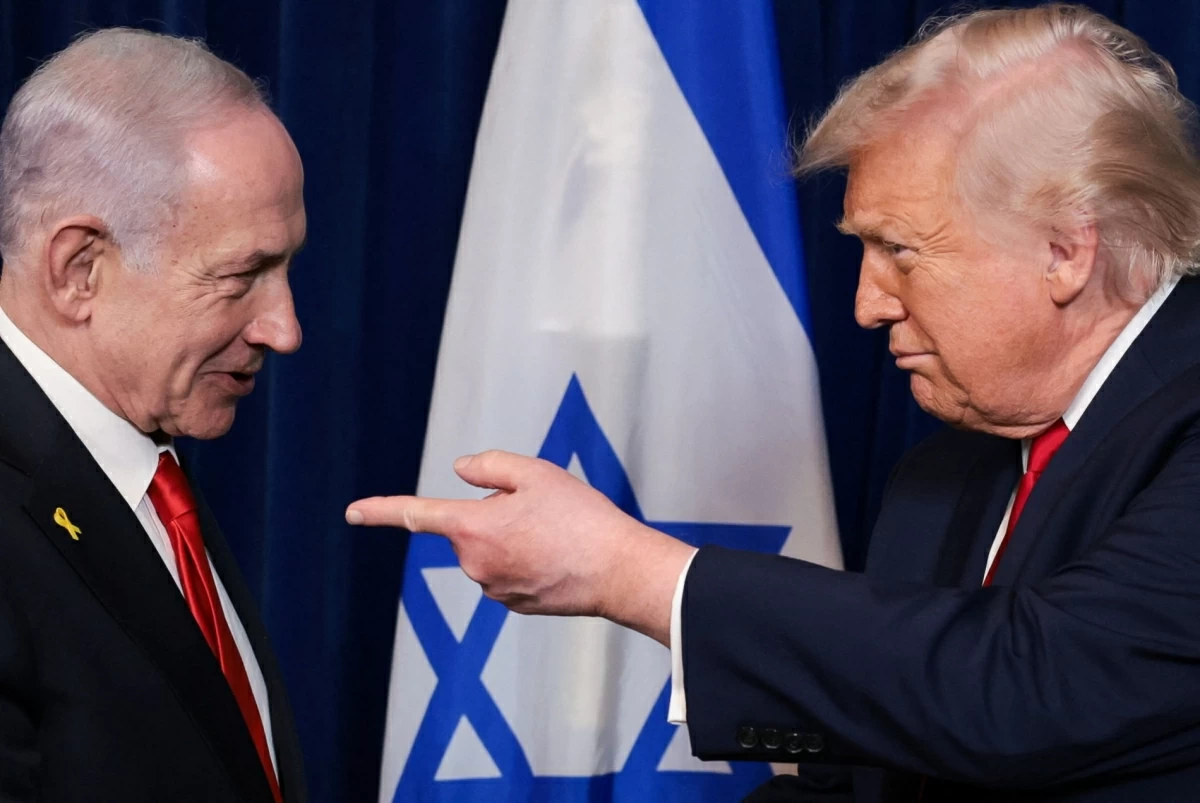
Fears of military escalation in the Middle East are rising as the deadline set by U.S. President Donald Trump approaches. Axios reported that Trump's advisors informed mediators of the need to see positive indicators before considering an extension of the deadline, which ends at dawn on Wednesday. However, an American official expressed skepticism about the possibility of this.
In this context, an American official indicated that the White House views the Iranian response as a "negotiation maneuver" rather than a rejection, adding that mediators informed Washington that the decision-making process in Iran is slow. The Wall Street Journal quoted American officials confirming that Trump appeared less optimistic about the possibility of reaching an agreement with Iran in private discussions.
Event Details
At the same time, the Israeli newspaper Maariv reported that estimates suggest Trump is not prepared to end the war at any cost, with Israeli officials confirming that the cost of war remains bearable and they are ready to continue military pressure on Iran. In this context, Iranian official Ali Reza Rahimi called on the youth to form "human chains" around power stations in the country, in a move aimed at protecting these facilities from American pressures.
Rahimi, known as the Secretary of the Supreme Council for Youth and Adolescents, called through a video message for all segments of Iranian society to participate in this gathering, considering that these power stations represent a national wealth unrelated to any political orientation.
Background & Context
Historically, Iran has organized demonstrations in the form of human chains around its nuclear facilities during times of tension with the West, reflecting its strategy to confront external pressures. As escalation continues, positions among the parties vary regarding the conditions and timing for ending the war, amidst unannounced diplomatic moves.
An Iranian source revealed to CNN that Tehran seeks to end the war but refuses to do so under the conditions proposed by Trump. Iran submitted its response to the proposal for a ceasefire to Pakistan, where official sources indicated that the highest levels of the regime reviewed the response, which includes 10 points, including ending regional conflicts and lifting sanctions.
Impact & Consequences
Concerns are growing that continued escalation could lead to catastrophic results for regional security, as any military escalation could drag the region into a wider conflict. The varying positions among the parties complicate the scene, necessitating urgent diplomatic moves to avoid slipping into a comprehensive confrontation.
International relations are significantly affected by these tensions, as any escalation could impact oil prices and global markets, negatively reflecting on the global economy. Neighboring countries to Iran may find themselves in a precarious position if the situation worsens.
Regional Significance
These developments are of great importance to Arab countries, as any escalation in the Middle East could affect the stability of the region. Arab nations are looking to safeguard their interests amid these changing circumstances, as tensions between Iran and the United States could lead to a reshaping of regional alliances.
In conclusion, the situation in the Middle East remains precarious, as any decision made in the coming hours will have far-reaching implications for regional security and stability.