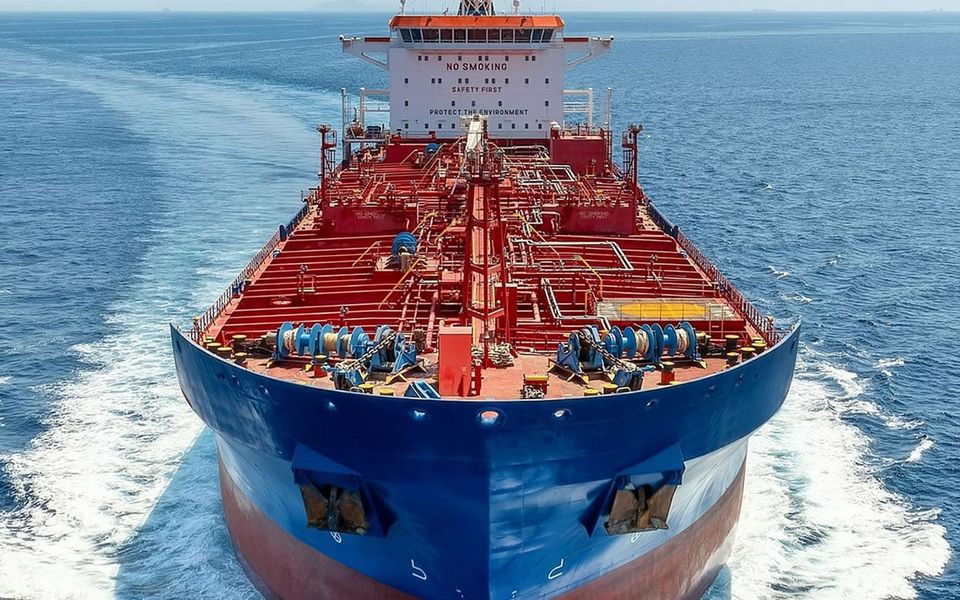
Attention is focused on the Strait of Hormuz, where a notable escalation is disrupting shipping activities at a time when talks in Pakistan are stalling. These developments are causing alarm within the international community, as Hormuz is a vital point for oil and gas transportation.
Reports indicate that the escalation in Hormuz is occurring amid rising tensions between Iran and the United States, increasing risks for maritime navigation. Aerial images and ships anchored in the area illustrate the extent to which these conditions are affecting global trade.
Details of the Event
In recent days, several reports have documented an increase in military activities in the Strait of Hormuz, where Iranian naval forces have conducted displays of power. These activities coincide with escalating political tensions in Pakistan, where talks between the government and opposition groups have stalled, further increasing instability in the region.
Pakistan is considered a key player in the region, playing a pivotal role in the stability of South Asia. However, current conditions indicate that the country is facing significant challenges, both internally and externally.
Background & Context
Historically, the Strait of Hormuz has witnessed ongoing tensions, as it is a crucial passage for the transport of approximately 20% of global oil. This area has seen numerous incidents that have impacted shipping activities, prompting major powers to take measures to protect their interests.
In Pakistan, the country has been grappling with recurring political and economic crises. The current talks aimed at achieving stability are now raising concerns about worsening conditions due to the ongoing stalemate.
Impact & Consequences
The escalation in Hormuz could lead to an increase in global oil prices, affecting economies that rely on oil. Additionally, the continued instability in Pakistan may negatively impact regional security, heightening tensions among neighboring countries.
Experts anticipate that these conditions will affect global financial markets, as any escalation in the region could lead to significant fluctuations in stock and commodity prices.
Regional Significance
The situations in Hormuz and Pakistan have a direct impact on Arab countries, especially those dependent on oil and gas. Any escalation could affect energy supplies, increasing economic pressures on Arab nations.
In conclusion, the current conditions require close monitoring by the international community, as the stability of the region depends on resolving existing crises.