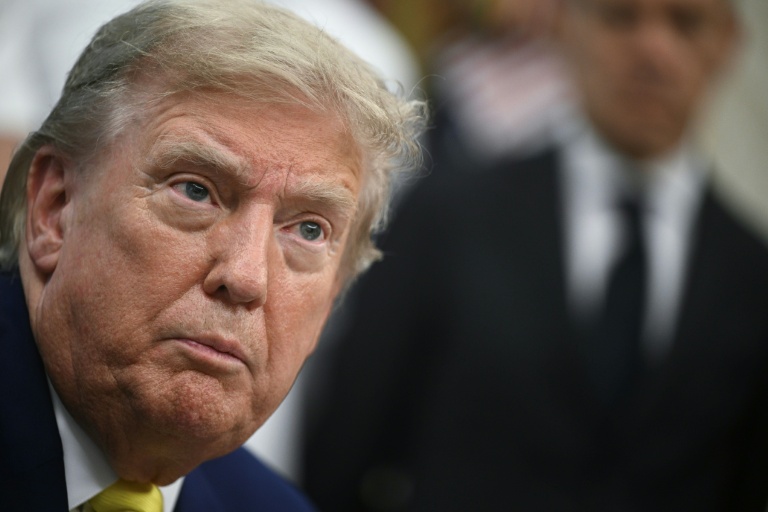
Events in Iran are unfolding rapidly, with military and political developments taking center stage. Recent reports cover various aspects of the conflict, shedding light on its deep impacts on the entire region.
Information indicates that the conflict has seen a significant escalation, with clashes increasing in several areas. This escalation comes at a sensitive time, as both internal and external pressures mount on the Iranian government.
Details of the Ongoing Events
Reports suggest that the Iranian armed forces have conducted several military operations in different regions, targeting sites deemed threats to national security. Reports have also noted an increase in the number of casualties, raising concerns about the humanitarian situation in the country.
At the same time, popular protests continue in several cities, where citizens express their dissatisfaction with economic and social conditions. These protests reflect a state of general discontent, complicating the political landscape in Iran.
Background & Context
Historically, Iran has experienced numerous political and social crises, but the current situation is considered one of the most sensitive periods. Economic sanctions imposed on the country have led to a deterioration in living conditions, contributing to the outbreak of popular protests.
Additionally, regional tensions with neighboring countries, especially amid ongoing conflicts in Syria and Iraq, have further complicated the landscape. These combined factors make it difficult to predict the future of the situation in Iran.
Impact & Consequences
The repercussions of the conflict in Iran extend beyond its borders, potentially affecting regional stability. Increased tensions could lead to escalated conflicts in the region, threatening security in neighboring countries.
Moreover, the humanitarian crises resulting from the conflict may necessitate international interventions, further complicating the situation. Under these circumstances, the international community must closely monitor developments.
Regional Significance
The ongoing events in Iran are particularly significant for Arab countries, as they could impact regional relations. Tensions in Iran may escalate conflicts in countries like Iraq and Syria, complicating the security landscape in the region.
Furthermore, any escalation in the conflict could lead to an influx of refugees into neighboring countries, placing additional pressures on these nations. Therefore, monitoring developments in Iran is of particular importance in the Arab context.
In conclusion, the situation in Iran remains volatile, with ongoing events shaping the regional landscape. Careful monitoring of developments is required to understand the various dimensions of the conflict and its potential impacts on the region.