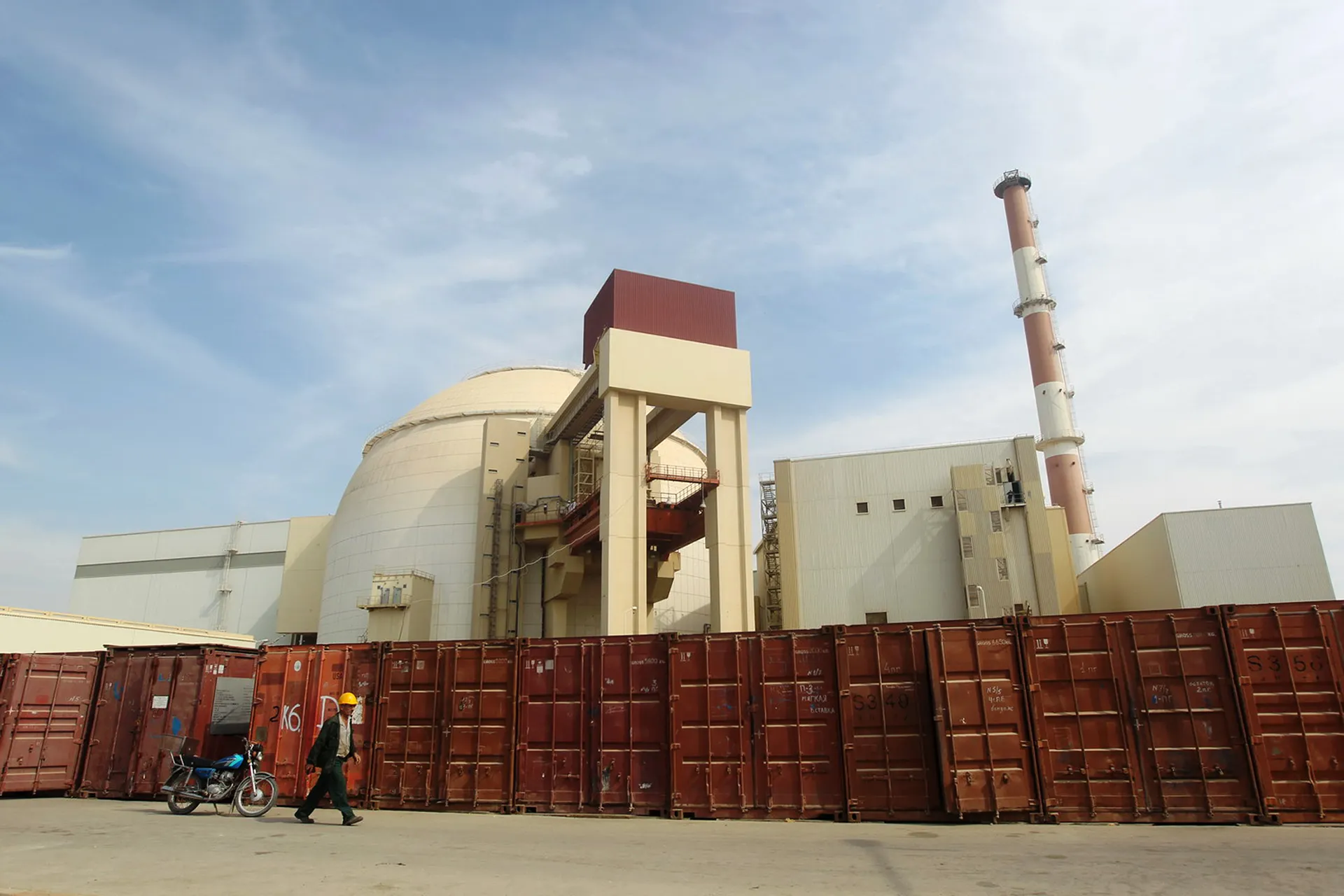
Recent developments indicate a potential escalation in the region following Iran's rejection of a ceasefire proposal from Washington. This rejection enhances the likelihood of the United States and Israel moving to a new phase characterized by targeting Iranian nuclear reactors, according to Dr. Khalid Al-Jaber, the Director General of the Middle East Council for International Affairs in Doha.
In his statements, Al-Jaber clarified that Iran has expressed its desire to achieve a permanent end to the war, rather than merely a temporary ceasefire. This position comes after Iranian Foreign Minister Abbas Araghchi announced that Iran would continue to defend its national sovereignty and territorial integrity.
Details of the Event
In a related context, U.S. President Donald Trump delivered a sharp speech, warning that the deadline given to Tehran to reach an agreement would soon expire. He emphasized that Iran would have to surrender, or it would lose all its vital facilities. Al-Jaber considered Trump's statements as a nail in the coffin of negotiations that hoped to achieve consecutive ceasefires, similar to what occurred in the Gaza Strip.
This escalation in political rhetoric reflects the region's approach to a new phase of tension, where military operations are expected to extend beyond targeting vital facilities to bombing nuclear reactors. Al-Jaber pointed out that media leaks suggest that the coming hours may witness an attack on the Bushehr nuclear reactor, especially after the withdrawal of Russian experts from it.
Context and Background
Historically, relations between Iran and the United States have witnessed increasing tensions, particularly after Washington's withdrawal from the nuclear agreement in 2018. This agreement represented a window of hope for many countries in the region; however, military and political escalation has returned matters to square one. Al-Jaber believes that Iran has shifted from patience in negotiations to what he described as 'political suicide,' complicating the regional situation further.
Moreover, Iran's insistence on its right to manage the Strait of Hormuz and collect transit fees has become a major point of contention with the United States and Gulf countries. This position could lead to greater military escalation if Iran continues to target oil facilities in the region.
Potential Consequences and Impacts
The potential consequences of this escalation could be severe for both regional and international security. Al-Jaber noted that each party claims victory, while everyone ultimately loses. If Iran maintains its hardline stance, it could lead to a comprehensive war that alters the region's landscape for decades to come.
Europeans, who had hoped to resolve the conflict through negotiations, may find themselves compelled to adopt harsher positions if the situation worsens. Their options are beginning to narrow, increasing the likelihood of their direct involvement in the conflict.
Significance for the Arab Region
The Arab region could be significantly affected by a potential escalation in the Iranian-American conflict. Gulf countries, which are closely monitoring the situation, may find themselves at the center of events if Iranian nuclear facilities are targeted. Al-Jaber confirmed that Gulf states are prepared for all scenarios, although they are currently focused on repelling Iranian attacks.
In conclusion, it appears that the situation in the region is heading towards further complexity, necessitating all concerned parties to consider the consequences of their actions. Military escalation could lead to unforeseen outcomes, highlighting the need for dialogue and negotiation as a means to avoid disaster.