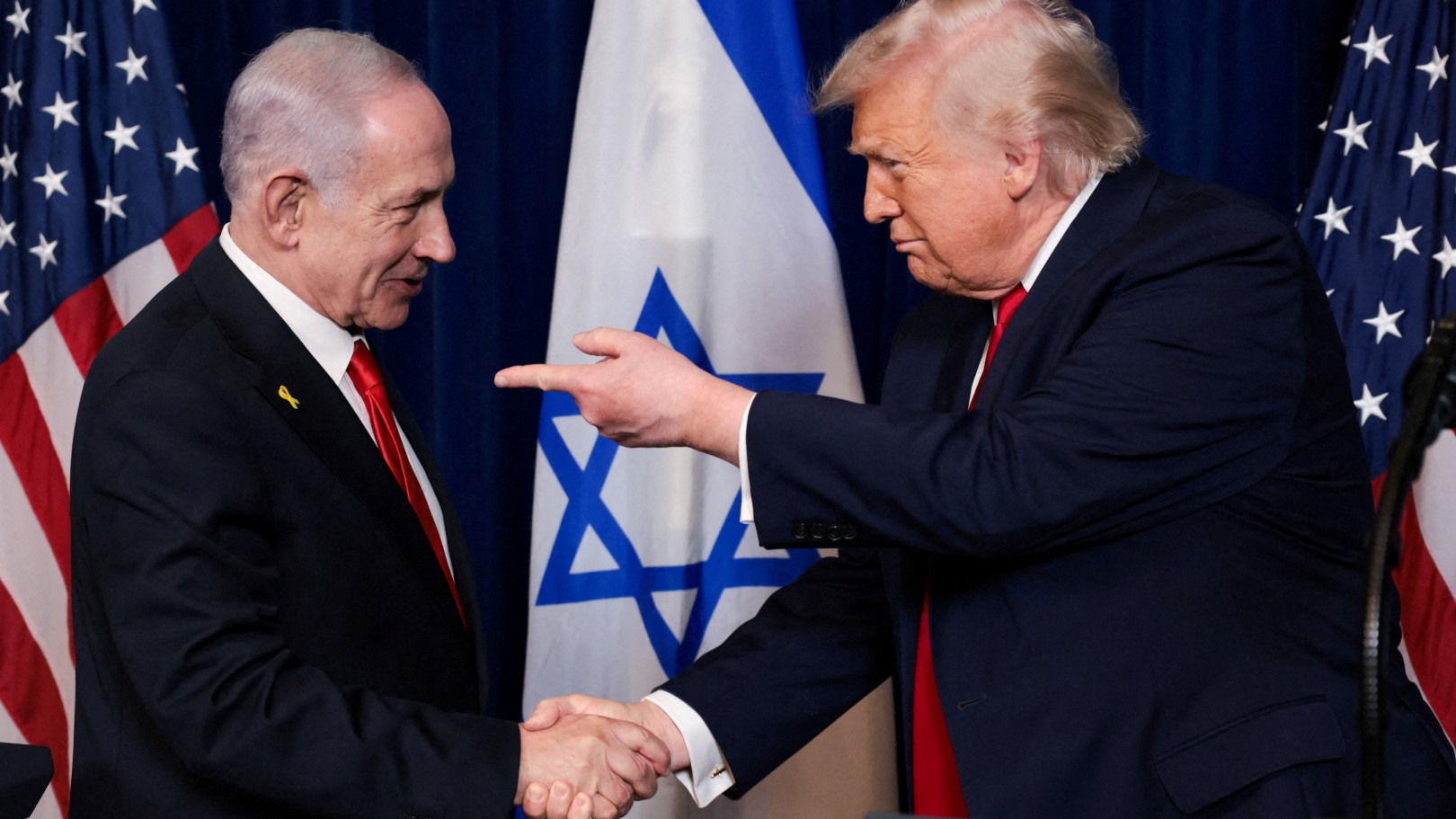
Tensions in the Middle East are escalating as Israel intensifies its attacks against Iran, with Israeli Prime Minister Benjamin Netanyahu seeking to convince U.S. President Donald Trump that a war on Iran would be similar to the war against Hezbollah in Lebanon. However, Israel's failure to achieve its objectives in Gaza raises questions about the viability of this strategy.
In a meeting between Trump and Netanyahu, the war on Iran was presented as an opportunity to reshape the Middle East, something previous U.S. presidents have failed to accomplish. However, Trump must take note of Israel's strategic and moral failures in Gaza, where attacks have continued for two years without eliminating the Hamas movement.
Details of the Event
Over the past few years, Israel has launched intensive attacks on Gaza, resulting in the destruction of civilian infrastructure and imposing a suffocating blockade on the population. Despite this, Hamas remains intact and controls the situation in Gaza, raising questions about Israel's ability to achieve its goals in Iran, which is significantly larger in size and population.
Iran, preparing to face any attack, possesses advanced military capabilities, including long-range missiles, making any military operation against it more complex. Surprises are expected if the United States and Israel decide to launch an attack on Iran, as Tehran has multiple strategies to respond to any aggression.
Background & Context
Historically, relations between the United States and Iran have been tense since the Islamic Revolution in 1979. These relations escalated significantly after Trump withdrew from the Iranian nuclear deal in 2018, increasing tensions in the region. Israel views Iran as an existential threat, prompting it to take preemptive actions against it.
In recent years, Israel has carried out assassinations against Iranian leaders, further complicating the situation. There are also concerns that any military escalation could lead to a full-scale war in the region, which could impact the global economy.
Impact & Consequences
The current tensions between the United States and Iran are a direct result of Israeli and American policies. If these tensions continue, they could lead to a comprehensive military escalation, threatening the stability of the region. Any escalation could also affect oil prices and global markets, potentially leading to a global economic crisis.
On the other hand, Iran seeks to strengthen its regional position by supporting its allies in the region, complicating the conflict further. Therefore, any escalation could lead to unprecedented repercussions on regional and international security.
Regional Significance
The tensions between the United States and Iran directly affect Arab countries, as many nations are concerned about the rising violence in the region. There are also fears that any escalation could lead to a flow of refugees into neighboring countries, increasing pressure on these nations.
Ultimately, the question remains about how the international community will handle these tensions. Will diplomacy succeed in containing the conflict, or will the region spiral into a cycle of violence?