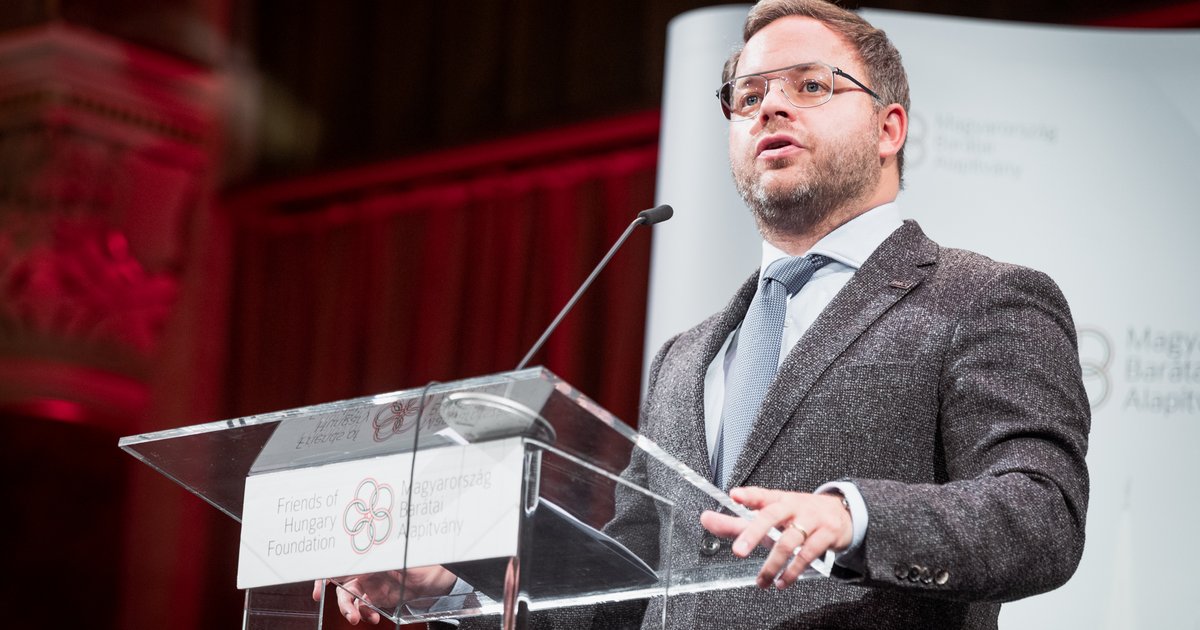
Hungarian Prime Minister Viktor Orban has taken advantage of the mistakes and complacency exhibited by some European leaders to enhance his authority and influence. In the context of changing political conditions in Europe, Orban has been able to exploit opportunities presented by political and economic crises, establishing himself as an illiberal leader.
Orban is considered one of the most prominent political figures in Europe, demonstrating a remarkable ability to turn circumstances to his advantage. He has strengthened his power through controversial policies, garnering substantial support from his popular base despite widespread criticism from the international community.
Details of Orban's Political Maneuvering
In recent years, many European countries have faced political and economic challenges, providing Orban with an opportunity to consolidate his power. He exploited the 2015 refugee crisis to adopt strict immigration policies, increasing his popularity among voters concerned about the impact of immigrants on their culture and economy.
Additionally, the response of European governments to the COVID-19 pandemic has been criticized, with Orban arguing that this response was inadequate. This allowed him to present himself as a strong leader capable of making decisive decisions during times of crisis.
Historical Context of Hungary's Political Landscape
Historically, Hungary has undergone significant political transformations since the fall of the communist regime in 1989. Since then, the country has built a democratic system, but Orban's rise to power in 2010 marked a turning point. He has consolidated his authority by amending the constitution and restricting press freedom, raising concerns among many international observers.
Consequences of Orban's Rise
Orban's ascent reflects a shift in European politics towards nationalism and populism, which could impact the future of the European Union as a whole. With increasing support for populist parties in other countries, the democratic values upon which the EU was founded may be threatened. Moreover, the policies adopted by Orban could inspire other leaders in Europe, leading to further tensions among EU member states.
Regional Significance and Future Implications
This story highlights how political missteps can empower populist leaders, reflecting the challenges of democracy in Europe. The implications of Orban's policies extend beyond Hungary, potentially influencing political dynamics across the continent.
As the situation evolves, it is crucial for European democracies to address these challenges and reinforce democratic values to prevent further erosion of political freedoms.