Tensions in the Middle East continue to escalate as military pressures between Iran and Israel increase, raising fears of a larger conflict in the region. While U.S. President Donald Trump sends mixed signals about the possibility of reaching a diplomatic agreement, Iranian leadership continues to deny any negotiations with Washington.
According to reports, Washington has sent a proposal to Iran that includes conditions for limiting its nuclear program and a ceasefire, while Trump claims that "this war has been won." In response, a spokesperson for the Iranian military rejected these claims, asserting that "do not call your failure an agreement."
Details of the Event
In the context of military escalation, the Iranian Revolutionary Guard announced the launch of a new wave of attacks targeting Israeli military sites, indicating that these operations represent "the beginning of targeting Zionist forces in northern Palestine and the Gaza Strip." This escalation comes at a sensitive time, as fears of an all-out armed conflict in the region are increasing.
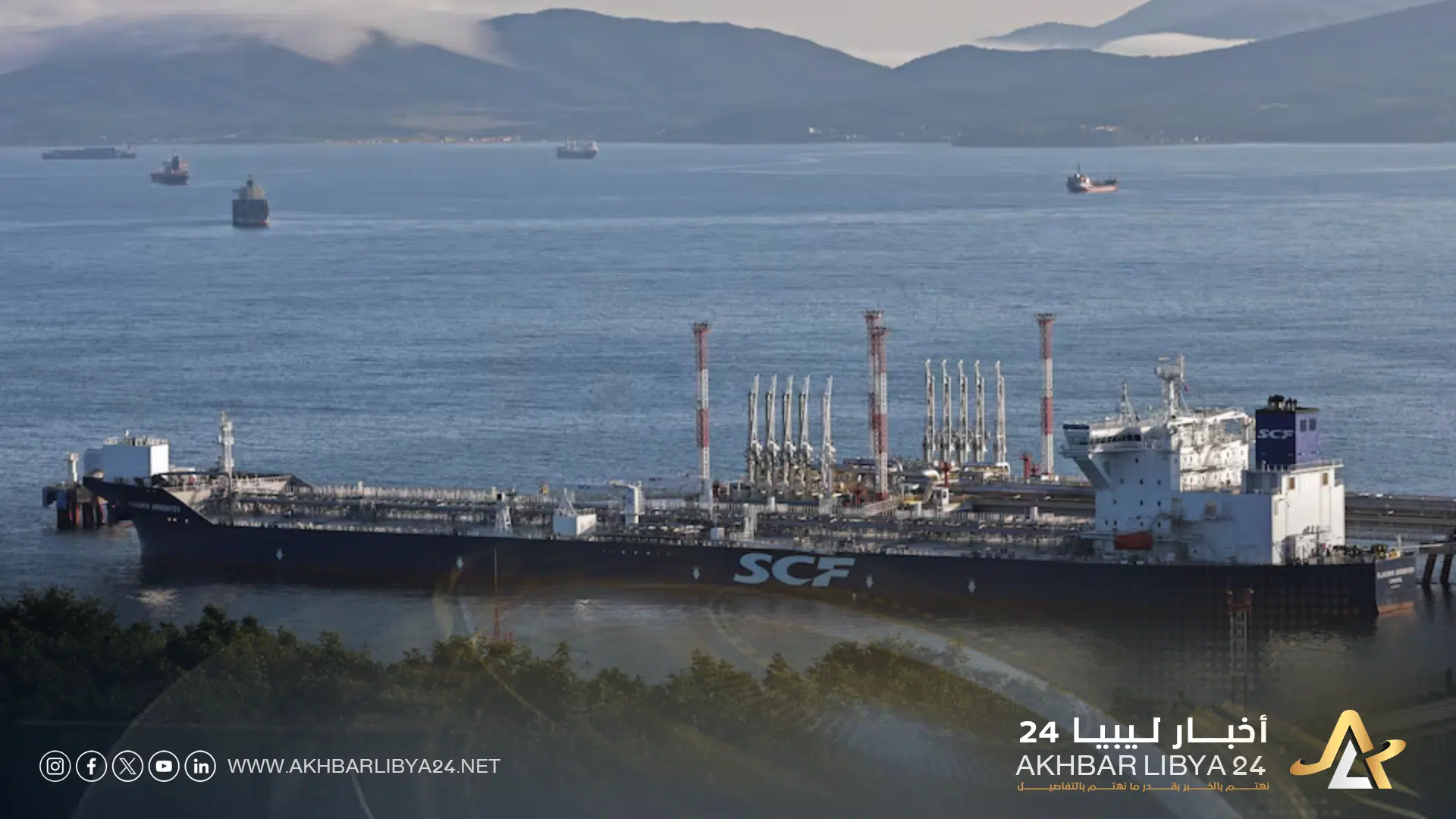
On another front, oil prices have dropped by more than 5% amid renewed talks of diplomacy, with the CEO of Shell warning that fuel shortages could reach Europe next month. The Philippines also declared a national energy emergency due to supply disruptions, reflecting the potential global impacts of tensions in the Middle East.
Background & Context
Historically, relations between Iran and Israel have been tense, with Iran considering Israel a major enemy in the region. Since the 1979 Islamic Revolution in Iran, tensions between the two countries have escalated, leading to a series of military confrontations and intelligence operations. In recent years, concerns over Iran's nuclear program have prompted the United States and its allies to impose strict sanctions on Tehran.
These events coincide with rising tensions in the Middle East, where regional and international powers intervene in ongoing conflicts. The Israeli-Palestinian conflict remains one of the most prominent issues affecting stability in the region, with increasing attacks from both sides.
Impact & Consequences
These rising tensions could have serious repercussions for regional and international security. An escalation of military actions between Iran and Israel could lead to a comprehensive conflict, threatening the stability of neighboring countries and impacting global oil prices. Additionally, any escalation may lead to military interventions by the United States or other countries, complicating the situation further.
Moreover, the decline in oil prices could affect the global economy, especially amid the economic crises facing many countries. The state of emergency in the Philippines indicates that disruptions in the Middle East could impact energy supplies in distant regions.
Regional Significance
These developments are significant for the Arab world, as any escalation in the conflict between Iran and Israel could directly affect security and stability in neighboring Arab countries. These events may also reopen discussions about regional alliances, as some countries may seek to strengthen their ties with the United States or even with Iran.
In conclusion, the situation in the Middle East remains complex, with regional and international interests overlapping. It is crucial to closely monitor developments, as any changes in this context could impact the future of the entire region.