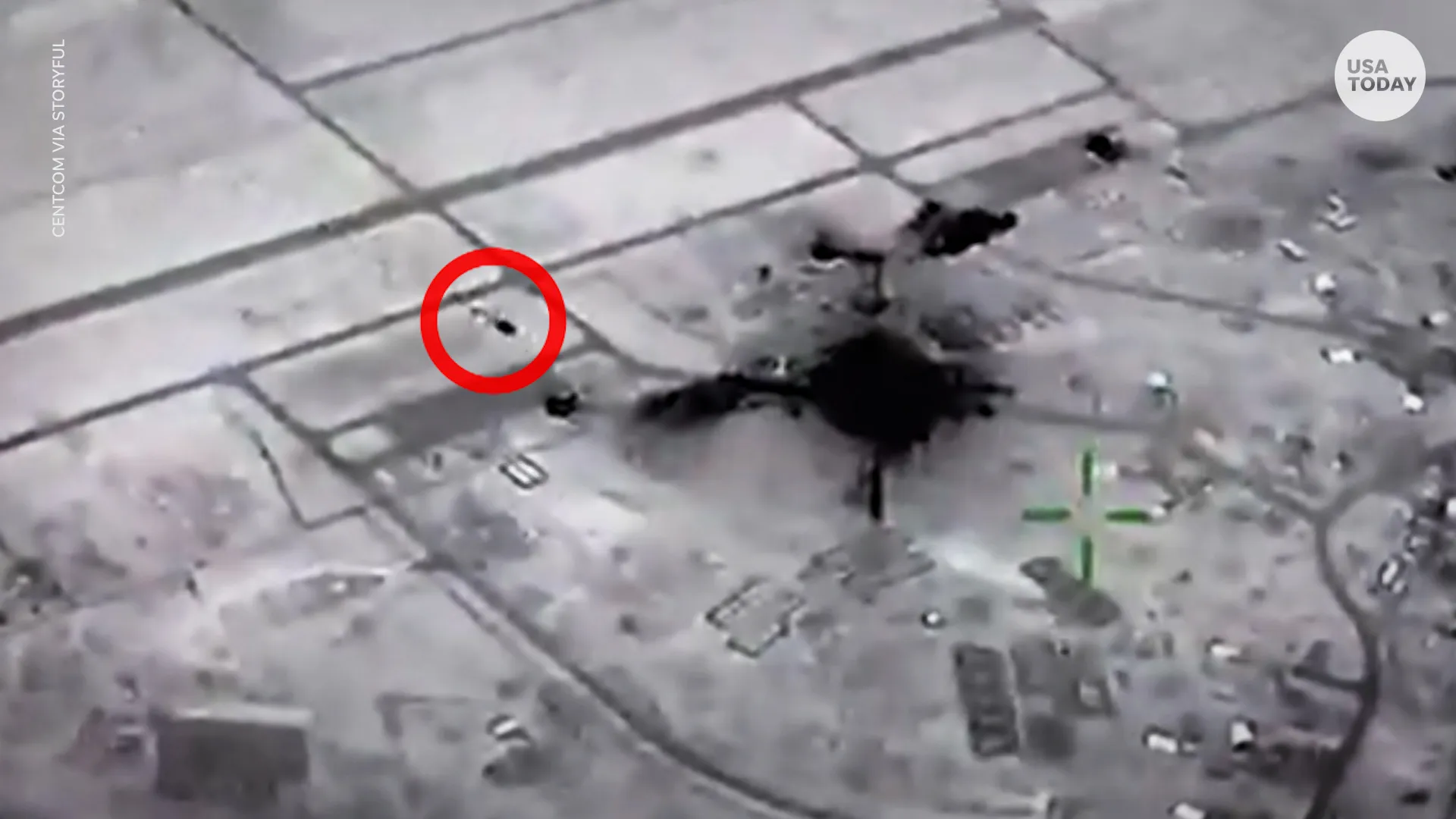
Tehran experienced power outages following missile strikes on Sunday, as Iran and its allies targeted U.S. and allied positions in the region. These events come at a sensitive time, with thousands of U.S. troops sent to the area to bolster military presence amid escalating tensions.
The missile attacks targeting Tehran are part of a continuous escalation between Iran and the United States, raising fears of an intensifying military conflict in the region. Reports indicate that the strikes targeted U.S. military sites in Iraq, complicating the security situation in the Middle East.
Details of the Incident
On Sunday, parts of Tehran experienced power outages due to the missile strikes. These attacks come at a critical moment, as Iran and its allies seek to send a strong message to the United States and its allies in the region. Increased U.S. military movements have been observed, with thousands of soldiers deployed to the area as part of the military buildup.
These attacks are considered part of Iran's strategy to respond to the military and political pressures it faces from the United States. Military sources confirmed that the strikes were precise and aimed at damaging U.S. military capabilities in the region.
Background & Context
Historically, relations between Iran and the United States have been increasingly tense since the Islamic Revolution in 1979. These tensions have led to a series of military and economic conflicts, including economic sanctions imposed by the United States on Iran. In recent years, these tensions have significantly escalated following the U.S. withdrawal from the Iranian nuclear deal in 2018.
Iran is considered one of the major regional powers in the Middle East, with close ties to several armed groups in the area, such as Hezbollah in Lebanon and Shiite militias in Iraq. These relationships complicate efforts by the United States and its allies to achieve lasting stability in the region.
Impact & Consequences
The recent escalation in tensions between Iran and the United States could have serious implications for regional security. These events are likely to lead to an escalation of military conflict, threatening the stability of the entire region. Additionally, increased U.S. military presence may provoke military responses from Iran and its allies, heightening the risk of widespread conflict.
Moreover, these tensions could impact oil prices and the global economy, as the Middle East is one of the world's most important oil-producing regions. Any escalation in conflict could lead to rising oil prices, affecting the global economy as a whole.
Regional Significance
Arab countries neighboring Iran, such as Iraq and Syria, are the most affected by the current tensions. These countries have already experienced the impacts of the Iranian-American conflict, complicating their security and political situations. Increased tensions may also lead to a flow of more refugees into neighboring Arab countries, adding pressure on these nations.
In conclusion, the recent escalation of tensions between Iran and the United States poses a real threat to regional security, prompting Arab countries to take serious steps to address these challenges. It is crucial for Arab nations to enhance security and political cooperation to confront these growing challenges.