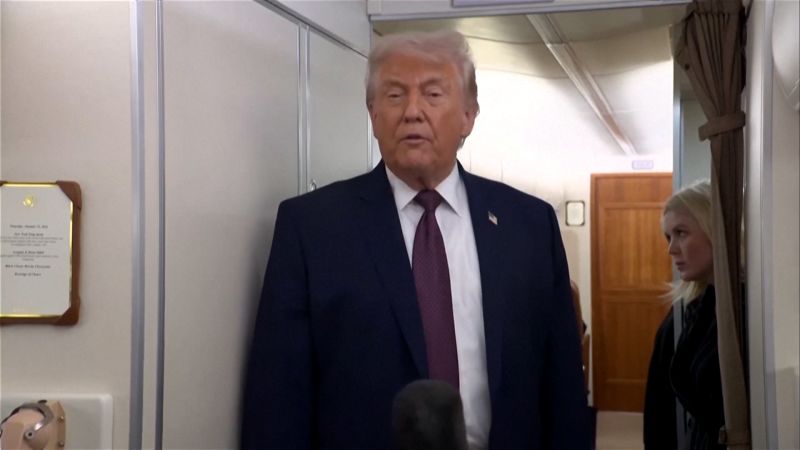
Amid escalating tensions between the United States and Iran, Bonnie Talwar, an advisor to former President Barack Obama, confirmed that Iran still believes it is in a position of strength. These remarks were made during a conversation with Katy Grimes on "The Close," addressing the current situation following President Donald Trump's renewed threats against Tehran.
Talwar pointed out that the arrival of U.S. forces in the region reflects Washington's concern over Iranian activities, but at the same time, it also reflects Iran's belief that it can withstand these pressures. This statement comes at a sensitive time as fears of a potential military escalation in the region increase.
Details of the Event
Tensions between the United States and Iran are intensifying as both sides continue to showcase their military might. Trump announced the reinforcement of the U.S. military presence in the region as part of a response to Iranian threats, which heightens anxiety in the Middle East. In this context, Talwar believes that Iran still retains its maneuverability, allowing it to challenge U.S. pressures.
The U.S. military movements come at a critical time, as Iran continues to develop its nuclear program and expand its influence in the region, complicating the security landscape. Tehran has repeatedly expressed its readiness to respond to any threats, raising questions about the possibility of military escalation.
Background & Context
Historically, U.S.-Iranian relations have seen increasing tensions since the Islamic Revolution in 1979. Since then, there have been several attempts at negotiation, but they often ended in failure. The nuclear agreement reached in 2015 was a turning point, but the U.S. withdrawal from it in 2018 brought relations back to square one.
Today, Iran is considered one of the most influential countries in the Middle East, playing a pivotal role in regional conflicts, including in Iraq, Syria, and Lebanon. This influence makes it difficult for the U.S. and its allies to ignore Iranian activities, complicating any diplomatic efforts.
Impact & Consequences
The escalation of tensions between the United States and Iran could lead to serious repercussions for regional security. Should military escalation occur, it may draw other countries into the conflict, increasing instability in the region. Additionally, any military confrontation could affect oil prices and global markets, negatively impacting the global economy.
Furthermore, the ongoing tensions could affect relations between the United States and its allies in the region, as some countries may find themselves in a precarious position between supporting Washington or maintaining their ties with Tehran.
Regional Significance
Arab countries neighboring Iran are in a sensitive position, as they could be directly affected by any military escalation. Countries like Iraq, Syria, and Lebanon may find themselves in the midst of the conflict, increasing security and humanitarian risks. Additionally, Gulf Cooperation Council countries, which rely on regional stability, may face new challenges amid these tensions.
In conclusion, the current situation requires the international community to work towards de-escalating tensions and avoiding any escalation that could lead to armed conflict. Diplomatic dialogue is the only way to ensure stability in the region and achieve lasting peace.