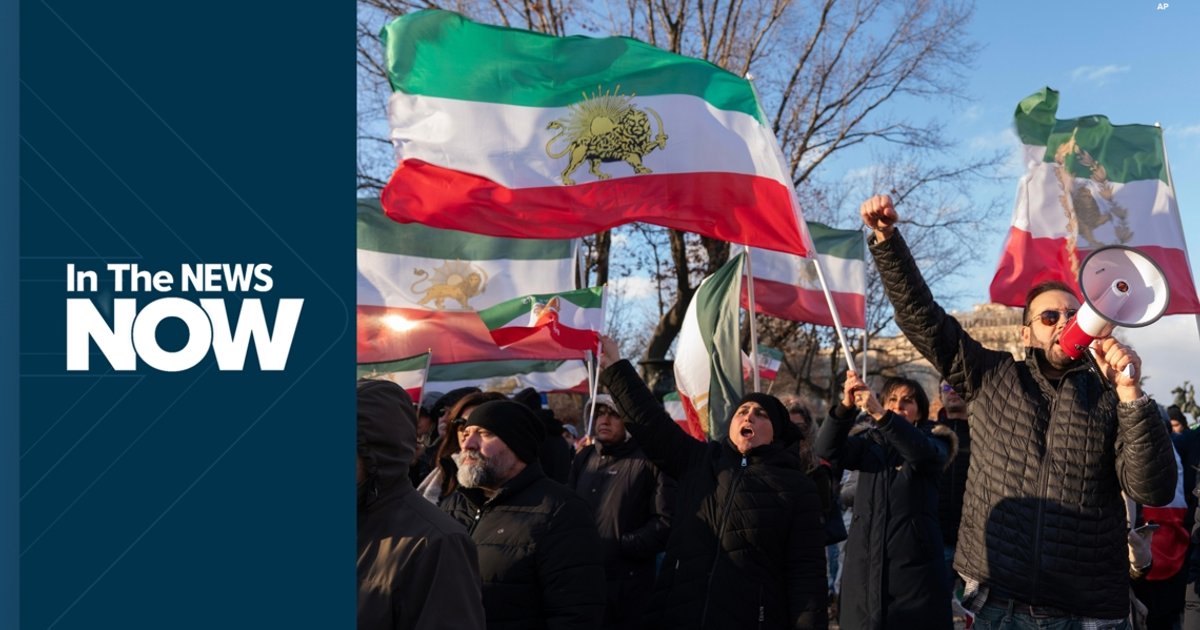
As President Donald Trump seeks victory in the ongoing conflict against Iran, the possibility of deploying ground forces emerges. Various scenarios are being considered, but the associated risks raise concerns.
Tensions are escalating in the Middle East, where Iran continues to bolster its influence in Iraq, Syria, and Lebanon, raising alarms for the United States and its allies, particularly Israel. In this context, attention is turning to Trump's military options, which may include ground intervention as a means to achieve strategic objectives.
Details of the Situation
Reports indicate that the US administration is considering the possibility of sending ground troops to the region as part of its strategy to counter Iranian activities. This comes at a time when threats from Tehran are escalating, including the development of its nuclear program and increased support for armed groups in the region.
Ground intervention is considered a risky option, as it could significantly escalate the conflict. Many military experts have warned that this option could drag the United States into a new quagmire of conflicts, similar to what occurred in Iraq and Afghanistan.
Background & Context
Historically, relations between the United States and Iran have been tense since the Islamic Revolution in 1979. These relations have seen a notable escalation in recent years, particularly after the US withdrew from the Iranian nuclear agreement in 2018. Since then, Washington has imposed strict economic sanctions on Tehran, further intensifying tensions.
At the same time, Iran is seeking to enhance its regional influence by supporting armed groups such as Hezbollah in Lebanon and Shiite militias in Iraq. These dynamics make it difficult for the United States and its allies to take effective actions without incurring significant costs.
Impact & Consequences
If a ground intervention plan is executed, it could lead to an unprecedented escalation of the conflict in the region. Iran is likely to respond strongly, potentially dragging regional countries into a broader conflict. Additionally, military intervention could impact US relations with its allies in the region, who may hesitate to support such a move.
Moreover, ground intervention could heighten tensions between the United States and Russia, which views Iran as a strategic ally. This escalation could negatively affect regional stability and complicate the situation in the Middle East.
Regional Significance
Arab countries are directly affected by any military escalation in the region. Ongoing conflicts in Iraq, Syria, and Yemen make it difficult for Arab nations to achieve stability. Furthermore, any US intervention could exacerbate sectarian divisions in the region, threatening the national security of Arab states.
Ultimately, the question remains: will the United States lean towards a ground military option, or will it seek diplomatic solutions to avoid escalation? What is certain is that the region is anxiously awaiting the developments in the coming days.