Events are accelerating in the escalating military confrontation between Iran on one side and the United States and Israel on the other, as this confrontation enters its thirtieth day. With the expansion of bombardment and multiple fronts, strong indicators emerge of a potential limited American ground operation targeting Iranian coasts, specifically around the Strait of Hormuz.
In this context, an interactive map revealed notable field developments, as Israel intensified its strikes deep within Iran. The Israeli army announced targeting approximately 100 sites within 24 hours, including missile launch platforms and various military sites in major cities such as Isfahan, Tehran, Karaj, Shiraz, Bushehr, and Khuzestan. Civilian facilities were also targeted, including the Isfahan University of Technology and water tanks in the Haftgel area, as well as docks in Bandar Khamir in Hormozgan Province.
Details of the Event
This expansion of strikes reflects a shift in military operations to a more sensitive geographical depth within Iran, with a particular focus on infrastructure related to missile capabilities. At the same time, colleague Abdel Qader Arada reported an increase in Iranian missile attacks towards southern occupied Palestinian territories, where sirens sounded approximately 40 times within 24 hours in several areas, especially in Dimona, Beersheba, and the Negev. Reports indicated that Iran launched 3 missiles in one batch, two of which were intercepted while the third fell in an open area.
This coincided with attacks from Yemen, where the Houthis announced the execution of missile strikes towards the city of Eilat on the Red Sea, reflecting an expansion of the regional engagement circle.
Background & Context
The most significant development in the military scene is the increasing talk of a potential American ground intervention. Arada cited media reports, including from the Washington Post, that the U.S. Department of Defense (Pentagon) is considering conducting a ground operation targeting coastal areas in southern Iran with the aim of destroying missile platforms near the coasts, particularly around the Strait of Hormuz.
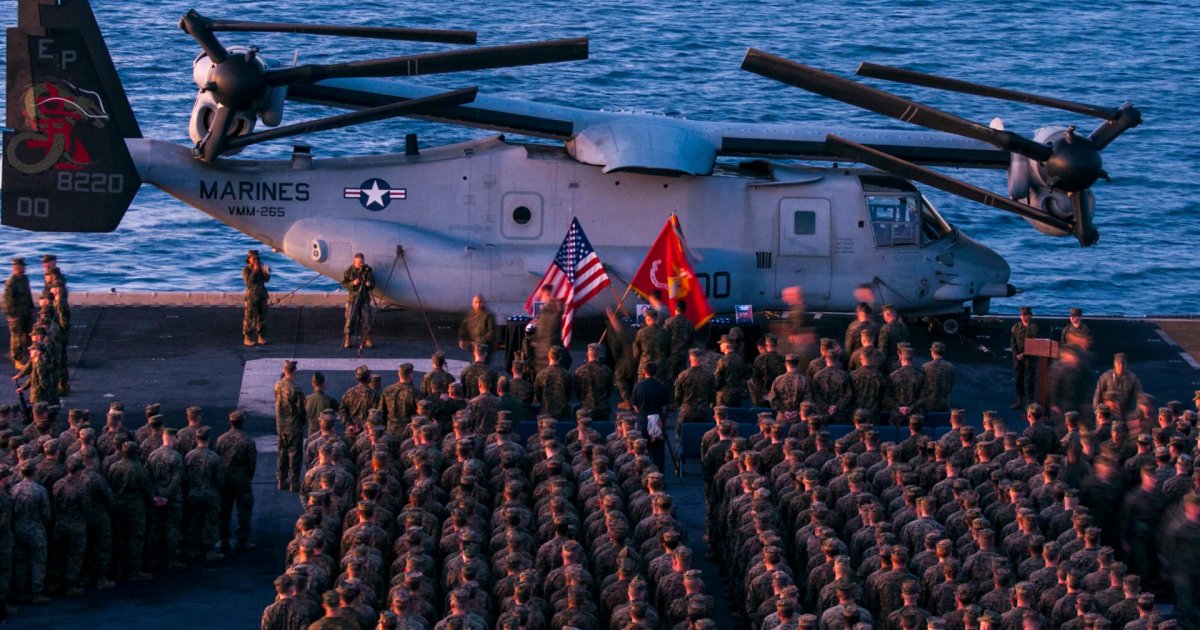
He also noted the arrival of the amphibious ship USS Tripoli in the Central Command operational area, carrying thousands of Marines, along with reconnaissance units. Additionally, the ship USS Boxer has moved from Japan, reflecting the enhancement of American amphibious capabilities in the region.
Impact & Consequences
According to the data, any potential ground operation could last for about two months, focusing on controlling the beaches without deep incursions into Iranian territory. Reports have circulated about the possibility of the United States attempting to seize the Iranian island of Khark, which houses important oil facilities and is considered the backbone of the country's economy.
Commenting on recent developments, military and strategic expert Colonel Nidal Abu Zaid stated that the nature of the targets within Iran has undergone a clear transformation, as strikes have entered the "highly sensitive strategic depth." He explained that the focus has begun to extend to areas like Yazd (central), which has a complex geographical nature, giving Iran an air superiority that limits the effectiveness of American air superiority.
Regional Significance
These developments coincide with an Iranian characterization of the current phase as "sensitive," amid mutual depletion and a decline in the effectiveness of some offensive capabilities. Abu Zaid pointed to the use of the term "Winchester" in American reports, a military expression indicating the approach of ammunition depletion. The United States has used approximately 850 Tomahawk missiles over the past 30 days, reflecting increasing pressure on missile capabilities.
Conversely, Iran is also suffering from depletion in launch platforms and guidance systems, affecting the accuracy of strikes, as most missiles are either intercepted or fall in open areas. This data suggests that the upcoming phase may witness greater military escalation, complicating the security situation in the region.
In conclusion, the conditions in the region remain poised for further tension, as military and diplomatic pressures increase, necessitating close monitoring by the international community.