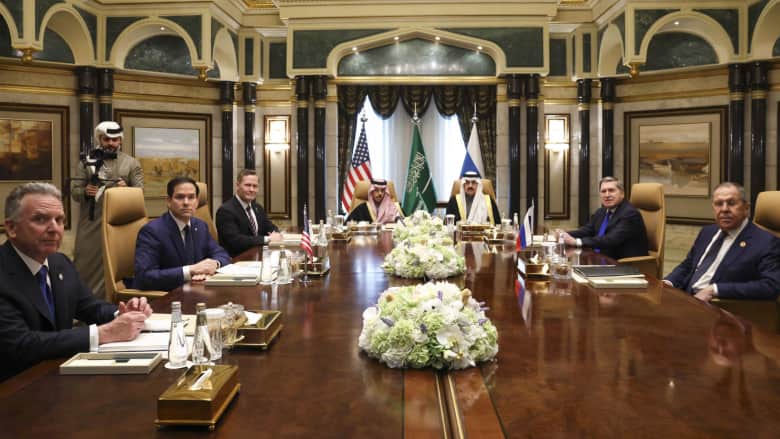
Fears are rising over a potential resumption of war between the United States and Iran, one month after Washington's ceasefire decision. President Donald Trump continues to assert the effectiveness of economic pressure on Tehran, which is manifested in the closure of the Persian Gulf south of the Strait of Hormuz.
As tensions escalate, the world is watching for reactions from various stakeholders, including Russia, which plays a pivotal role in this conflict. Russian President Vladimir Putin, known for his balanced positions, may have a significant impact on the unfolding events.
Details of the Situation
Since the beginning of the third month of the Gulf War, the region has been in a state of waiting and anticipation. After four weeks of the United States' ceasefire decision, the situation remains tense. Trump, facing both domestic and external pressures, bets that economic pressure will force Iran to retreat from its aggressive policies.
In this context, reports indicate that Iran may be prepared to respond to any escalation from the United States, increasing the likelihood of a new conflict. The situation in the Persian Gulf remains sensitive, as the Strait of Hormuz is a strategic point for oil transportation.
Background & Context
Historically, US-Iranian relations have seen increasing tensions since the Iranian Revolution in 1979. The economic sanctions imposed by the United States on Iran have been part of its strategy to pressure Tehran, but these policies have often not yielded the desired results.
The current US strategy focuses on closing the Strait of Hormuz, which many observers consider a provocative step that could lead to a military response from Iran. Conversely, Iran seeks to strengthen its regional and international alliances to counter US pressures.
Impact & Consequences
If hostilities resume, it could have serious repercussions for regional and global security. Oil prices could be significantly affected, impacting the global economy. Additionally, any escalation could lead to the region sliding into a full-scale war, a scenario that many fear.
The tensions between the US and Iran are not merely a bilateral conflict but have wide-ranging effects that include other countries in the region such as Iraq and Syria, where US and Iranian forces are present. These complex dynamics make it difficult to predict the course of events.
Regional Significance
For Arab countries, the rising tensions between the US and Iran represent a significant challenge. Many Gulf states rely on regional stability to ensure their economic and political security. Any escalation could destabilize these countries, complicating the situation in the region.
In conclusion, the situation in the Persian Gulf remains tense, with the possibility of war resuming. The international community must work to find diplomatic solutions to avoid escalating tensions, as war would not be in the interest of any party involved.