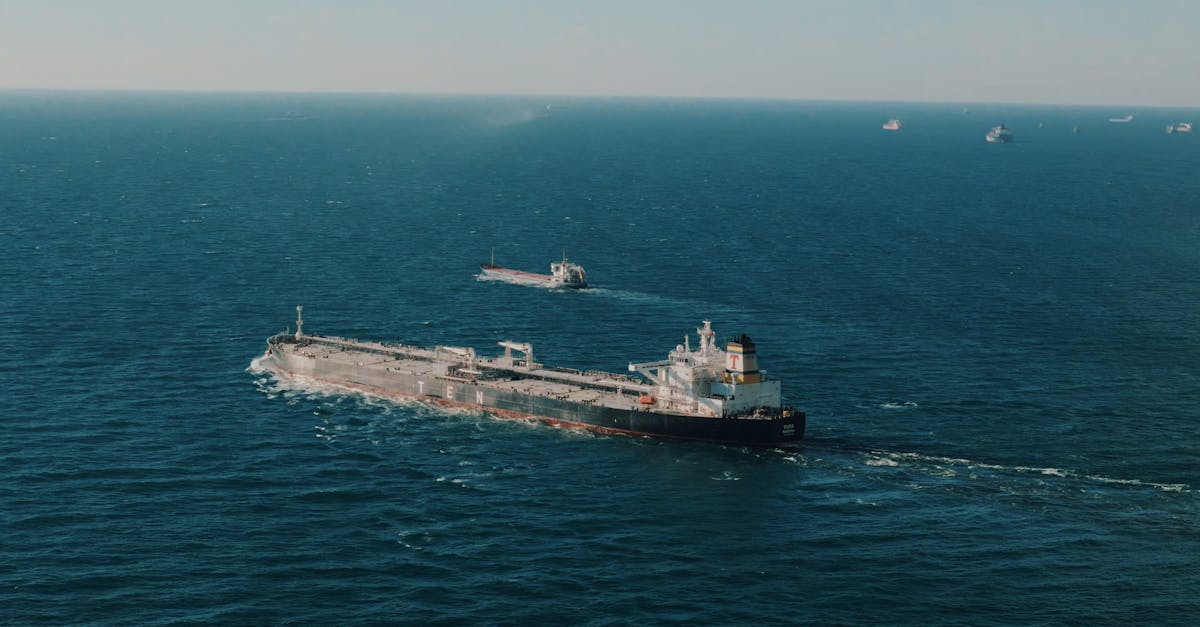
Tensions are escalating in the Gulf region as both the United States and Iran confirm receipt of a ceasefire plan, while U.S. President Donald Trump warns of severe consequences if the Strait of Hormuz remains closed. This development comes at a highly sensitive time, as the strait is a vital artery for the transport of oil and natural gas, and is witnessing ongoing escalation in tensions between Tehran and Washington.
In statements made by Trump, he emphasized that the United States would not hesitate to take stringent actions if the closure of the strait continues, indicating that it could lead to "hell" for those attempting to disrupt navigation. These remarks come amid growing concerns about the impact of the strait's closure on global oil markets, where approximately 20% of total oil transported by sea passes through this waterway.
Details of the Event
Both the United States and Iran have received a ceasefire plan, opening the door for the possibility of a peaceful resolution to the escalating crisis. This plan was revealed at a time when military tensions are rising, as the two nations exchange accusations regarding the targeting of commercial vessels in the region. This development is seen as a positive step towards de-escalating tensions, yet doubts remain about the intentions of both parties.
In a related context, media reports have confirmed that there are intensive diplomatic efforts being made by other countries in the region, such as Oman, which is playing a mediating role in an attempt to calm the situation. However, the question remains about the seriousness of both parties in adhering to the ceasefire plan, especially in light of the mutual hostile statements.
Background & Context
Historically, the Strait of Hormuz is a strategic point in the Gulf region, having witnessed numerous conflicts and disputes. For years, U.S.-Iran relations have been tense, particularly following Trump's withdrawal from the Iranian nuclear deal in 2018. This withdrawal led to the imposition of severe economic sanctions on Iran, further exacerbating tensions.
Iran considers the Strait of Hormuz an essential part of its defense strategy, threatening to close it if its interests are jeopardized. On the other hand, the United States seeks to ensure freedom of navigation in the region, increasing the likelihood of military escalation if no agreement is reached.
Impact & Consequences
If the situation continues as it is, it could lead to serious repercussions for the global economy, as oil prices could rise significantly due to any disruption in navigation through the strait. Furthermore, military escalation could drag other countries into the conflict, complicating the situation in the region.
Moreover, any escalation in tensions could negatively impact regional security, as attacks on commercial vessels may increase, threatening global trade. Therefore, reaching an agreement for a ceasefire is an urgent necessity to avoid further escalation.
Regional Significance
The Arab countries neighboring the Strait of Hormuz, such as the United Arab Emirates and Saudi Arabia, are the most affected by the current tensions. The economies of these countries heavily rely on oil exports, and any disruption in navigation could adversely affect their revenues. Additionally, these tensions may lead to increased political divisions in the region, hindering regional cooperation efforts.
In conclusion, hope remains that the ceasefire plan will lead to a calming of the situation in the region and that both parties can overcome their differences. The stability of the Strait of Hormuz is vital not only for the region but for the entire world.