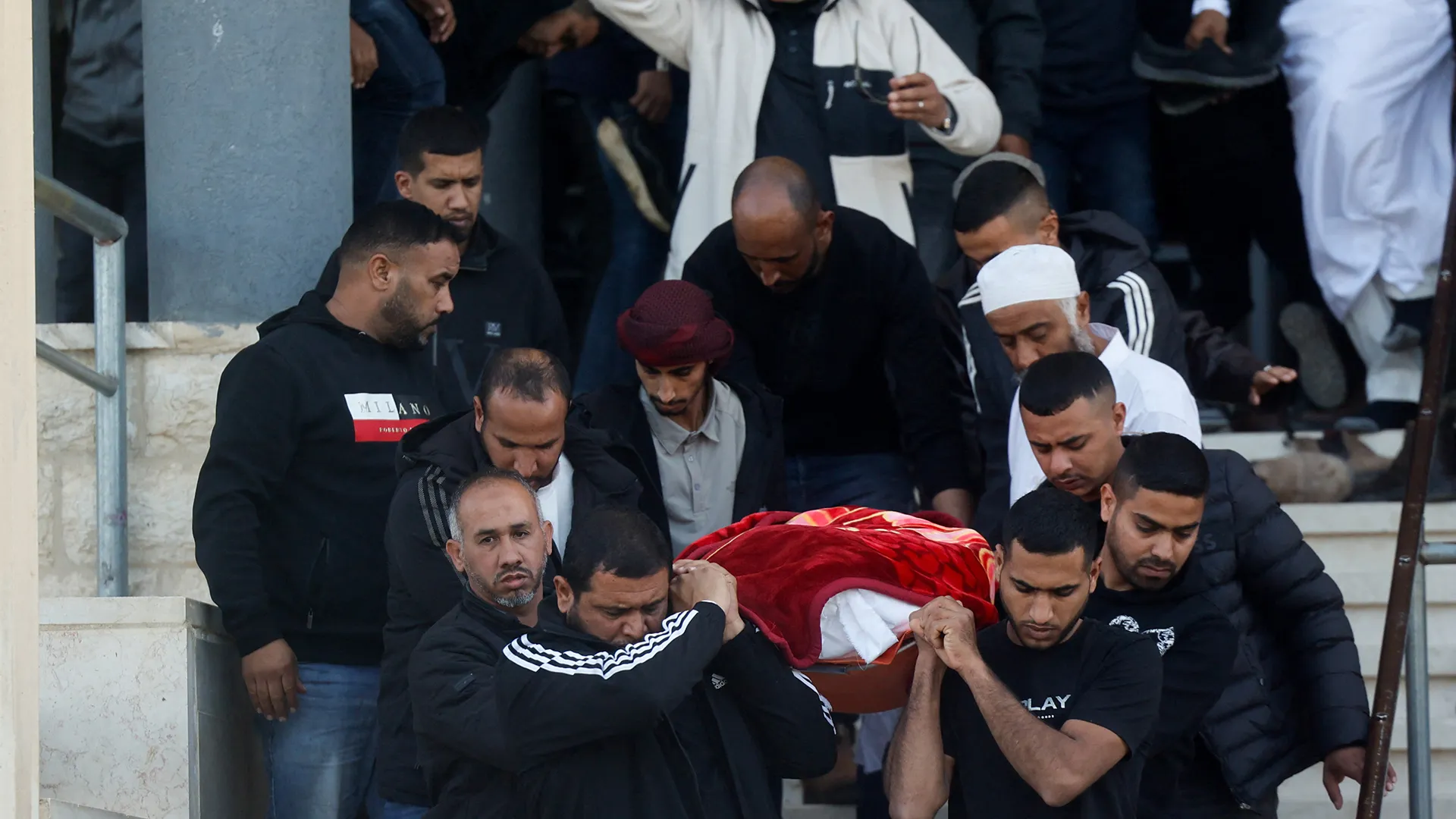
The streets of Israel are engulfed in chaos and escalating violence, raising concerns among residents who live in an atmosphere of tension and anxiety. With the absence of an effective government response, the police seem powerless to confront this challenge, further increasing citizens' frustration.
Haaretz highlighted this phenomenon, noting that fear has become a widespread condition in Israeli society. The newspaper criticized the police's performance, asserting that they operate according to the government's priorities, which negatively impacts their ability to handle rising crime issues. It also added that the authorities lack seriousness in addressing these matters, especially given the current police minister who has previously been convicted of crimes.
Details of the Incident
Reports of violence are increasing across various Israeli cities, where local communities face daily riots and assaults. This situation raises questions about the effectiveness of security agencies and their ability to protect citizens. Studies have shown a decline in trust between citizens and the police, complicating the situation further.
In a related context, The New York Times discussed the political stalemate between the United States and Iran, where both parties are living in a state of ongoing tension. The analysis indicated that the current situation could be described as "neither war nor peace," further complicating the regional landscape.
Context and Background
Historically, Israel has experienced periods of violence and conflict, but the current situation appears more complex due to the absence of effective political solutions. The Israeli government faces both internal and external challenges, affecting its ability to address security issues. Additionally, regional tensions cast a shadow over the internal situation, complicating the landscape even further.
In this context, the British Prime Minister's Secretary warned that the repercussions of the war in Iran would impact the global economy, with expectations that food and fuel prices will continue to rise long after the conflict ends. These warnings reflect the growing concern over the effects of regional conflicts on the global economy.
Consequences and Impact
There are increasing fears that the continuation of violence in Israel could exacerbate security conditions, potentially affecting stability in the region. Moreover, the lack of effective political solutions may lead to worsening humanitarian and social crises. At the same time, the situation in Iran adds a new dimension to the crisis, as tensions between major powers escalate.
Warnings about the repercussions of conflicts on the global economy suggest that the situation may be more complicated than it appears, as any escalation in violence could worsen economic and social crises in the region.
Impact on the Arab Region
The situation in Israel has direct implications for neighboring Arab countries, as the rise in violence could lead to increased tensions in the region. Additionally, the lack of stability in Israel may affect peace efforts, complicating relations between Arab states and Israel.
In conclusion, the situation in the streets of Israel requires an urgent and effective response from the government and police, as the continuation of violence could have dire consequences for security and stability in the region.