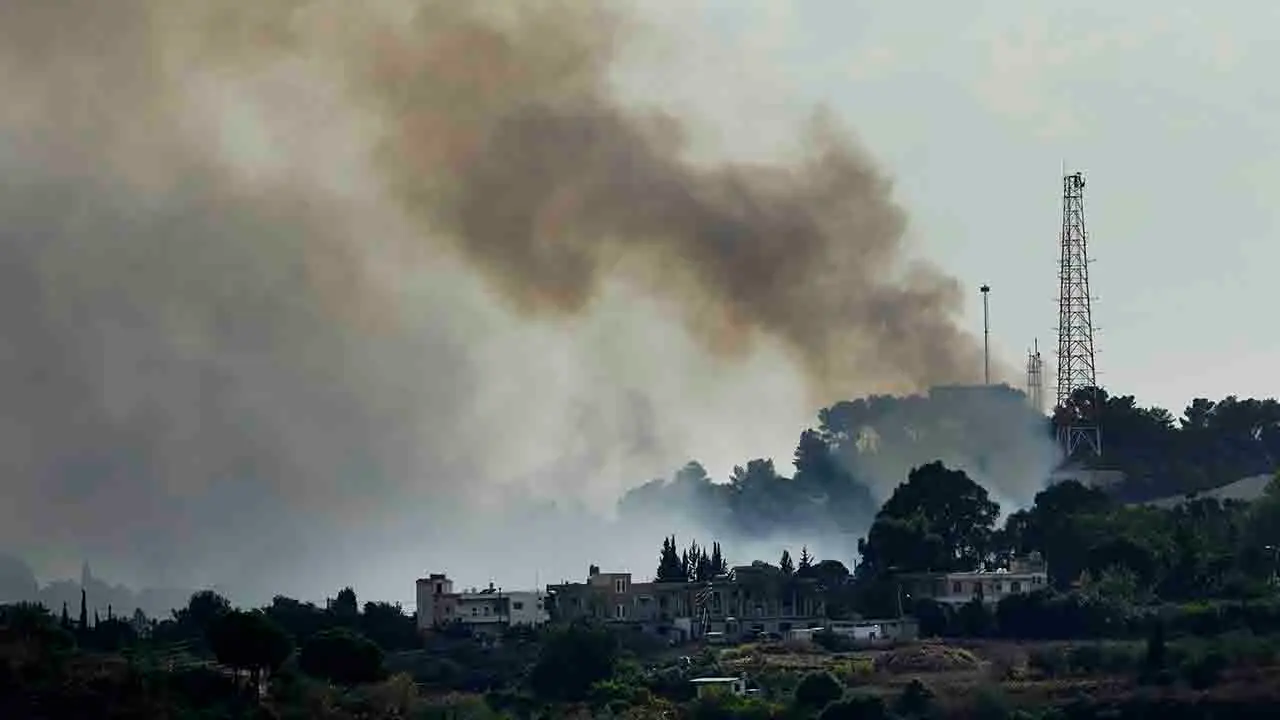
The ongoing escalation in southern Lebanon has led to the deaths of three Indonesian peacekeeping soldiers, highlighting the increasing tensions in the region. The incident occurred at a sensitive time, as clashes between armed groups and government forces are intensifying, raising concerns about the deteriorating security situation in Lebanon.
This incident is part of a series of violent events that have recently plagued the region, as the intensity of the conflict between various parties increases, placing peacekeeping forces in a difficult position. The Indonesian troops were deployed as part of the United Nations peacekeeping mission in Lebanon, which aims to promote stability in the area.
Details of the Incident
The incident took place in southern Lebanon, where the Indonesian forces were patrolling as part of their peacekeeping mission. The troops came under fire from armed groups, resulting in the deaths of the three soldiers and injuries to others. This incident reflects the significant challenges faced by peacekeeping forces in complex conflict environments.
It is noteworthy that the Indonesian peacekeeping forces have been deployed in Lebanon since 2006, following the Israeli-Lebanese war. Since then, these forces have played an important role in maintaining calm in the region, despite ongoing tensions.
Background & Context
Lebanon has a long history of internal and external conflicts, having been affected by numerous regional disputes. Since the end of the Lebanese Civil War in 1990, the country has attempted to rebuild itself, but it still faces significant challenges, including political and economic corruption, as well as sectarian tensions.
In recent years, tensions in Lebanon have escalated due to economic and political crises, leading to widespread popular protests. The presence of armed groups, such as Hezbollah, further complicates the security situation, as the interests of these groups intersect with broader regional dynamics.
Impact & Consequences
The deaths of the Indonesian soldiers could have significant implications for peacekeeping efforts in Lebanon. This incident may increase pressure on the United Nations mission, potentially limiting its ability to operate effectively. It could also escalate tensions between armed groups and the Lebanese state, threatening stability in the region.
Additionally, this incident may affect relations between Indonesia and other countries involved in peacekeeping missions, as greater coordination will be required to ensure the safety of soldiers operating in conflict zones.
Regional Significance
The events in Lebanon are part of a broader context of tensions in the Middle East. The conflict in Lebanon impacts stability in neighboring countries, such as Syria and Palestine. The escalation of violence in Lebanon may raise concerns about the spread of conflict to other countries in the region.
Under these circumstances, it becomes essential for Arab nations and the international community to enhance peace and stability efforts in Lebanon to prevent further deterioration of the security situation.
In conclusion, this incident reflects the ongoing challenges faced by peacekeeping forces in Lebanon and underscores the need for concerted international efforts to achieve stability in the region.