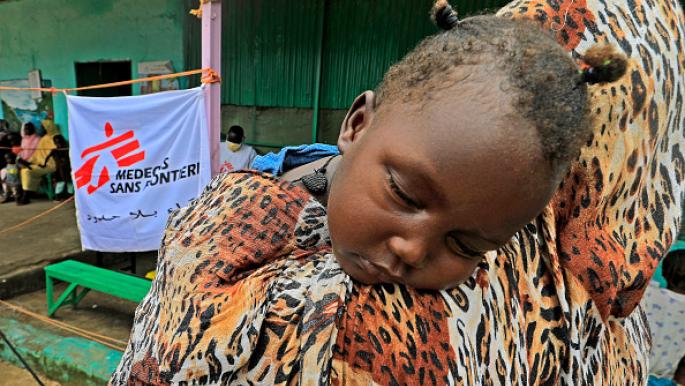
The humanitarian situation in Blue Nile State is deteriorating due to ongoing conflict, with thousands of displaced families facing harsh conditions in camps lacking food and medicine. The conflict, which erupted between the Sudanese Armed Forces and the Rapid Support Forces, has led to a mass displacement of families, exacerbating their suffering amid a lack of humanitarian aid.
Reports indicate that many displaced individuals are suffering from severe shortages of essential food supplies, in addition to the unavailability of necessary healthcare. The camps where these refugees have sought shelter lack the infrastructure needed to meet their basic needs, further worsening their health and psychological conditions.
Details of the Situation
Statistics show that the number of displaced persons in Blue Nile State has exceeded 20,000, with the number of fleeing individuals increasing daily. These displaced persons are living in dire conditions, as the camps lack clean water and sanitary facilities, exposing them to significant health risks.
Humanitarian organizations are striving to provide assistance, but access to affected areas faces major challenges due to ongoing fighting. Additionally, a lack of funding hampers relief efforts, leaving the displaced in a state of despair.
Background & Context
The history of conflict in Sudan dates back many years of political and ethnic strife. Blue Nile State has witnessed ongoing tensions, but the recent conflict that erupted in April 2023 has exacerbated the situation unprecedentedly. The conflict between the Sudanese Armed Forces and the Rapid Support Forces has cast a shadow over the lives of civilians, who have become victims of these struggles.
Historically, Blue Nile State was a resource-rich area, but recurring conflicts have led to a deterioration of economic and social conditions. The displaced individuals today are victims of years of instability, making it difficult for them to return home.
Impact & Consequences
The ramifications of the conflict on the displaced in Blue Nile could be far-reaching. Shortages of food and medicine may lead to the outbreak of diseases, threatening the lives of many. Furthermore, the psychological conditions of the displaced may be significantly affected, leaving negative impacts on the community as a whole.
Politically, the conflict in Blue Nile could affect stability in Sudan overall and may exacerbate situations in other regions. The international community is closely monitoring the situation, but humanitarian interventions require more support and resources.
Regional Significance
The situation in Sudan has direct implications for neighboring countries, as the conflict could lead to an increase in the number of refugees in neighboring nations such as Ethiopia and South Sudan. The humanitarian crises in Sudan may also impact food security in the region, necessitating urgent action from the international community.
In light of these circumstances, Arab countries must adopt effective strategies to support the displaced and provide humanitarian assistance. Regional cooperation could play a significant role in alleviating the suffering of those fleeing from war.