Increasing tensions between the United States and Iran raise questions about the impact of this war on American influence in Asia. In an analysis published by the Sunday Times, Christopher Harding, a professor of Asian history at the University of Edinburgh, noted that this conflict could represent an opportunity for China to strengthen its presence in the region.
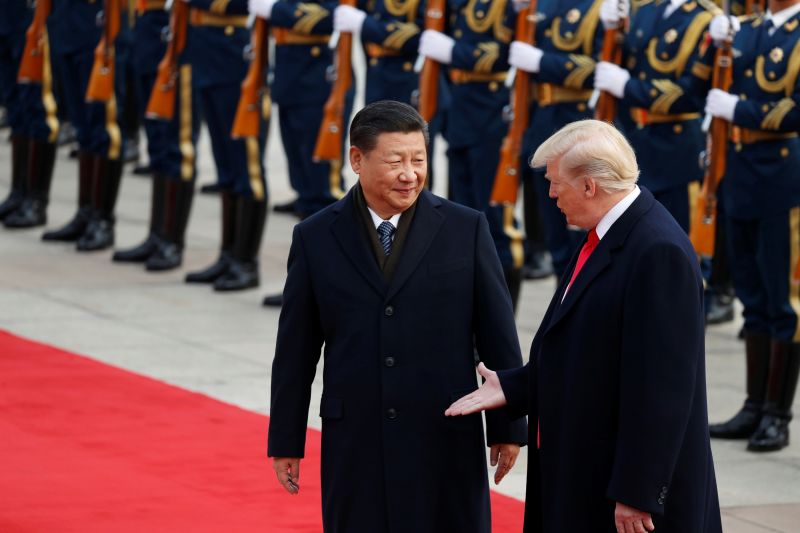
These statements come at a time when China is preparing to welcome President Donald Trump for a much-anticipated visit in mid-May. This visit is considered one of the most awaited diplomatic meetings, where numerous sensitive issues affecting the bilateral relations between the two countries are expected to be discussed.
Details of the Event
The United States, under Trump's administration, is seeking to adopt a tough stance against Iran, which could escalate the conflict in the region. In this atmosphere, American influence in Asia is perceived to be threatened, as China may seize this opportunity to enhance its relationships with neighboring countries.
Moreover, U.S. military movements in the region could provoke reactions from Iran, complicating the situation further. Historically, wars often lead to radical changes in regional power dynamics.
Background & Context
Historically, the United States has been regarded as the dominant power in Asia, but recent geopolitical changes, including China's rise, have begun to alter this landscape. For years, China has been striving to expand its influence through initiatives like the Belt and Road Initiative, aimed at strengthening trade and investment links with Asian countries.
Simultaneously, tensions between the United States and Iran are escalating, potentially leading to unforeseen repercussions on international relations. These dynamics make it essential to closely monitor events, especially with Trump's upcoming visit to China.
Impact & Consequences
If the war against Iran continues, it could lead to a reshaping of alliances in Asia. Neighboring countries may find themselves facing a difficult choice, either supporting the United States or seeking new partnerships with China. This situation could contribute to enhancing Beijing's influence in the region.
Furthermore, any escalation in the conflict could lead to increased military tensions, affecting regional stability and raising risks for the global economy. Under these circumstances, some countries may turn to strengthening their relationships with China as an alternative to American influence.
Regional Significance
For Arab countries, the rising tensions between the United States and Iran could impact their security and economic strategies. Some nations may find themselves compelled to adapt to new shifts in the balance of power, potentially leading to a reassessment of their alliances.
Additionally, any escalation in the conflict could affect oil prices and financial markets, which could negatively impact the economies of Arab nations that heavily rely on oil exports. Therefore, monitoring these developments is crucial.
In light of these changing circumstances, the most pressing question remains: how will these dynamics affect the future of international relations in Asia?