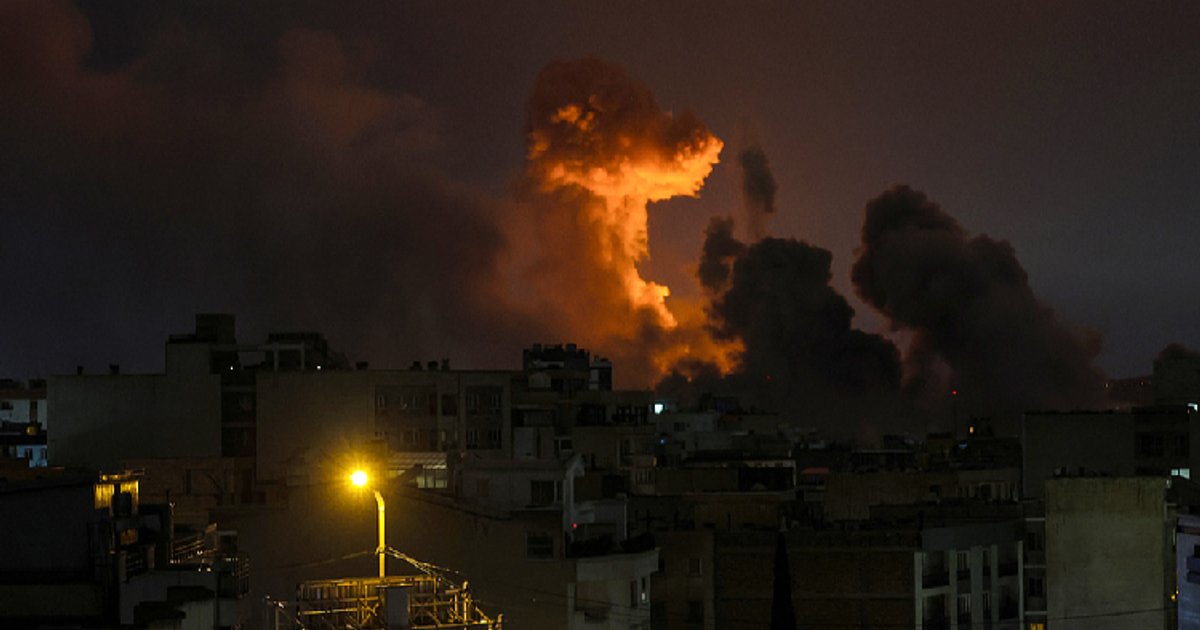
A new report from the United Nations Development Programme indicates that the ongoing military escalation in the Middle East, which has now entered its fifth week, could cost the region's economies between 3.7% and 6% of their GDP, amounting to losses of up to $194 billion. These figures suggest that economic losses may exceed the cumulative growth expected for GDP in 2025.
The report, released on Tuesday, reflects growing concerns about the impact of ongoing conflicts on economic stability in the region. This warning comes at a time when many countries are suffering from the repercussions of political and economic crises exacerbated by military conflicts.
Details of the Situation
Data indicates that the military escalation in the Middle East could lead to a significant deterioration of economic conditions, with reports predicting that losses from the current conflict may surpass the growth achieved in previous years. These losses serve as a warning for the concerned countries to take urgent measures to curb military escalation and work towards achieving stability.
Many economic sectors are affected by these conditions, including tourism, trade, and foreign investment. Additionally, countries reliant on oil exports may face further challenges due to price fluctuations resulting from security instability.
Background & Context
Historically, the Middle East has witnessed numerous military conflicts that have significantly impacted the economies of the involved countries. For instance, previous wars in Iraq and Syria led to the destruction of infrastructure and a decline in investments. These events remind us that security stability is a crucial factor in promoting economic growth.
In recent years, there have been attempts to rebuild the economy in some countries, but the recent military escalation may reverse these efforts. Countries that were on the path to recovery may find themselves forced to confront new challenges as a result of this escalation.
Impact & Consequences
The economic repercussions of this escalation could be far-reaching, potentially leading to increased unemployment rates and a decline in living standards. Moreover, foreign investments may be negatively impacted, resulting in a slowdown of economic growth in the future.
Furthermore, this situation could exacerbate humanitarian crises in the region, where many populations are suffering from shortages of essential resources due to ongoing conflicts. It is vital for the involved countries and the international community to collaborate in finding peaceful solutions that contribute to restoring stability.
Regional Significance
Considering the potential impact on Arab countries, the military escalation in the Middle East may affect economic relations between nations. Countries that rely on trade with those affected by the conflict may face difficulties in securing their supplies.
Economic crises may also lead to increased social and political tensions, further enhancing the state of instability in the region. It is crucial for Arab nations to enhance cooperation among themselves to address these challenges and achieve sustainable development.
The military escalation in the Middle East poses a real threat to economic growth in the region. A swift response from the concerned countries and the international community is required to ensure stability and peace, which will contribute to restoring economic growth and promoting sustainable development.