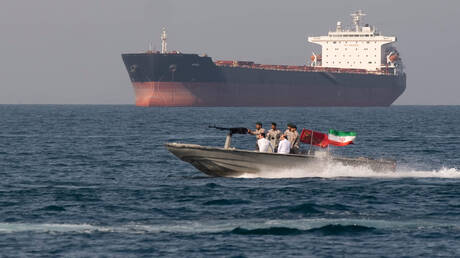
Energy and oil expert Dr. Mamdouh Salama stated that the ongoing tensions in the Strait of Hormuz are not limited to a single threat but encompass multiple risks that directly affect global trade and energy supplies.
The Strait of Hormuz is considered one of the most vital waterways in the world, through which approximately 20% of the total global oil supply passes. This strategic importance makes it susceptible to political and military tensions, negatively impacting the stability of global markets.
Details of the Current Situation
Recently, the Strait of Hormuz has witnessed an escalation of tensions between Iran and Western countries, raising concerns about the safety of commercial vessels. Dr. Salama pointed out that these tensions are not new, but they are noticeably increasing, putting pressure on international trade.
He also emphasized that any military escalation in the region could lead to a significant rise in oil prices, affecting the global economy. Markets have already experienced volatility due to these tensions, making it essential to seek diplomatic solutions to alleviate the crises.
Background & Context
Historically, the Strait of Hormuz has been the scene of numerous conflicts, with tensions between Iran and Western nations persisting for decades. These conflicts often disrupt trade flows, as many vessels have faced attacks or threats, leading to increased shipping insurance costs.
Iran, regarded as the primary power in the region, utilizes the Strait of Hormuz as a means to exert pressure on Western nations, complicating the situation further. These dynamics make achieving long-term stability in the region challenging.
Impact & Consequences
Tensions in the Strait of Hormuz could lead to widespread economic repercussions, potentially affecting global oil prices and increasing shipping costs. This rise in costs will, in turn, impact the prices of goods and services, negatively affecting consumers worldwide.
Moreover, the continuation of these tensions may prompt some countries to reassess their security and economic strategies, potentially leading to changes in global energy alliances.
Regional Significance
For Arab countries, any escalation in the Strait of Hormuz could directly affect their economies, especially those reliant on oil exports. Gulf nations, in particular, may face significant challenges if these tensions persist.
Additionally, the tense security situation in the region could lead to increased investments in defense and security, putting pressure on the national budgets of Arab states.
In conclusion, the situation in the Strait of Hormuz requires urgent international attention, as the rising risks threaten not only global trade but also the stability of the global economy.