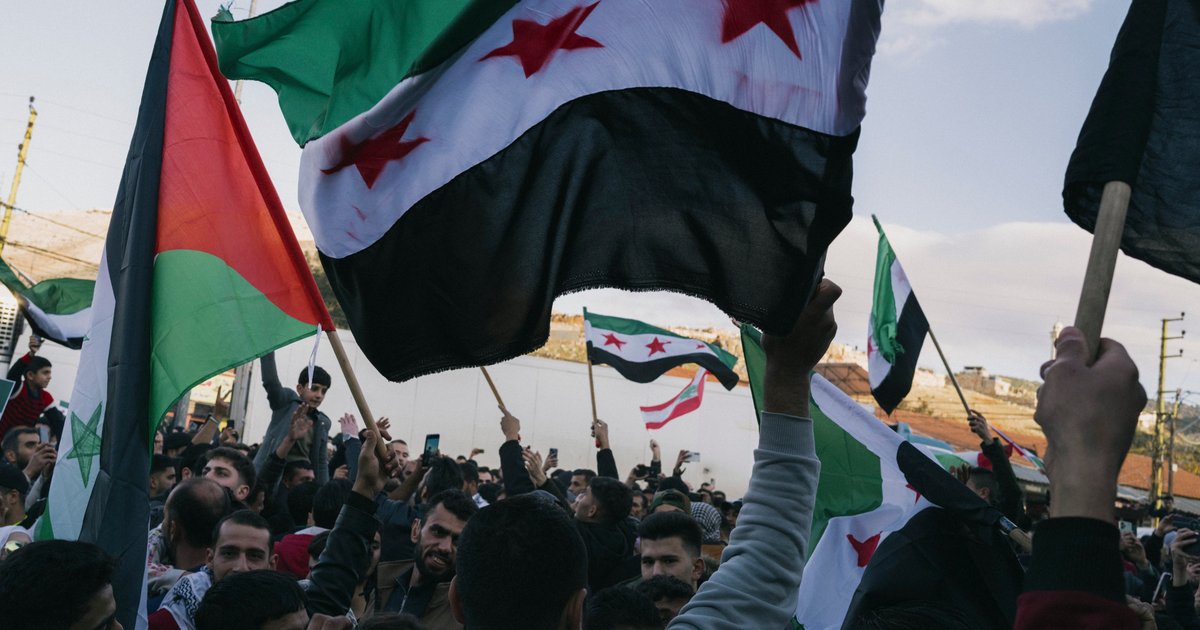
Concerns are rising over the possibility of Syria slipping into a new military conflict amid escalating regional tensions. Reports indicate that the situation in the area may require new interventions that could impact Syria's stability.
As crises intensify in various parts of the world, a pressing question arises regarding Syria's role in these changing dynamics. With conflicts increasing in neighboring countries, Syria has become the focus of regional and international powers, raising fears of being drawn into new conflicts.
Details of the Situation
Reports indicate that there is an increasing military presence in border areas, raising questions about the intentions of the involved parties. With the ongoing conflict in countries like Iraq and Lebanon, Syria appears to be a new arena for settling regional scores.
Furthermore, recent statements from some regional leaders suggest that new strategies may be adopted, complicating the situation in Syria. In this context, fears are growing that Syria could become a battleground for major power rivalries, which could exacerbate the humanitarian and economic conditions in the country.
Background & Context
Since the outbreak of the civil war in Syria in 2011, the country has witnessed a significant deterioration in security and economic conditions. External interventions have complicated the landscape, making Syria a focal point of multi-party conflicts. While the intensity of conflict has decreased in some areas, fears remain about a resurgence of violence.
Historically, Syria has been a center for regional conflicts, witnessing interventions from multiple powers, including the United States, Russia, and Iran. These historical dynamics make Syria a pivotal point in any potential regional conflict.
Impact & Consequences
If Syria is drawn into a new conflict, it will exacerbate humanitarian conditions, as the Syrian people are already suffering from the effects of years of war. Any military escalation could impact international reconstruction efforts and complicate relations between the involved countries.
Moreover, military interventions could escalate tensions between major powers, threatening the stability of the entire region. In this context, the international community must take urgent steps to prevent any potential escalation.
Regional Significance
Syria is a crucial part of the Arab landscape, and any escalation there could affect neighboring countries. Crises in Syria could lead to an influx of refugees into neighboring nations, increasing pressure on those countries.
Additionally, any changes in the Syrian situation could affect political balances in the region, necessitating special attention from Arab countries. Under these circumstances, Arab nations must cooperate more closely to prevent any escalation that could threaten regional stability.
In conclusion, the question remains: Will Syria witness a new conflict? The answer to this question depends on numerous factors, including political and military movements in the region.