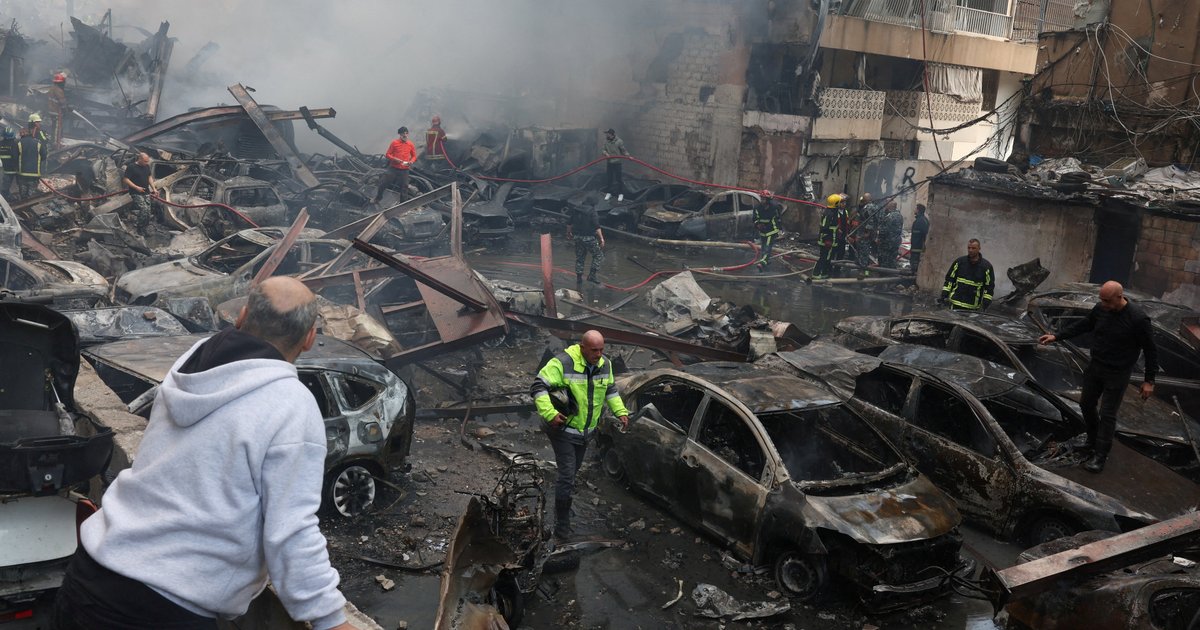
The Lebanese Ministry of Health has confirmed that recent Israeli attacks have resulted in the deaths of 89 people and injuries to over 800 others, marking an escalating military confrontation between the two sides. These attacks targeted residential areas and markets, leading to a significant number of casualties, most of whom are civilians.
The Israeli strikes have intensified amid the ongoing political and economic crises plaguing Lebanon, with military operations particularly focused on border regions. Eyewitnesses described the bombardment as severe, resulting in widespread destruction of infrastructure.
Details of the Attacks
These attacks occur at a sensitive time when Lebanon is grappling with crippling economic challenges. Human rights organizations have called for an immediate cessation of hostilities, warning of dire consequences for civilians caught in the crossfire.
Historically, Lebanese-Israeli relations have been fraught with tension since the conflict that erupted in 2006, exacerbating the humanitarian situation in Lebanon. The current state of affairs reflects a new escalation in these conflicts, as Israeli attacks have notably increased in recent months.
Background & Context
Lebanon is experiencing political instability, characterized by internal divisions and power struggles, making it vulnerable to external interventions. These conditions are exploited by Israeli attacks, further complicating the situation on the ground.
The ongoing strife has led to a humanitarian crisis, with many Lebanese citizens facing shortages of essential resources. The international community's response to the situation remains critical as calls for peace grow louder amid the chaos.
Impact & Consequences
The recent attacks are likely to exacerbate the humanitarian conditions in Lebanon, where the population is already suffering from severe shortages of basic necessities. Additionally, these events may heighten tensions between Lebanon and Israel, threatening to ignite new conflicts in the region.
As the situation unfolds, the potential for further violence looms large, with both sides remaining on high alert. The international community must closely monitor developments to prevent further escalation.
Regional Significance
The implications of these attacks extend beyond Lebanon, affecting regional stability and security. The deteriorating situation calls for urgent attention from global leaders to address the underlying issues fueling the conflict.
In conclusion, the recent Israeli attacks on Lebanon highlight the urgent need for diplomatic efforts to resolve the ongoing tensions and prevent further loss of life. The humanitarian crisis demands immediate action to alleviate the suffering of innocent civilians caught in the conflict.