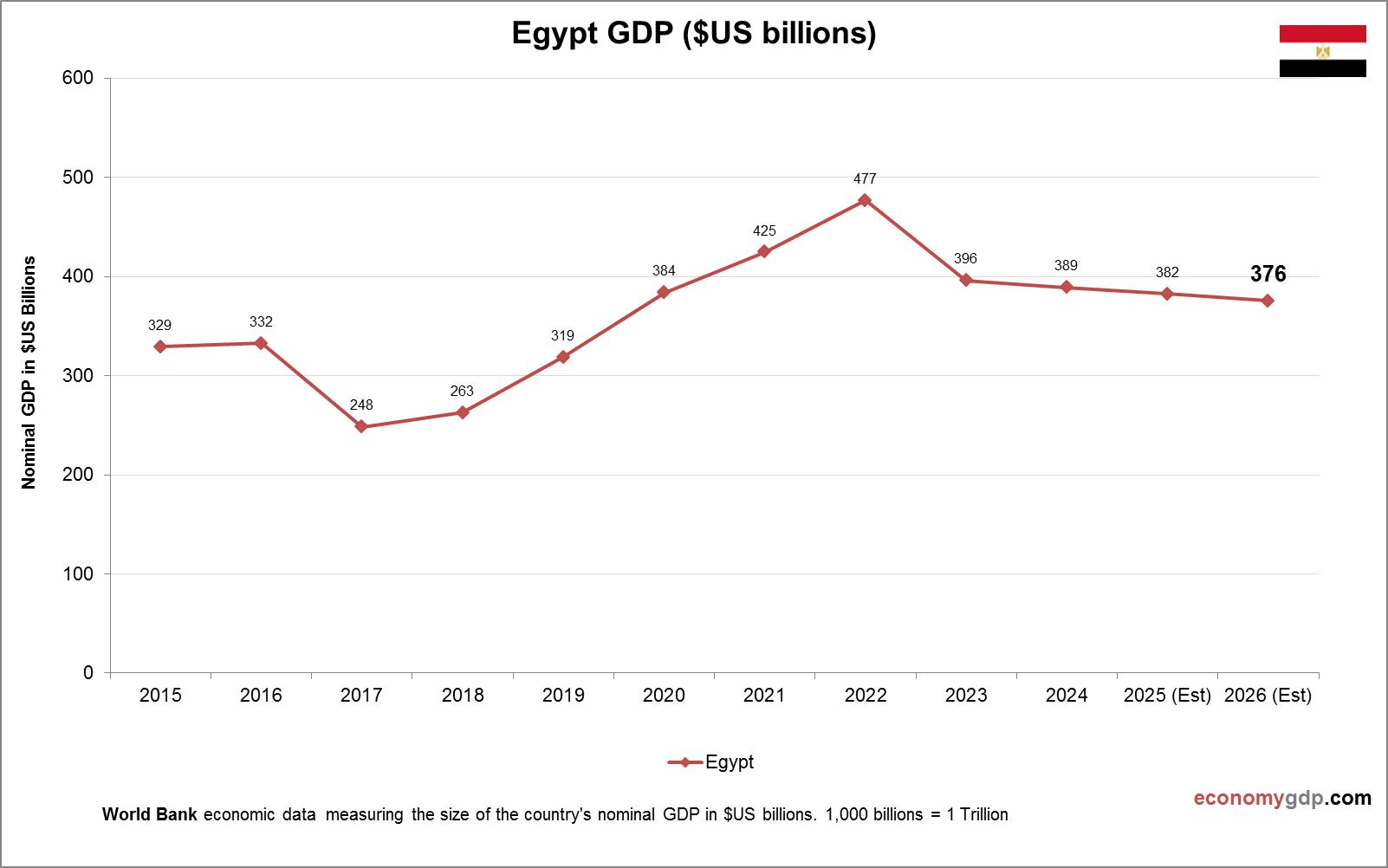
A banking expert has revealed that estimates indicate approximately $9 billion in 'hot money' has exited Egypt since the onset of the war. These figures come at a sensitive time for the Egyptian economy, which is grappling with multiple challenges, raising concerns about the stability of the financial market in the country.
'Hot money' refers to investments that move quickly in and out of financial markets and are often susceptible to political and economic fluctuations. Under the current circumstances, it appears that investors have begun to withdraw their investments significantly, increasing pressure on the Egyptian pound.
Details of the Situation
Concerns are growing regarding the impact of the war on the Egyptian economy, as estimates suggest that the exit of this money could negatively affect the level of liquidity in the market. The expert indicated that this withdrawal could lead to increased volatility in exchange rates, adversely affecting both domestic and foreign investments.
In recent years, Egypt has witnessed significant inflows of hot money, especially following the implementation of an economic reform program that attracted many investors. However, the current geopolitical conditions have prompted many of them to reassess their investments.
Background & Context
Since the beginning of the war, many financial markets around the world have experienced significant fluctuations, impacting investor confidence. Egypt, which heavily relies on foreign investments, faces additional challenges under these conditions. Reports have shown that many other countries have also experienced similar exits of hot money, reflecting a state of global economic uncertainty.
Historically, Egypt has attracted substantial investments due to its strategic location and natural resources. However, recurring political and economic crises have led to a decline in these investments at certain times. Nevertheless, the current situation appears more complex, with local and international factors intertwining more significantly.
Impact & Consequences
Reports predict that the exit of hot money will increase pressure on the Egyptian pound, potentially contributing to rising inflation rates. Additionally, this decline in investments may affect economic growth, as the Egyptian economy heavily relies on foreign direct investments.
This situation may also lead to a decrease in confidence in the Egyptian financial market, which could deter new investors from entering the market. Under these circumstances, it will be essential for the Egyptian government to take effective steps to restore confidence and enhance economic stability.
Regional Significance
These developments are of great importance to the Arab region as a whole, as many countries rely on foreign investments to boost their economic growth. If these trends continue, they may negatively impact economic stability in other countries in the region, increasing uncertainty.
Moreover, economic crises could exacerbate social and political conditions, creating new challenges for Arab countries. Therefore, regional cooperation may be necessary to address these challenges.
In conclusion, the exit of hot money from Egypt since the war began is an indicator of the significant challenges facing the Egyptian economy. The current situation requires a swift and effective response from the government to ensure market stability and restore confidence in the economy.